Mental Health Illness and Neurodivergence Explained
Understanding Mental Health
What is Mental Health?
Mental health is a core part of your overall well-being. It’s not just about the absence of a mental illness; it's about how you feel, think, and handle daily life. Think of it as a foundation that supports everything you do.
Mental health encompasses our emotional, psychological, and social well-being, affecting how we think, feel, and act.
Good mental health helps you:
- Cope with the normal stresses of life
- Be productive at work or school
- Maintain healthy relationships
- Make meaningful contributions to your community
- Make clear-headed decisions
It influences how you see yourself, your life, and the people around you. Just like physical health, mental health isn't static. It can change over time depending on your circumstances.
What Shapes Our Mental Health?
Your mental health is complex and shaped by a mix of different factors. There's rarely a single cause for mental health challenges. Instead, it's usually a combination of things.
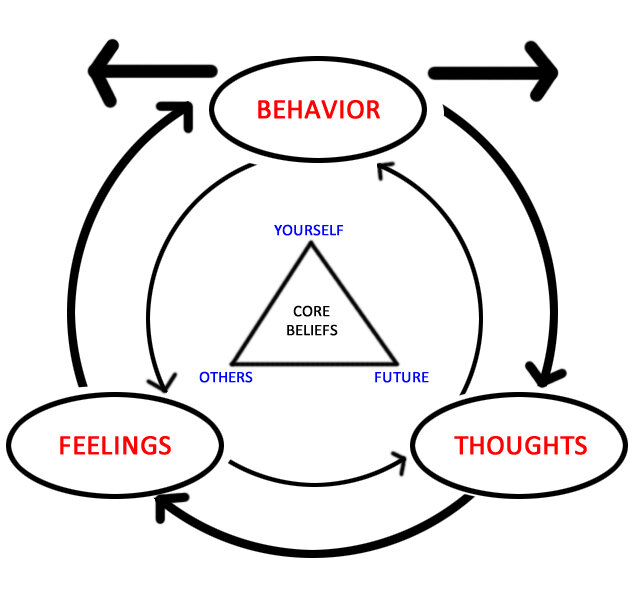
Some of the key influences include:
-
Biological Factors: Your genes and brain chemistry play a significant role. Just as some people are genetically predisposed to certain physical illnesses, the same can be true for mental health.
-
Life Experiences: Events like trauma, abuse, or major life stressors can have a lasting impact. But positive experiences, like having a stable and supportive upbringing, can build resilience.
-
Family History: Having a family member with a mental health problem can sometimes increase the risk, partly due to genetics and partly due to the shared environment.
Why It Matters
Prioritizing mental well-being is essential because it affects every aspect of your existence. It's hard to have a healthy body without a healthy mind. The two are deeply connected. For example, persistent stress can weaken your immune system, while regular exercise is known to boost your mood.
Good mental health isn't a destination, but a continuous process of nurturing your mind.
When you're mentally well, you have the energy to pursue your goals, the resilience to bounce back from setbacks, and the capacity to form strong, supportive relationships. It allows you to enjoy life and appreciate the good moments, even when things are tough.
Nurturing Your Mental Well-being
Just as you'd go to the gym to strengthen your muscles, you can take active steps to support your mental health. Building these habits can make a big difference in your daily life.

Here are a few strategies to focus on:
-
Connect with Others: Humans are social creatures. Building strong relationships with friends and family can provide a sense of belonging and support.
-
Practice Self-Care: This means taking care of your body through good nutrition, regular physical activity, and getting enough sleep. It also means making time for hobbies and activities you enjoy.
-
Develop Coping Skills: Life will always have challenges. Learning healthy ways to manage stress, like mindfulness, meditation, or simply taking a walk in nature, can help you navigate difficult times.
-
Seek Help When You Need It: Talking to a professional is a sign of strength, not weakness. If you're struggling, a therapist or counselor can provide support and teach you new skills to improve your mental well-being.
Ready to check what you've learned about the fundamentals of mental health?
According to the text, good mental health is best described as:
Which of the following is NOT listed as a key category of factors influencing mental health?
Taking care of your mental health is a lifelong journey. By understanding what it is and how to nurture it, you can build a stronger foundation for a happy and fulfilling life.