Mendocino Manufactured Home Installation
Zoning and Use Types
Is Your Land Ready for a Manufactured Home?
Before you can place a manufactured home on a piece of land in Mendocino County, you must first confirm the property's zoning. This legal framework, managed by the county's Planning and Building Services, dictates what can and cannot be built. It's the essential first step in your journey.

Mendocino County is split into two primary zoning jurisdictions: Division I for inland areas and Division II for the coastal zone. Each has its own set of rules that will affect your plans. Generally, a manufactured home is treated the same as a traditional single-family house, but the specific requirements depend heavily on where the property is located.
Inland Zoning Rules
In the inland parts of the county, the rules are governed by Division I of the zoning code. For a parcel to be eligible for a single-family residence, including a manufactured home, it must meet certain criteria. The most important is often the minimum lot size, especially for properties that aren't connected to public water and sewer systems.
If your land will rely on an on-site septic system and a private well, it typically must be at least 40,000 square feet. This is sometimes informally called a "Mendocino Acre." This size ensures there is enough space for the well and septic leach field without creating health or environmental hazards.
A key legal point: any manufactured home must be certified under the National Mobile Home Construction and Safety Standards Act of 1974, also known as the [{
}] . This applies to homes built after June 15, 1976.
This federal standard ensures the home meets requirements for design, construction, strength, durability, and energy efficiency. Homes built before this date are considered 'mobile homes' and face much stricter limitations, often being restricted to mobile home parks.
Coastal Zone Complications
If your property lies within the coastal zone, you'll be working with Division II of the zoning code. These regulations are significantly more complex due to the California Coastal Act, which aims to protect coastal resources. Placing a manufactured home here almost always requires a Coastal Development Permit (CDP).
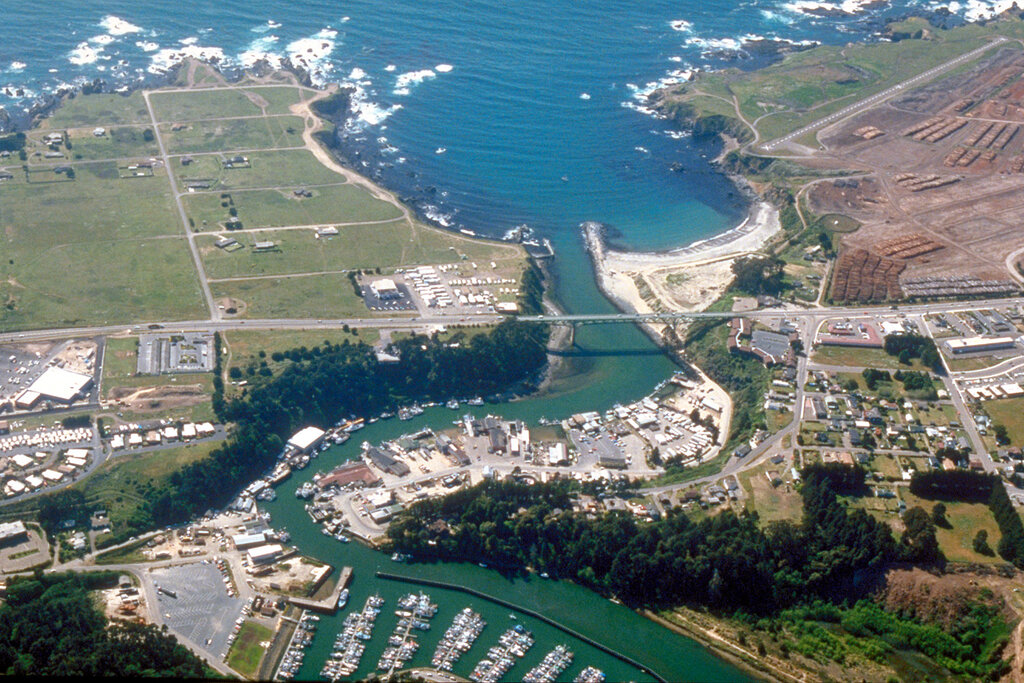
Getting a CDP involves a detailed review process where the county ensures your project is consistent with local coastal plans. This includes evaluating potential impacts on public access, scenic views, and natural habitats. The process can be time-consuming and may add significant costs to your project. The specific use types and density requirements are also stricter in this zone, so careful research with the planning department is critical.
| Feature | Inland Zone (Division I) | Coastal Zone (Division II) |
|---|---|---|
| Governing Code | Mendocino County Code, Division I | Mendocino County Code, Division II & Coastal Act |
| Primary Permit | Building Permit | Coastal Development Permit (CDP) & Building Permit |
| Key Concern | Lot size, septic/well standards | Environmental impact, public access, views |
| Complexity | Moderate | High |
To summarize, the first step is always to identify your property's specific zoning designation. You can find this information on the county's planning website or by contacting the department directly. Knowing whether you're inland or coastal, and what your specific use type is, will define the path forward for your project.
Ready to check your understanding?
What is the crucial first step you must take before placing a manufactured home on a property in Mendocino County?
Mendocino County's zoning code is split into two primary jurisdictions. What are they?
Understanding these zoning basics is the foundation for successfully placing a manufactured home in Mendocino County.