Memory Boosting Snack Strategies
Nutritional Foundations
Fueling Your Brain
Your brain is an incredibly energy-hungry organ. To perform its countless tasks, from regulating your heartbeat to helping you solve a puzzle, it needs the right fuel. That fuel comes from the food you eat, broken down into three main categories of macronutrients: proteins, fats, and carbohydrates.
Think of macronutrients as the primary building materials and energy sources for your body's most complex machine.
Proteins are broken down into amino acids, which are the essential building blocks for neurotransmitters. These chemicals, like serotonin and dopamine, are how your brain cells communicate with each other, influencing everything from mood to focus.
Carbohydrates are the brain's preferred energy source. They're converted into glucose, which brain cells use to power their activity. A steady supply of complex carbohydrates provides sustained energy, avoiding the sharp peaks and crashes that can leave you feeling foggy.
Fats are also vital. The brain itself is nearly 60% fat. Healthy fats are a major component of the membranes that enclose every single brain cell, ensuring they remain flexible and can send messages efficiently.
The Power of Healthy Fats
Not all fats are created equal when it comes to brain health. Omega-3 fatty acids are a type of polyunsaturated fat that the body can't make on its own, so we must get them from our diet. They are critical for building brain and nerve cells.
Two of the most important omega-3s are DHA (docosahexaenoic acid) and EPA (eicosapentaenoic acid). DHA is a primary structural component of the cerebral cortex, the part of the brain responsible for memory, language, and attention. It helps keep cell membranes fluid, allowing for rapid communication between neurons. EPA has anti-inflammatory effects, which can help protect brain cells from damage and stress.
Healthy fats, including omega-3 fats and monounsaturated fats, can help support brain health.
Think of a neuron's membrane like a gatekeeper. A membrane rich in DHA is flexible and efficient, allowing messages to pass through quickly. A membrane lacking these healthy fats becomes more rigid, slowing down communication and impairing cognitive function.
The Brain's Support Crew
While macronutrients provide the big building blocks, micronutrients—vitamins and minerals—are the essential support crew. They work behind the scenes in tiny amounts to facilitate critical brain processes.
Antioxidant
noun
A substance that inhibits oxidation, especially one used to counteract the deterioration of stored food products or remove potentially damaging oxidizing agents in a living organism.
The brain's high metabolic rate produces byproducts called free radicals, which can cause damage to cells through a process called oxidative stress. It’s like a form of cellular rust. Antioxidants, like vitamins C and E, neutralize these free radicals, protecting brain cells and preserving their function.
B vitamins are another crucial group. They play a key role in converting food into energy for brain cells and are involved in producing neurotransmitters. Vitamins B6, B9 (folate), and B12 are particularly important for memory. They help break down homocysteine, an amino acid that, in high levels, is associated with cognitive decline and an increased risk of dementia.
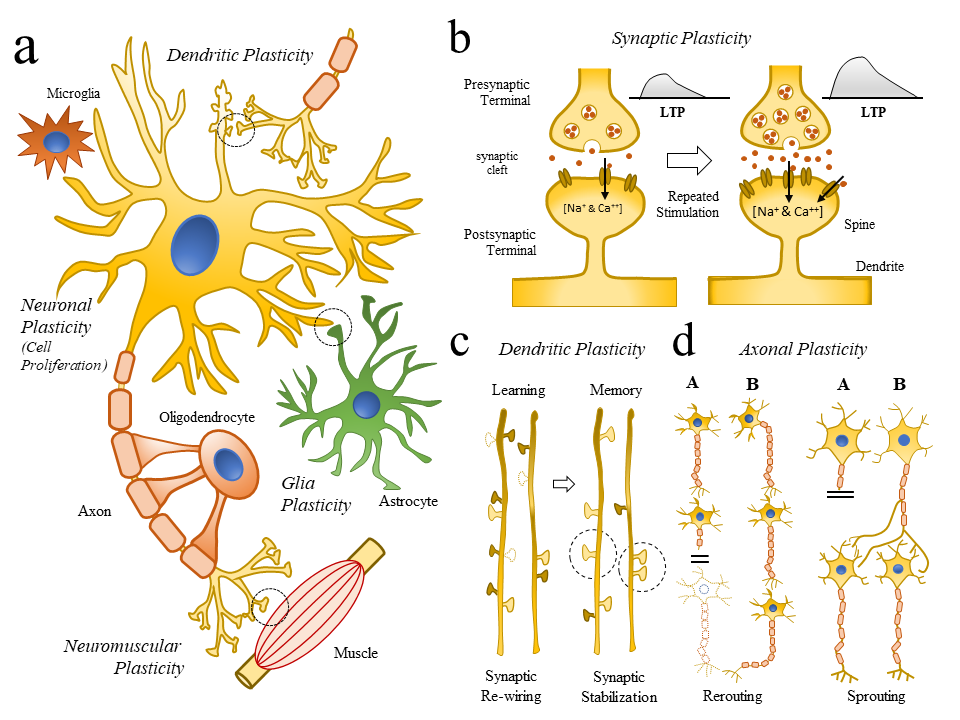
Certain minerals also have starring roles. Magnesium is essential for nerve signal transmission and neuroplasticity—the brain’s ability to form and reorganize synaptic connections. It acts as a gatekeeper for key receptors involved in learning and memory.
Zinc is highly concentrated in the hippocampus, the brain's memory center. It plays a vital part in neuronal communication and helps regulate how neurons talk to one another, impacting memory formation and recall.
Now, let's test what you've learned about the building blocks of brain health.
What is the brain's preferred source of energy?
Amino acids, which are the building blocks of proteins, are essential for creating which important brain chemicals?
Understanding these nutritional foundations is the first step toward choosing foods that can actively support and enhance your cognitive function.