Meme Culture and Digital Communication
Introduction to Memes
What is a Meme?
The word "meme" might make you think of a funny picture with a caption, but the original idea is much broader. Biologist Richard Dawkins coined the term in his 1976 book, The Selfish Gene. He needed a word for a unit of cultural inheritance, something that spreads from person to person within a culture, much like a gene carries biological information from parent to child.
Meme
noun
An element of a culture or system of behavior that may be considered to be passed from one individual to another by non-genetic means, especially imitation.
Dawkins thought of memes as cultural replicators. They can be tunes, ideas, catchphrases, clothing fashions, or ways of making things. A simple melody that gets stuck in your head and you hum it to others? That's a meme. A story passed down through generations? That's a meme, too. The core idea is that these cultural units compete, mutate, and evolve in a way that's similar to biological evolution.
Just as genes propagate themselves in the gene pool by leaping from body to body, memes propagate themselves in the meme pool by leaping from brain to brain.
From Genes to JPEGs
The internet was the perfect environment for memes to flourish in a new, supercharged way. Digital communication allows ideas to be copied and shared with millions of people almost instantly. What was once a slow spread of cultural ideas through word-of-mouth became a rapid-fire exchange of digital content.
The first internet memes were simple: bits of text, short animations, and eventually, captioned images known as "image macros." The format was easy to understand and, more importantly, easy to change. Users could take a popular image and add their own text, creating endless variations on a single theme. This adaptability is a key reason for their success.
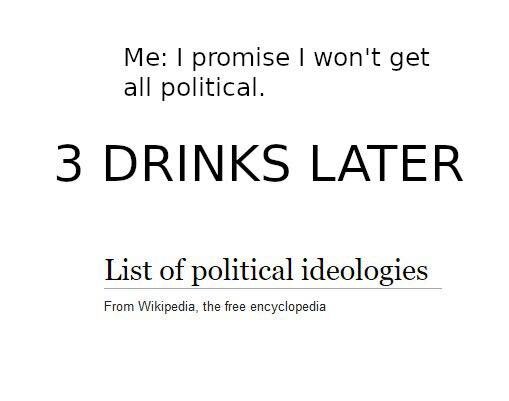
Over time, memes evolved beyond static pictures. They now come in all forms: GIFs, short videos, viral challenges, and self-referential jokes that only make sense if you've been following the conversation online. This rapid evolution shows how digital culture constantly builds upon itself, creating a shared language for those who are part of it.
Shaping the Conversation
Memes are more than just jokes; they're a fundamental part of modern communication. They can distill a complex political idea or a shared social frustration into a single, digestible image. This makes them incredibly powerful tools for shaping online discourse.
By sharing a meme, you’re not just sending a picture. You're signaling that you belong to a certain group, that you understand the reference, and that you share a particular point of view. They create an instant sense of community and inside knowledge. This ability to quickly convey complex social and cultural information is why memes have become so ingrained in our digital lives.
From their origins as a concept in evolutionary biology to their current status as a dominant force in online culture, memes have proven to be a powerful and persistent form of communication.
Who first proposed the concept of a "meme" as a unit of cultural transmission?
According to the original definition, which of the following would be considered a meme?