Mediterranean Nutrition Fundamentals
Introduction to Nutrition
The Fuel for Your Body
Nutrition is the process of providing or obtaining the food necessary for health and growth. Think of your body as a high-performance car. Just as a car needs the right kind of fuel to run efficiently, your body needs the right nutrients from food to function properly, grow, and repair itself.
Every action you take, from breathing to running a marathon, requires energy and materials that come from what you eat and drink. Good nutrition isn't about restrictive diets; it's about understanding what your body needs and giving it a balanced supply of those essentials.
Macronutrients are the primary food groups—carbs, fats, and protein—while micronutrients are the vitamins and minerals found in fruits, vegetables, and water, such as calcium, folate, iron, vitamin B-6, vitamin B-12, vitamin C, vitamin E, and zinc.
The Big Three: Macronutrients
Macronutrients are the nutrients your body needs in large amounts to provide energy. They are the main building blocks of your diet and fall into three categories: carbohydrates, proteins, and fats.
Carbohydrate
noun
Any of a large group of organic compounds occurring in foods and living tissues, including sugars, starch, and cellulose. They can be broken down to release energy in the animal body.
Carbohydrates are the body's primary source of fuel. When you eat carbs, your body breaks them down into glucose (sugar), which enters your bloodstream and provides immediate energy for your cells, tissues, and organs. Your brain, in particular, relies almost exclusively on glucose to function. Foods like bread, pasta, rice, fruits, and vegetables are rich in carbohydrates.
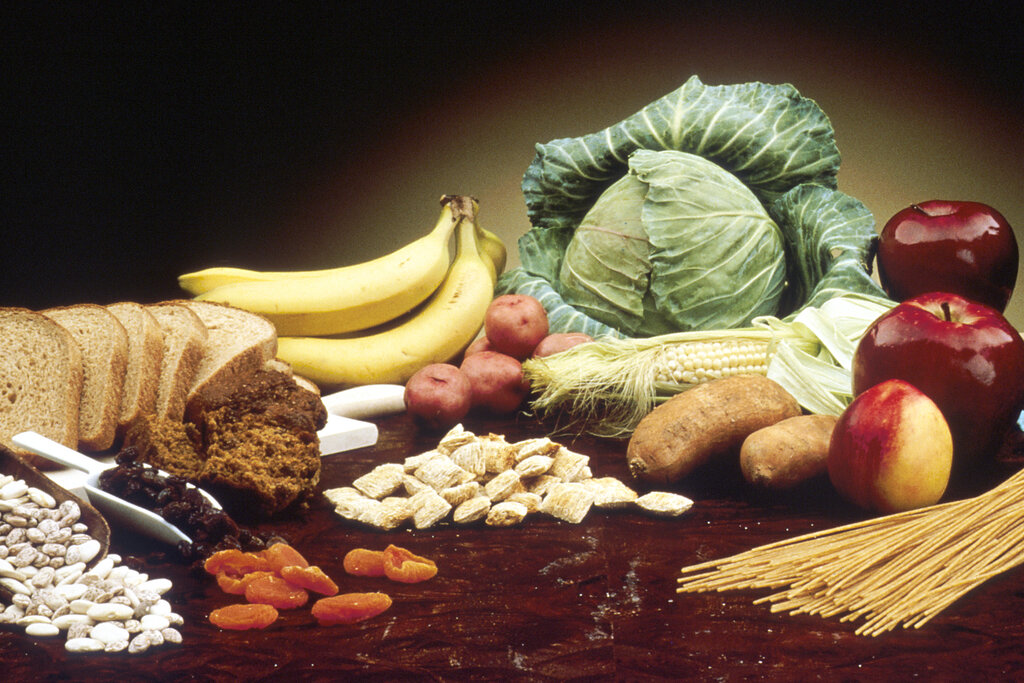
Proteins are fundamental to building and repairing tissues. Every cell in your body contains protein, which is used to make enzymes, hormones, and other body chemicals. It is an essential building block of bones, muscles, cartilage, skin, and blood. Good sources include meat, fish, eggs, dairy products, beans, and nuts.
Fats often get a bad reputation, but they are a crucial part of a healthy diet. They provide a major source of energy, help you absorb certain vitamins and minerals, are essential for building cell membranes, and are vital for blood clotting and muscle movement. Healthy fats are found in foods like avocados, nuts, seeds, and olive oil.
| Macronutrient | Primary Role | Common Food Sources |
|---|---|---|
| Carbohydrates | Main energy source | Bread, pasta, rice, fruits, vegetables |
| Proteins | Build and repair tissue | Meat, fish, eggs, beans, nuts, dairy |
| Fats | Energy storage, absorption | Avocados, olive oil, nuts, seeds, fatty fish |
The Supporting Cast: Micronutrients
While you need macronutrients in large quantities, you need micronutrients in smaller amounts. Despite the smaller requirement, they are just as vital for your health. Micronutrients are the vitamins and minerals that enable the body to produce enzymes, hormones, and other substances essential for proper growth and development.
Think of micronutrients as the spark plugs of your body. You don't need a lot of them, but without them, the engine won't run properly.
Vitamins are organic compounds that are necessary for a wide range of metabolic processes. For example, Vitamin C is crucial for your immune system, while the B vitamins help you get energy from the food you eat. Your body can't produce most vitamins on its own, so you must get them from your diet.
Minerals are inorganic elements that also play a huge role in your health. Calcium helps build strong bones and teeth, iron is essential for carrying oxygen in your blood, and potassium helps maintain a healthy blood pressure. A balanced diet full of fruits, vegetables, and whole foods is the best way to ensure you get a sufficient supply of these essential helpers.

Let's check your understanding of these nutritional building blocks.
What are the three types of macronutrients your body needs in large amounts?
Which macronutrient is the body's primary and most readily available source of fuel, especially for the brain?
Understanding these core components of nutrition is the first step toward making informed choices about the food you eat every day.