Meditation for Mental Clarity and Focus
Introduction to Meditation
What Is Meditation?
Meditation is a practice for training your attention and awareness. The goal isn't to stop thinking or empty your mind. Instead, it's about learning to observe your thoughts and feelings without getting caught up in them. Think of it as a workout for your brain.
Meditation
noun
A practice where an individual uses a technique, such as mindfulness or focusing the mind on a particular object, thought, or activity, to train attention and awareness, and achieve a mentally clear and emotionally calm and stable state.
By practicing regularly, you can develop a greater sense of calm, improve your focus, and feel more rested. It’s a way to step back from the constant rush of daily life and connect with yourself, even if just for a few minutes.
When we meditate, we inject far-reaching and long-lasting benefits into our lives: We lower our stress levels, we get to know our pain, we connect better, we improve our focus, and we’re kinder to ourselves.
Three Ways to Begin
There are many different styles of meditation. For beginners, it's helpful to start with simple, accessible techniques. Let's explore three popular methods: mindfulness meditation, breath awareness, and guided visualization.
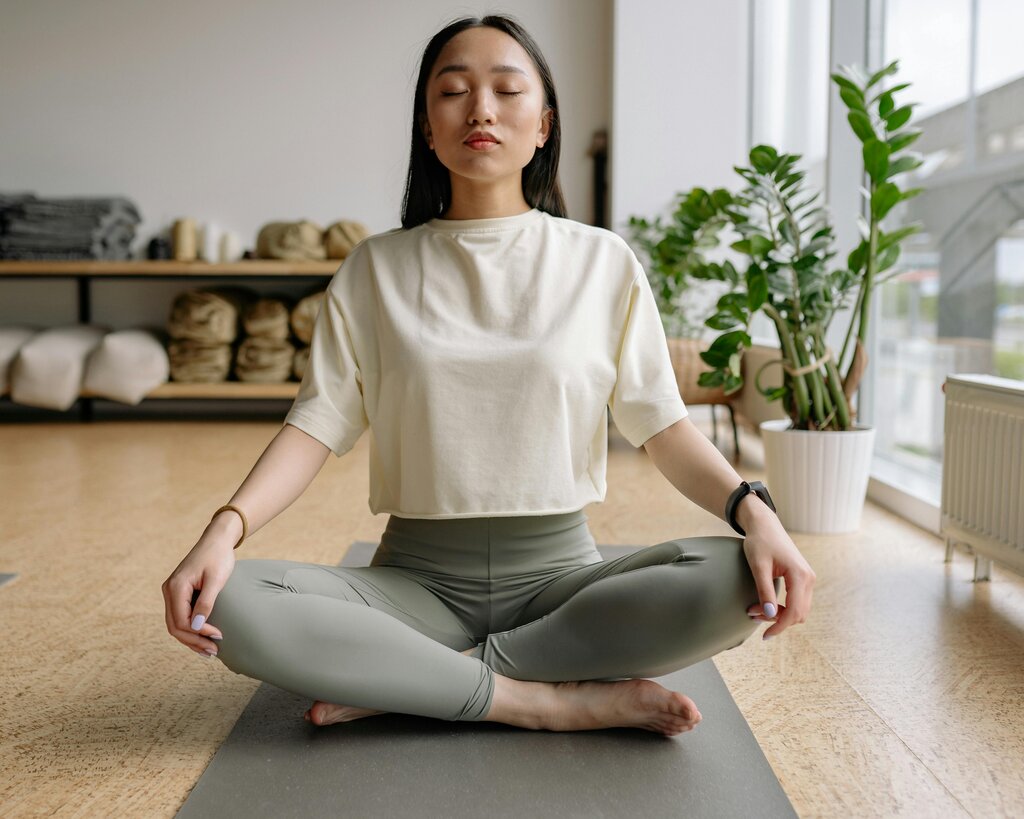
Mindfulness meditation is the practice of paying attention to the present moment on purpose, without judgment. This means noticing your thoughts, physical sensations, and the environment around you as they are. You don't try to change anything; you just observe.
Imagine you're sitting by a river, watching leaves float by. The leaves are your thoughts. You just watch them come and go without jumping into the water to grab them. That's mindfulness in a nutshell.
The goal is to be an impartial witness to your own experience.
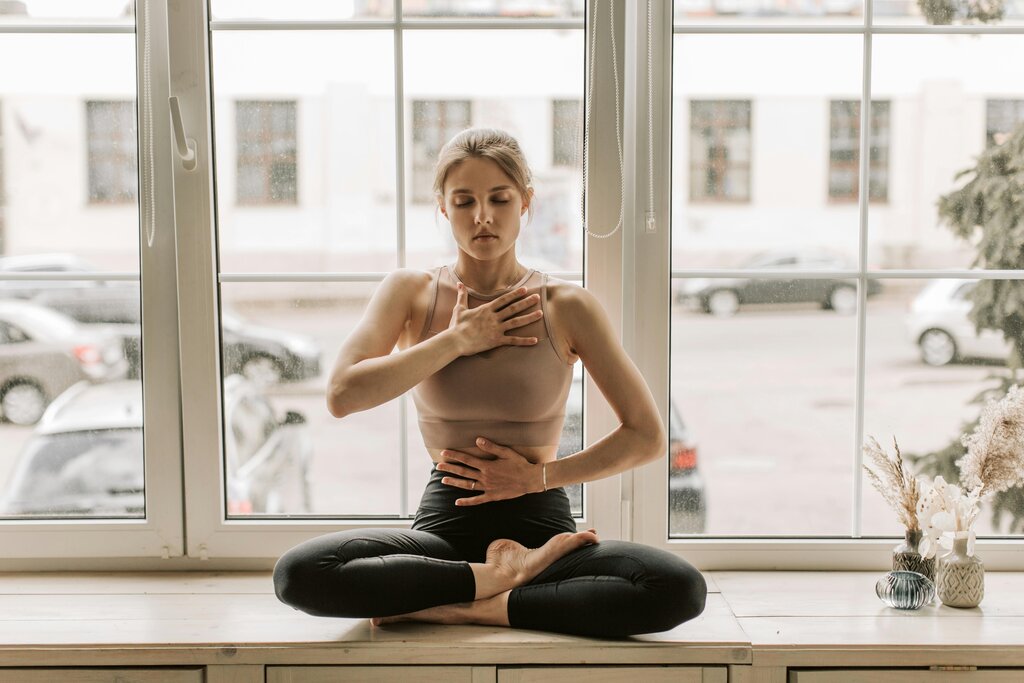
A second technique, and one of the most common starting points, is breath awareness. Your breath is always with you, making it a reliable anchor for your attention. The practice is simple: you just focus on the physical sensation of breathing.
Here’s how you can do it:
- Find a comfortable position, either sitting or lying down.
- Gently close your eyes.
- Bring your attention to your breath. Feel the air move in through your nose and out through your mouth or nose.
- Notice the rise and fall of your chest or belly.
- When your mind wanders (which it will), gently guide your focus back to your breath. Don't get frustrated; just return your attention, again and again.
Finally, there's guided visualization. This technique uses the power of your imagination to create a sense of calm and relaxation. Instead of focusing on your breath, you listen to a narrator who guides you through a peaceful scene or story.
You might be asked to imagine yourself walking on a quiet beach, feeling the warm sand and hearing the gentle waves. These mental images can help quiet a busy mind and evoke feelings of tranquility. You can find thousands of free guided visualizations online, with different themes and lengths to suit your needs.
Let's test what you've learned about these foundational techniques.
What is the primary goal of meditation as described in the text?
The analogy of watching leaves float down a river is used to describe which meditation technique?