Meditation and Your Amazing Brain
Introduction to Meditation
What is Meditation?
At its core, meditation is a practice for training your attention and awareness. It's a way to become more familiar with your own mind, observing your thoughts and feelings without getting carried away by them. The goal isn't to stop thinking or empty your mind, but rather to change your relationship with your thoughts.
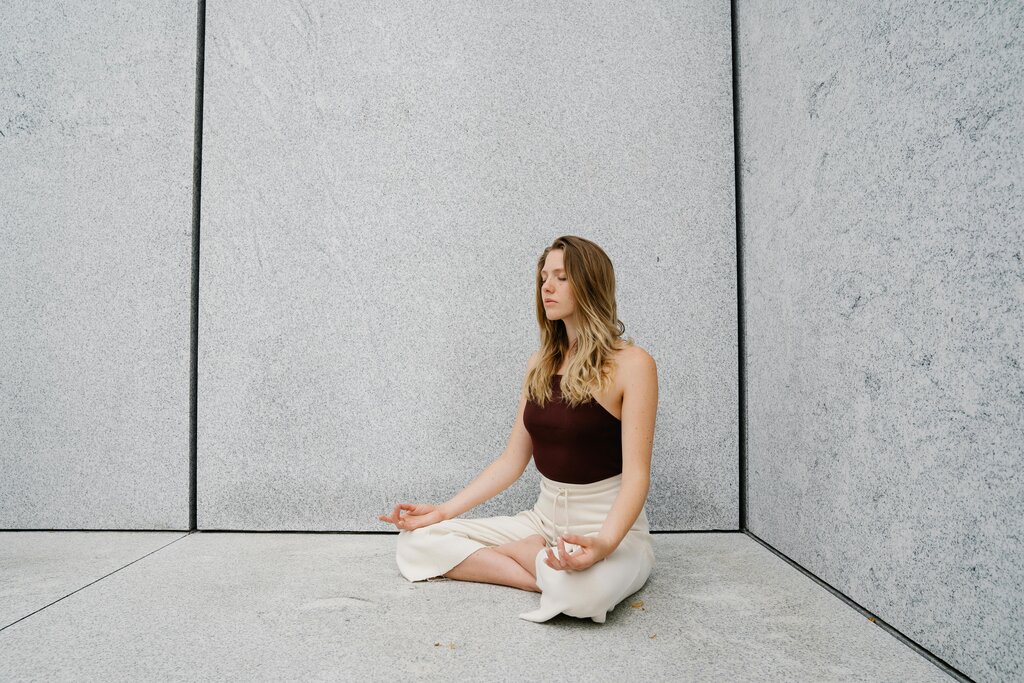
While meditation originated thousands of years ago in spiritual contexts, it's now widely practiced for secular reasons like reducing stress, improving focus, and promoting emotional well-being. Think of it as exercise for your brain. Just as you lift weights to strengthen your muscles, you meditate to strengthen your attentional and emotional regulation skills.
Common Paths to Stillness
Meditation isn't a one-size-fits-all practice. There are many different techniques, but most fall into a few main categories. Let's look at three of the most common types.
Focused Attention Meditation Imagine your attention is like a flashlight. In this type of meditation, you direct that flashlight onto a single point of focus, often your breath. You might notice the sensation of air entering your nostrils or the rise and fall of your belly. Your mind will inevitably wander—that's what minds do. The practice is simply noticing that your attention has drifted and gently guiding it back to your breath, over and over again. Each return is like a rep at the gym for your focus muscle.
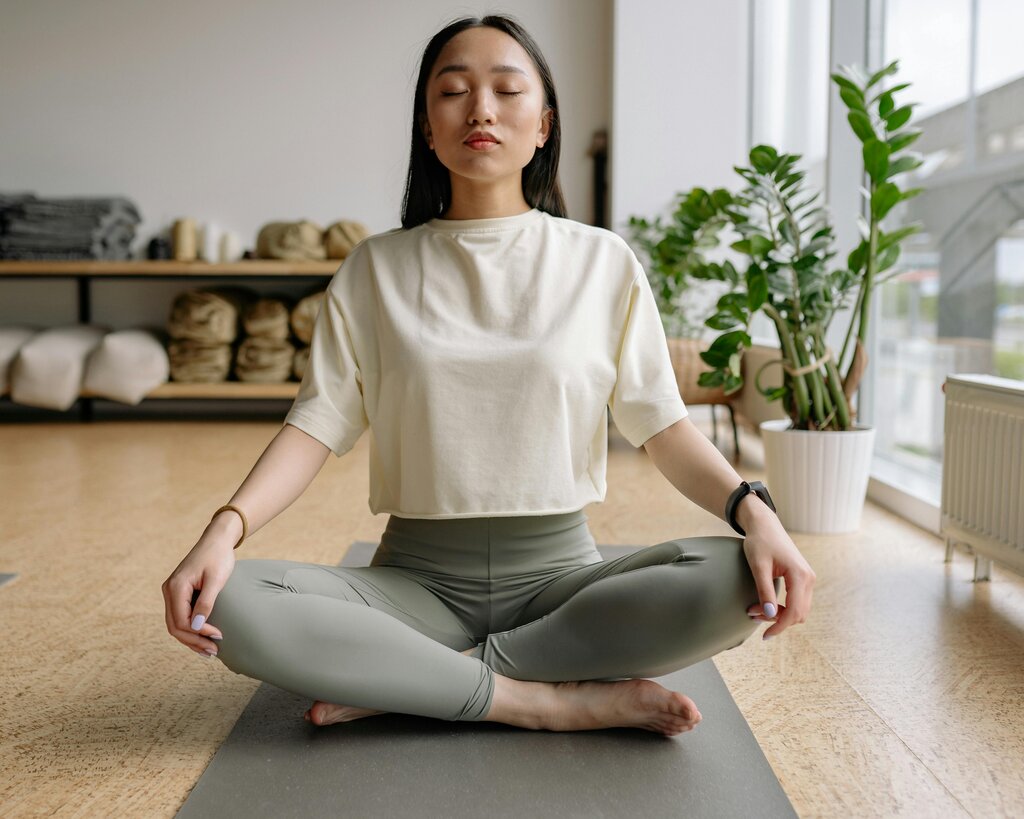
Open Monitoring Meditation If focused attention is a flashlight, open monitoring is like a floodlight. Instead of narrowing your focus to one object, you open your awareness to whatever comes into your experience from moment to moment. This could be a thought, an emotion, a sound in the room, or a physical sensation. The key is to observe these experiences without judgment or attachment, simply letting them arise and pass away.
Loving-Kindness Meditation This practice is focused on cultivating feelings of warmth, kindness, and compassion. You typically begin by directing these positive feelings toward yourself, often by repeating silent phrases like, "May I be happy. May I be healthy. May I be safe." Then, you gradually extend these wishes to others: first to loved ones, then to neutral people, and eventually to those you find difficult. The goal is to develop a sense of goodwill toward all beings, including yourself.
The Core Principles
Regardless of the specific technique, most meditation practices are built on a few fundamental principles. Understanding these can help you get the most out of your practice.
| Principle | Description |
|---|---|
| Intention | Why are you sitting down to meditate? Your reason might be to calm down, to understand yourself better, or simply to be present. Setting a clear intention can help anchor your practice. |
| Attention | This is the active part of meditation, where you purposefully direct your focus. Whether it's on the breath or on your inner state, attention is the tool you're training. |
| Attitude | How you relate to your experience is crucial. The ideal attitude is one of non-judgment, patience, and curiosity. When your mind wanders, you don't scold yourself; you gently guide it back. This cultivates a kind and accepting relationship with your own mind. |
When we meditate, we inject far-reaching and long-lasting benefits into our lives: We lower our stress levels, we get to know our pain, we connect better, we improve our focus, and we’re kinder to ourselves.
These foundational practices and principles are the starting point for understanding how meditation can reshape our inner world. Let's review the key types of meditation before moving on.
Ready to check your understanding?
What is the primary goal of meditation as described in the text?
The text compares meditation to exercise for the brain. What specific skills are being strengthened?
With this foundation in place, we're ready to explore how these mental exercises can lead to tangible changes in the brain.