Medical Virtual Assistance Explained
Introduction to Medical Virtual Assistance
What Is a Medical Virtual Assistant?
A medical virtual assistant, or MVA, is a healthcare professional who provides support to clinics, hospitals, and practitioners from a remote location. Think of them as a key part of the medical team who just happens to work through a screen instead of down the hall.
The core idea is simple: use technology to bridge distance and provide essential healthcare support, wherever it's needed.
Their scope of work is broad. On one end, they handle administrative duties like scheduling appointments, managing billing, and answering patient emails. On the other, they can take on more clinical-support roles, such as updating electronic health records, transcribing doctors' notes, or managing prescription refills. They are the versatile, behind-the-scenes professionals who help keep a modern medical practice running smoothly.
virtual assistant
noun
A remote worker who provides administrative, technical, or creative support to clients.
A Brief History
The concept of remote healthcare isn't new. It began decades ago with the rise of telemedicine, which used telephone and radio to connect doctors with patients in rural or hard-to-reach areas. For years, this was the extent of virtual care.
The internet changed everything. As connections became faster and more reliable, the possibilities expanded. The most significant leap forward was the development of Electronic Health Records (EHRs). Suddenly, a patient's entire medical history could be digitized and accessed securely from anywhere in the world. This laid the groundwork for a new kind of remote work in healthcare.
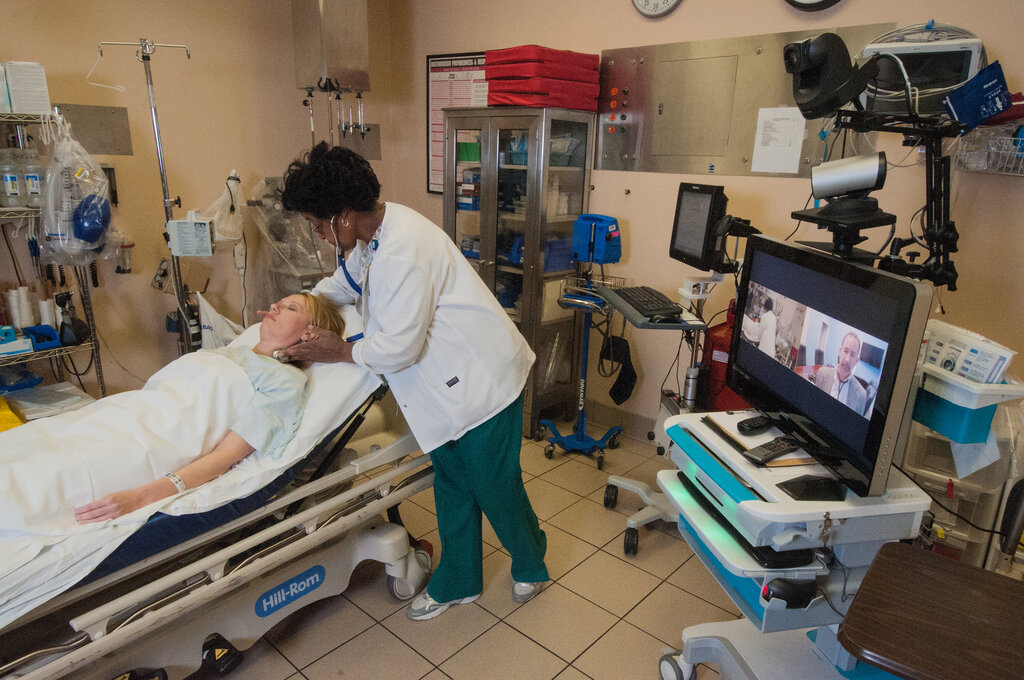
With EHRs in place, the need for professionals who could manage this digital information grew. Early medical virtual assistants were often transcriptionists or schedulers. But as technology became more sophisticated, so did their roles. The rise of secure video conferencing, cloud computing, and AI-powered tools transformed the MVA from a simple remote helper into an integral part of the clinical team.
The Technology Behind the Screen
Several key technologies work together to make medical virtual assistance possible. High-speed internet is the obvious foundation, but the ecosystem is much richer than that.
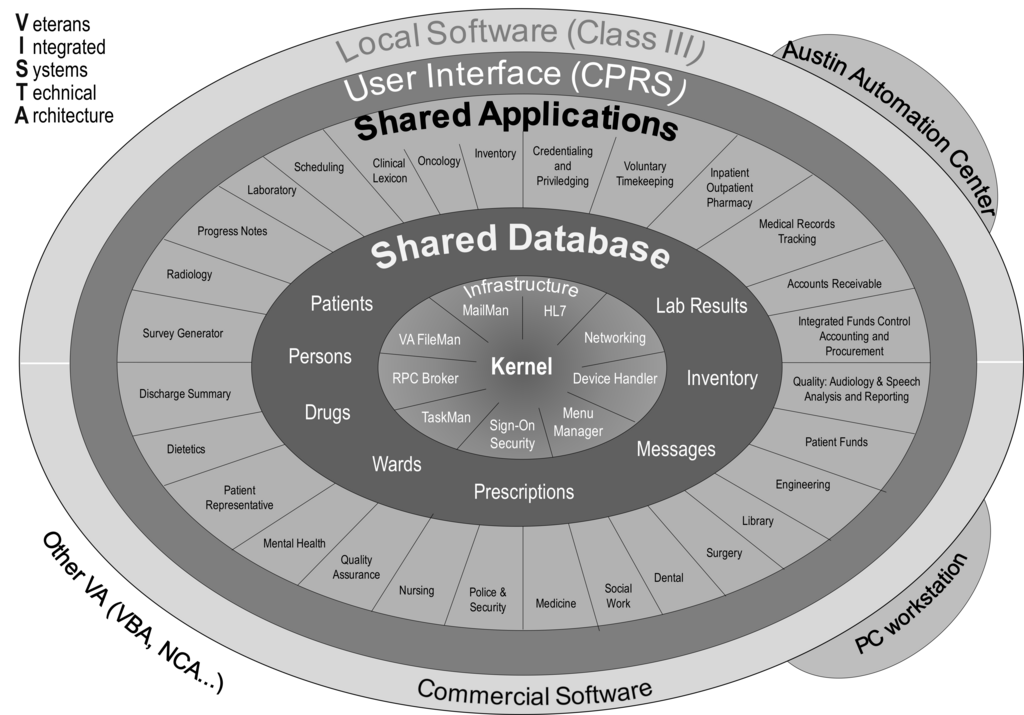
Electronic Health Records (EHRs) are the digital backbone. These systems consolidate all patient information into a single, secure file, allowing authorized personnel like MVAs to access and update records in real-time.
Communication platforms are also critical. Secure, HIPAA-compliant software for video calls, messaging, and email ensures that patient privacy is protected while allowing seamless collaboration between remote assistants and in-person staff. Think of tools like Zoom or Microsoft Teams, but with extra layers of security for healthcare.
More recently, Artificial Intelligence (AI) and Natural Language Processing (NLP) have started playing a larger role. These technologies can automate routine tasks, like transcribing a doctor's spoken notes into text or even helping to summarize long patient histories. This frees up MVAs to focus on more complex tasks that require a human touch.
Virtual personal assistants like Siri, Alexa, and Google Assistant are AI-based technologies that use natural language processing (NLP) to interact with users.
The use of these tools has skyrocketed. The demand for flexible, efficient healthcare support has pushed medical virtual assistance from a niche service to a mainstream component of the industry. Healthcare providers are increasingly recognizing the value of a distributed team to manage workloads and improve patient access to care.
What is the primary role of a Medical Virtual Assistant (MVA)?
Which technological development was most crucial for enabling the modern MVA role by digitizing and centralizing patient information?
This new model of healthcare support is built on a solid foundation of technological progress and a growing need for efficiency and flexibility.