Medical Mycology and Antifungal Frontiers
Introduction to Medical Mycology
The World of Medical Mycology
Medical mycology is the study of fungi that cause diseases in humans. While the vast majority of fungi are harmless decomposers essential to our ecosystem, a small fraction can act as pathogens. These disease-causing fungi are the focus of this field, which explores how they infect us, how our bodies fight back, and how we can treat the infections they cause.
Fungal infections, also known as mycoses, can range from common, superficial annoyances like athlete's foot to life-threatening systemic diseases that invade vital organs. Understanding the basics of these organisms is the first step in learning how to combat them.
Classifying Fungi
In medicine, fungi are often grouped based on their physical structure, or morphology. The three main forms are yeasts, molds, and dimorphic fungi.
Yeast
noun
A single-celled fungus that typically reproduces asexually by budding, where a new cell grows out from the parent cell.
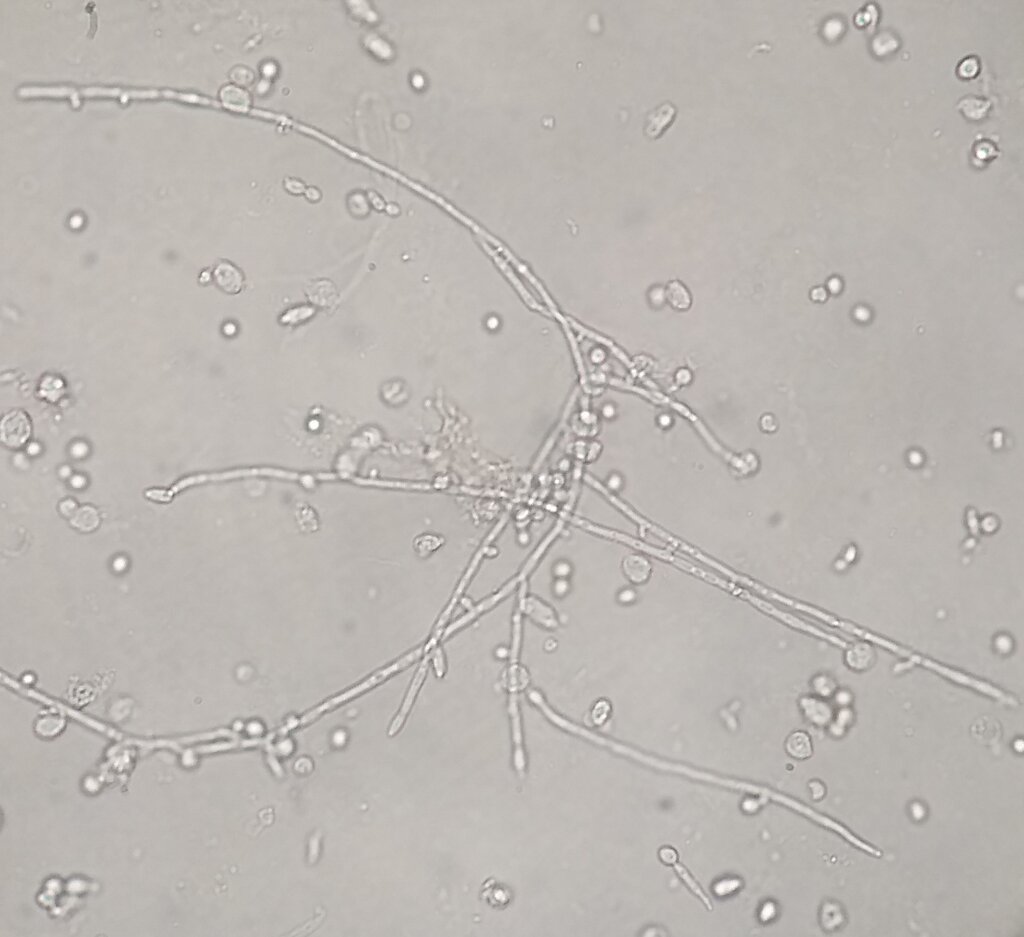
Yeasts are microscopic, oval-shaped organisms. Under a microscope, they might appear as individual cells or small chains when a new bud, called a daughter cell, hasn't fully detached from the parent.
Mold
noun
A multicellular fungus that grows in the form of filaments called hyphae.
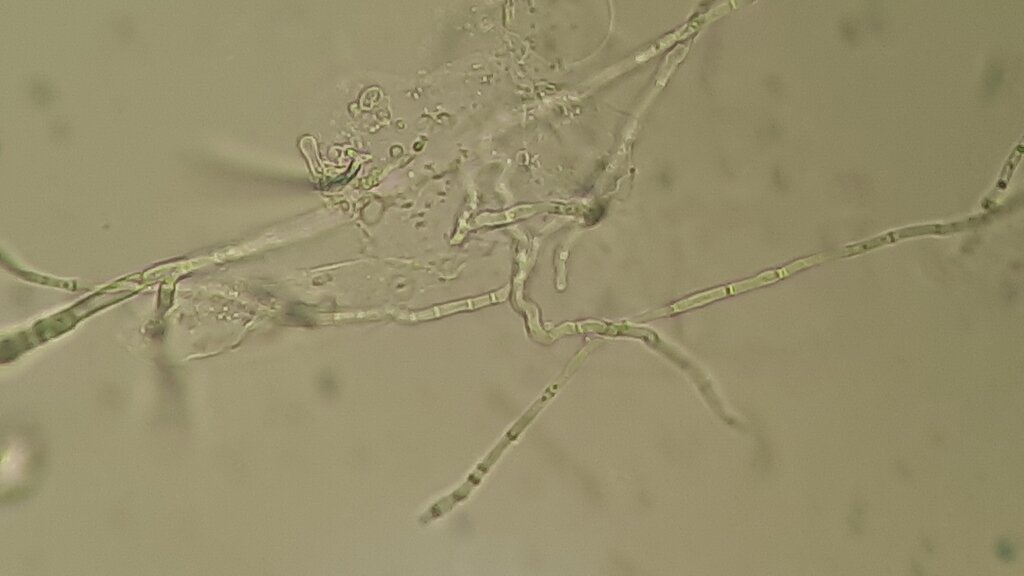
Unlike single-celled yeasts, molds form complex, thread-like networks. A single thread is called a hypha, and a mass of these hyphae is called a mycelium. This is the fuzzy growth you might see on old food. In a clinical setting, identifying these branching structures in a patient sample is a key indicator of a mold infection.
Dimorphic
adjective
Exhibiting two distinct forms. In mycology, it refers to fungi that can grow as either a mold or a yeast.
Dimorphic fungi are particularly important in medicine. They can switch between being a mold and a yeast, often triggered by a change in temperature. Typically, these fungi exist as a mold in the environment (at cooler temperatures) and transform into a yeast form inside a warm-blooded host (at body temperature, 37°C). This ability to change shape is a key factor in how they cause disease.
Fungal Biology Basics
Fungi are eukaryotes, just like humans, but they have some distinct biological features. Unlike plant cells, which have cellulose in their cell walls, fungal cell walls are made of chitin. This tough, flexible polysaccharide is the same material found in the exoskeletons of insects and crustaceans. The unique composition of the fungal cell wall makes it an excellent target for antifungal therapies, as human cells lack this structure.
Fungi are also heterotrophs, meaning they can't produce their own food like plants do. Instead, they absorb nutrients from their surroundings by secreting digestive enzymes. This is why they thrive on decaying organic matter, but it's also how they can act as parasites, drawing nutrients from a living host.
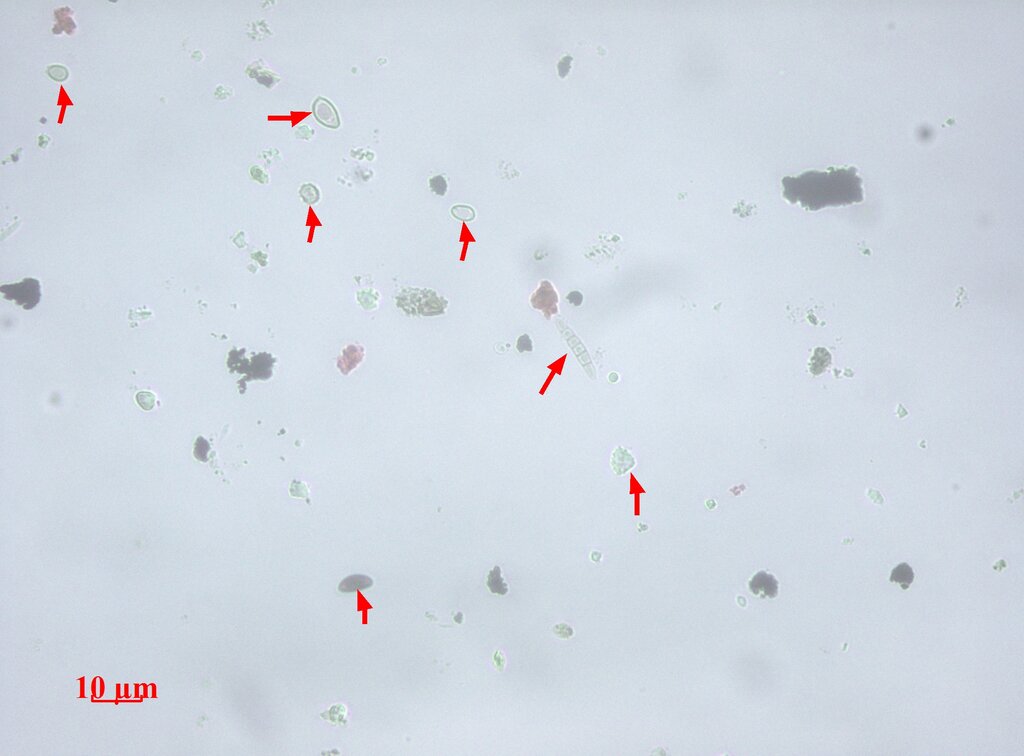
Reproduction in fungi can be either sexual or asexual. Asexual reproduction, often through the formation of spores, is a major way fungi spread. These spores are lightweight and can travel long distances through the air, water, or on surfaces. Inhaling fungal spores is a common route of infection for many respiratory mycoses.
Fungi and Human Health
The epidemiology of fungal infections has changed dramatically in recent decades. While once considered rare, severe fungal diseases are on the rise. This increase is largely driven by the growing number of people with compromised immune systems.
Patients undergoing cancer treatment, receiving organ transplants, or living with HIV/AIDS are particularly vulnerable. The medical interventions that save their lives often suppress the immune system, leaving them open to opportunistic infections from fungi that a healthy person could easily fight off. This makes medical mycology an increasingly critical field in public health and clinical practice.
Fungal infections represent a significant and growing threat to public health, especially among immunocompromised populations. Understanding their basic biology and epidemiology is essential for diagnosis and management.
Let's review the key terms we've covered.
Now, test your knowledge of these introductory concepts.
What is the primary structural component of a fungal cell wall, which makes it a good target for antifungal drugs?
A fungus is cultured in a lab at 25°C and appears as a fuzzy, thread-like mass. When a sample is moved to an incubator at 37°C, microscopic analysis reveals small, oval-shaped budding cells. How would this fungus be classified?
With this foundation, you're ready to explore the specific fungi that cause human disease and how they are treated.