Medical Imaging Systems Explained
Introduction to Medical Imaging
Seeing Inside the Body
For most of human history, the only way to see inside a living person was through surgery. That all changed with the invention of medical imaging, a collection of technologies that create pictures of our internal organs, bones, and tissues. These images are crucial tools for doctors, helping them diagnose illnesses, monitor treatments, and guide medical procedures.
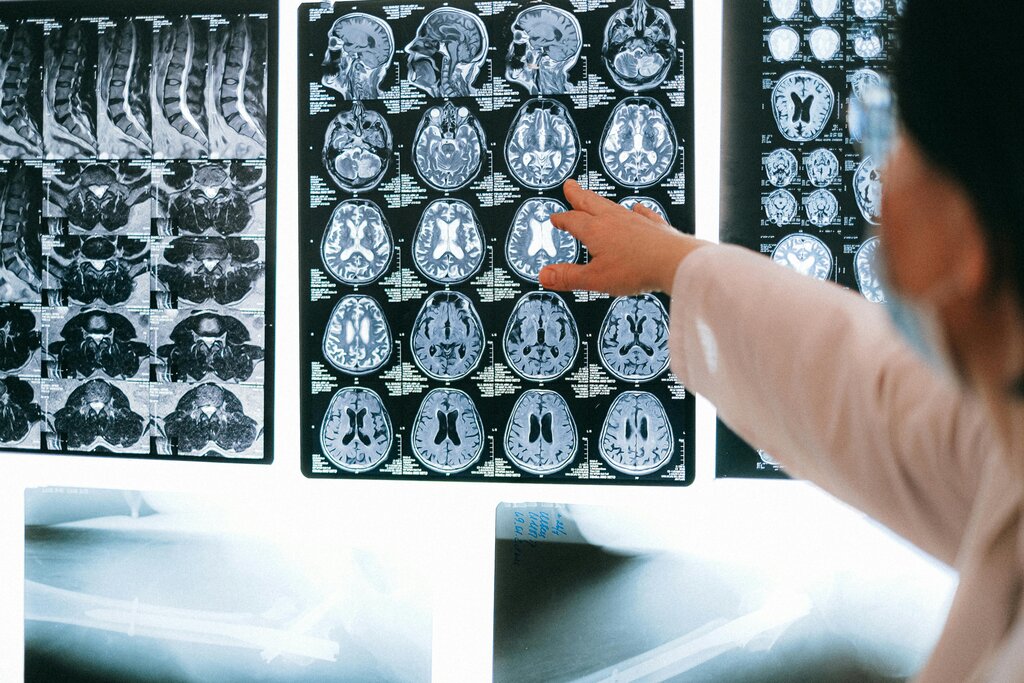
Instead of a single technology, medical imaging uses different forms of energy to peer beneath the skin. Each type of energy interacts with the body in a unique way, providing a specific kind of information. Think of it like having different kinds of flashlights. One might reveal shapes, another might show heat, and a third could highlight movement.
A Tour of Imaging Methods
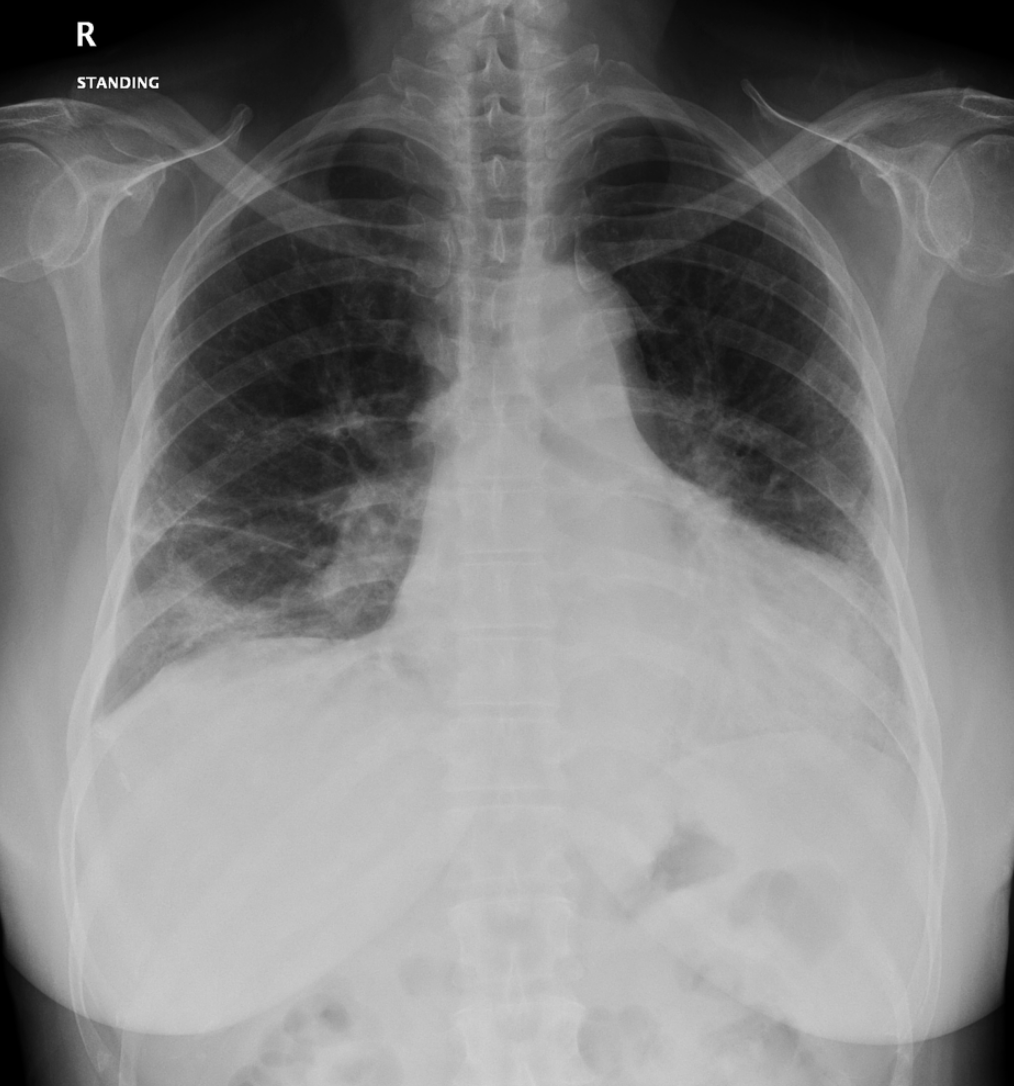
The most familiar type of imaging is the X-ray. X-rays use a form of high-energy electromagnetic radiation. This radiation can pass through soft tissues like skin and muscle but is stopped by denser materials like bone. The result is a shadow image, showing bones as white and soft tissues as shades of gray.
A Computed Tomography (CT) scan is a more advanced version of an X-ray. Instead of taking one flat picture, a CT scanner takes a series of X-ray images from different angles. A computer then combines these "slices" to create a detailed 3D view of the body's structures.
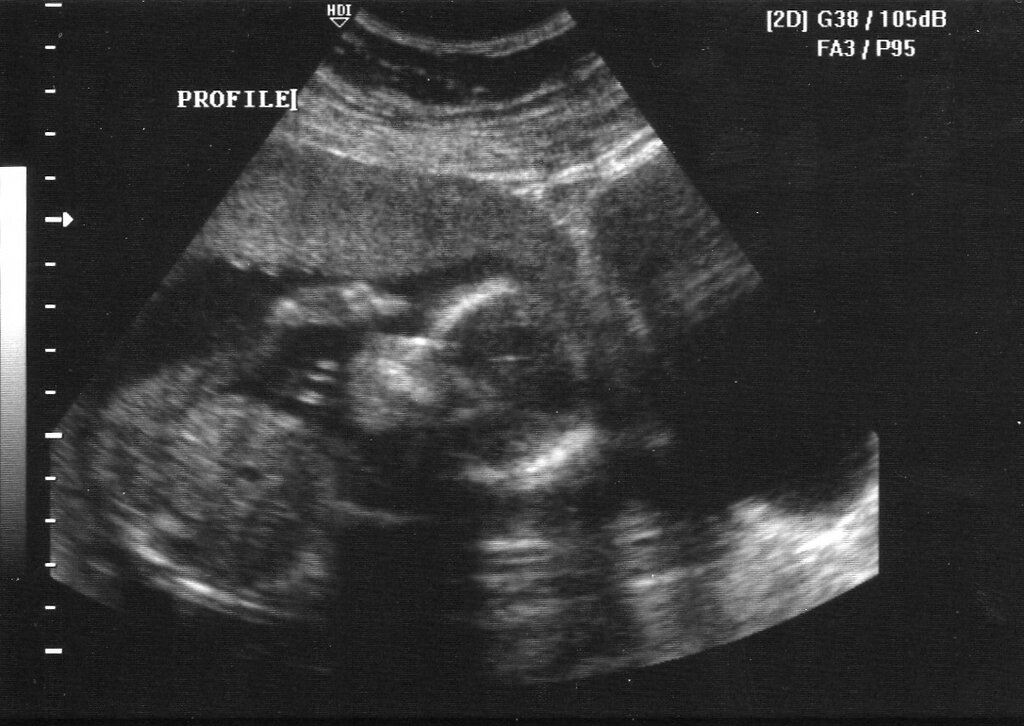
Ultrasound imaging takes a completely different approach. It uses high-frequency sound waves, far beyond the range of human hearing. A small device called a transducer sends these sound waves into the body and detects the echoes that bounce back from organs and tissues. A computer translates these echoes into a live image on a screen.
Because it doesn't use any radiation, ultrasound is very safe and is famously used to monitor the development of a fetus during pregnancy. It's also excellent for viewing soft tissues and organs in real-time, like a beating heart.
Magnetic Resonance Imaging (MRI) provides incredibly detailed pictures, especially of soft tissues like the brain, muscles, and ligaments. An MRI machine uses a powerful magnetic field and radio waves. The magnetic field temporarily aligns the water molecules in your body, and the radio waves cause them to produce faint signals. The machine detects these signals and uses them to create a cross-sectional image.
Unlike X-rays and CT scans, MRI does not use ionizing radiation.
Finally, some methods are designed to show how the body is functioning, not just how it looks. Positron Emission Tomography (PET) is a prime example. This technique involves injecting a small, safe amount of a radioactive tracer into the bloodstream. This tracer accumulates in areas with high metabolic activity, such as cancer cells, which consume more energy than normal cells.
The PET scanner detects the energy emitted by the tracer, creating a map of the body's functional activity. This allows doctors to spot disease at a cellular level, sometimes before it can be seen on other imaging tests.
From Pictures to Diagnoses
Each imaging modality offers a unique window into the human body. Doctors choose the right tool for the job based on what they need to see. A suspected broken arm calls for a simple X-ray. To investigate a torn ligament in a knee, an MRI is the best choice. To check for the spread of cancer, a doctor might order a PET scan.
By combining information from these different sources, medical professionals can build a comprehensive picture of a patient's health, leading to more accurate diagnoses and more effective treatments.
| Modality | Energy Used | Best For | Key Application |
|---|---|---|---|
| X-ray / CT | X-ray Radiation | Dense structures | Broken bones, organ imaging |
| Ultrasound | Sound Waves | Soft tissues, fluid | Pregnancy, heart function |
| MRI | Magnetic Fields & Radio Waves | Soft tissues | Brain, spine, joints, muscles |
| PET Scan | Radioactive Tracers | Metabolic activity | Cancer detection, brain disorders |
These technologies have revolutionized medicine, turning the body from a black box into something we can observe, understand, and heal with incredible precision.