Medical Device Definitions Explained
Medical Device Definition
What Makes a Device 'Medical'?
The term 'medical device' covers a surprisingly vast range of items, from the simple tongue depressor in a doctor's office to the complex robotic systems used in surgery. What unites them all is their intended purpose.
A medical device is any instrument, apparatus, machine, implant, or similar article that's meant to be used for a medical reason.
The core purpose of a medical device is to diagnose, cure, mitigate, treat, or prevent a disease or other condition.
This definition is broad on purpose. It includes everything from the adhesive bandage you put on a cut to the artificial hip that replaces a worn-out joint. The variety is immense.
| Category | Simple Examples | Complex Examples |
|---|---|---|
| Diagnostic | Thermometer, Blood pressure cuff | MRI machine, Ultrasound scanner |
| Treatment | Bandage, Syringe | Pacemaker, Dialysis machine |
| Assistive | Eyeglasses, Crutches | Prosthetic limb, Hearing aid |
Device vs. Drug
A crucial part of the definition is what a medical device doesn't do. It achieves its main goal through physical, structural, or mechanical action—not through chemical or metabolic means. This is the key difference between a device and a drug.
Think about heartburn. You could take an antacid tablet, which is a drug. It causes a chemical reaction in your stomach to neutralize acid. That's a chemical action.
Alternatively, a doctor might recommend a LINX device, a ring of magnetic beads surgically implanted around the esophagus to physically prevent acid from backing up. The device works mechanically. It isn't absorbed or metabolized by the body to get its job done.
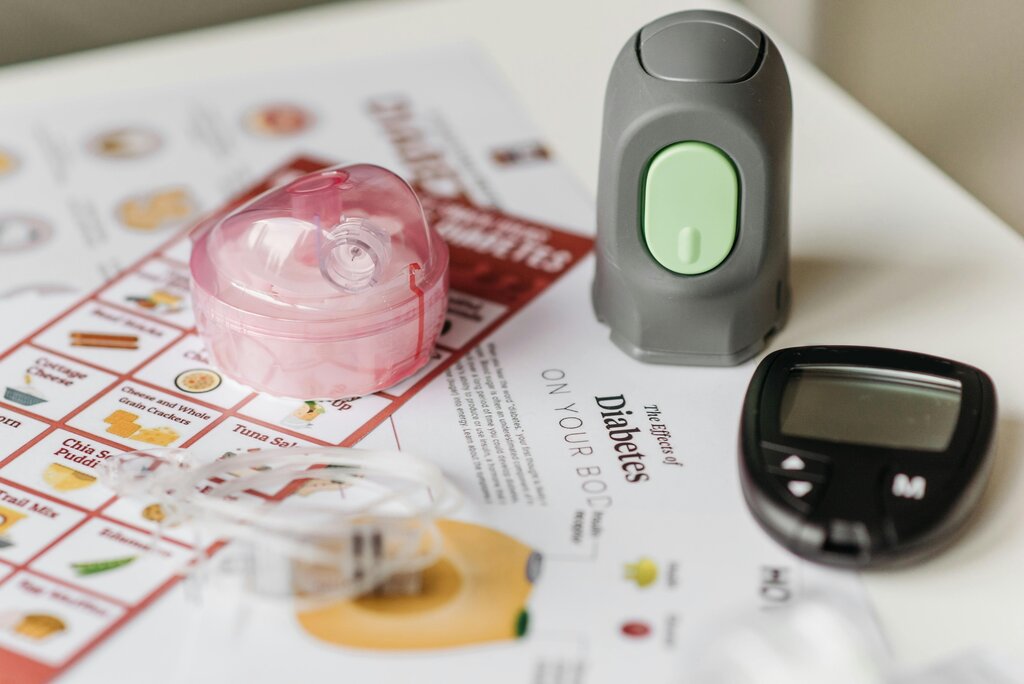
This distinction is why a syringe is a medical device, but the vaccine inside it is a biologic. The syringe physically delivers the substance, while the vaccine works on a biological level to create immunity. Both are critical for healthcare, but they fall into different categories based on their primary mechanism of action.
implant
noun
A medical device that is placed inside the body, either partially or totally, and is intended to remain there for a significant period.
Ultimately, the manufacturer's stated goal for the product is what matters most.
The intented purpose of the device, as defined by its manufacturer, is the key for qualifying and classifying a product according to the medical device regulations.
This focus on intended use helps clarify why a fitness tracker you buy at an electronics store isn't typically considered a medical device, but a similar-looking wearable prescribed by a doctor to monitor heart arrhythmias is. It all comes down to the intended medical purpose.
Now, let's check your understanding of these concepts.
What is the primary factor that determines if an item is a medical device?
Which of the following best describes the key difference between a medical device and a drug?
Understanding this fundamental definition is the first step in exploring the world of medical technology and how it shapes modern healthcare.