Medical Billing Essentials
Introduction to Medical Billing
What Is Medical Billing?
When you visit a doctor, every service you receive, from a simple check-up to a complex surgery, creates a detailed record. Medical billing is the process of translating that record into a bill that an insurance company or patient can pay. Think of it as a bridge connecting healthcare services with payment. The main purpose is simple: to make sure doctors, clinics, and hospitals are paid for the care they provide.
This process turns a patient's visit into a financial transaction, allowing the healthcare system to function.
The Billing Cycle
Medical billing isn't a one-time action but a series of steps called the revenue cycle. This cycle starts the moment a patient schedules an appointment and ends only when the provider has been fully paid.
It represents the full financial journey of a patient, from their first appointment and insurance verification to final payment and reconciliation.
This journey involves several key stages, each one building on the last. It starts with registering the patient and verifying their insurance coverage. After the visit, the services are translated into standardized codes. These codes are then used to create a claim, which is sent to the insurance company. The insurer reviews it, pays its portion, and the remaining balance is then handled with the patient. Each step must be completed correctly for the cycle to move forward smoothly.
Key Terms and Concepts
To understand medical billing, you need to know the language. A few terms are fundamental to the process.
Claim
noun
A formal request for payment sent to an insurance company that lists the medical services a patient received.
The claim is the central document in the billing cycle. It tells the insurance company what services were performed so they can determine what to pay for.
Payer
noun
The organization or person that pays for medical services. This is typically a health insurance company, but it can also be a government program like Medicare or Medicaid, or even the patient themselves.
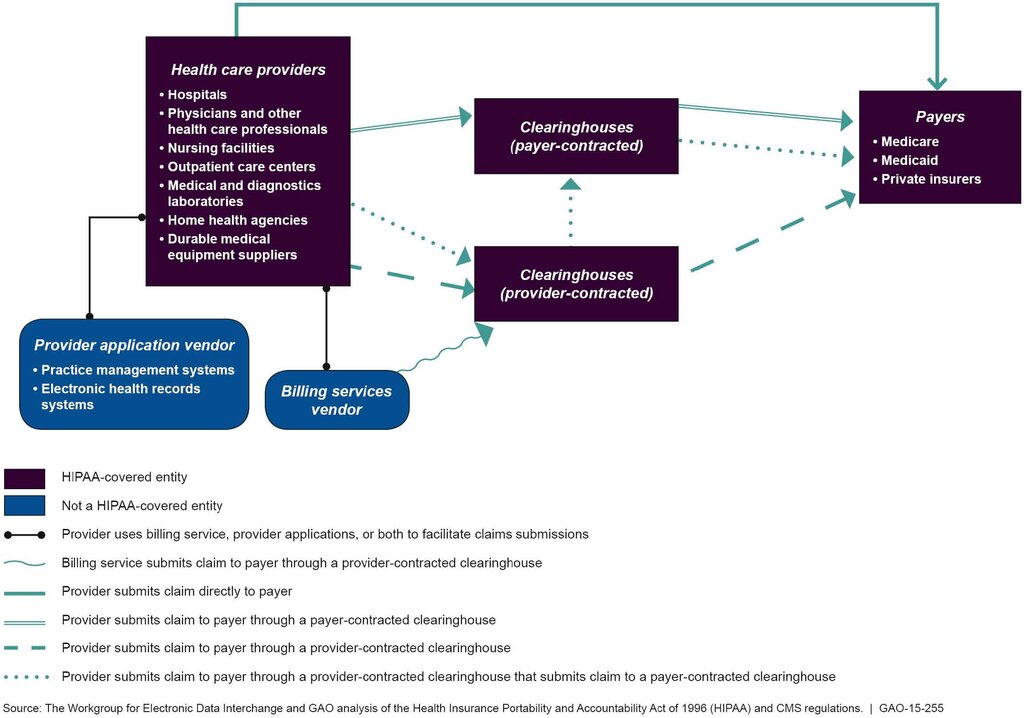
The interaction between the healthcare provider and the payer is at the heart of medical billing. Finally, the entire process is managed under one big umbrella.
Revenue Cycle Management
noun
The financial process that facilities use to manage the administrative and clinical functions associated with claims processing, payment, and revenue generation.
Think of Revenue Cycle Management (RCM) as the strategy for overseeing the entire billing journey to ensure it is efficient and effective.
Why Accuracy Matters
Accuracy is everything in medical billing. A small mistake in a patient's information or a service code can lead to a claim being rejected. This delays payment, creates more administrative work, and can disrupt a healthcare provider's cash flow.
Accurate medical coding is critical to the overall healthcare billing process, directly influencing claims approvals, reimbursement timelines, and regulatory compliance.
Proper documentation from the doctor's visit is the foundation. It provides the proof needed to justify the services billed. Correct coding translates that documentation into the standardized language that payers understand. When both are done right, the billing process works as it should, ensuring providers are paid fairly and promptly for their work.
What is the primary purpose of medical billing?
The entire process from a patient scheduling an appointment to the provider receiving full payment is known as the:
This introduction covers the basic framework of medical billing. These core ideas are the foundation for the more detailed processes you'll learn about next.