Medicaid Managed Care Explained
Introduction to Medicaid
What is Medicaid?
Medicaid is a public health insurance program in the United States that provides health coverage to millions of Americans, including eligible low-income adults, children, pregnant women, elderly adults, and people with disabilities. It was designed to be a safety net for those who might otherwise go without necessary medical care.
Medicaid is the joint state-federal health insurance program that provides coverage to millions of Americans including low-income people, children, pregnant women, and people with disabilities.
Unlike a single, national program, Medicaid is administered by individual states, according to federal requirements. This partnership means that while the federal government sets core standards, each state has significant flexibility to design and run its own program. As a result, the specifics of Medicaid can vary quite a bit from one state to another.
A Brief History
Medicaid was established in 1965 when President Lyndon B. Johnson signed into law amendments to the Social Security Act. This legislation created both Medicare and Medicaid, fundamentally changing the landscape of American healthcare.
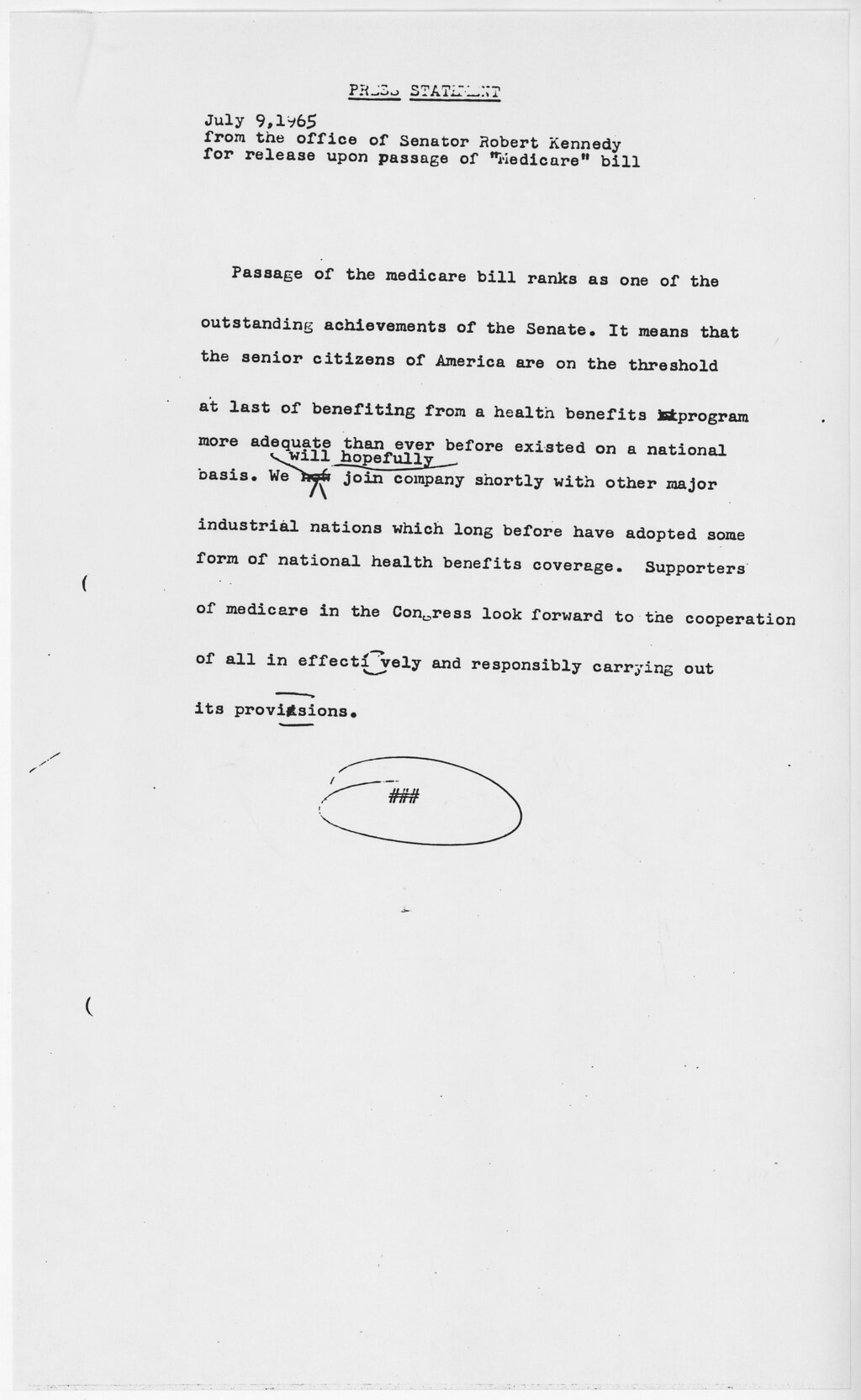
While Medicare was created to provide health coverage for senior citizens, Medicaid's purpose was to help states offer medical assistance to people receiving cash assistance. The goal was to ensure that access to healthcare wasn't solely dependent on a person's ability to pay. Over the decades, the program has expanded significantly, becoming a cornerstone of the nation's health system.
Who is Eligible?
Eligibility for Medicaid depends on several factors, primarily a person's income relative to the Federal Poverty Level (FPL). Other factors include household size, disability status, and age. Because states run their own programs, the exact income thresholds and covered groups can differ.
Historically, Medicaid was limited to specific low-income groups, like pregnant women or adults with disabilities. The Patient Protection and Affordable Care Act (ACA) of 2010 gave states the option to expand Medicaid eligibility to nearly all adults with incomes at or below 138% of the FPL. This led to a significant increase in the number of people covered by the program.
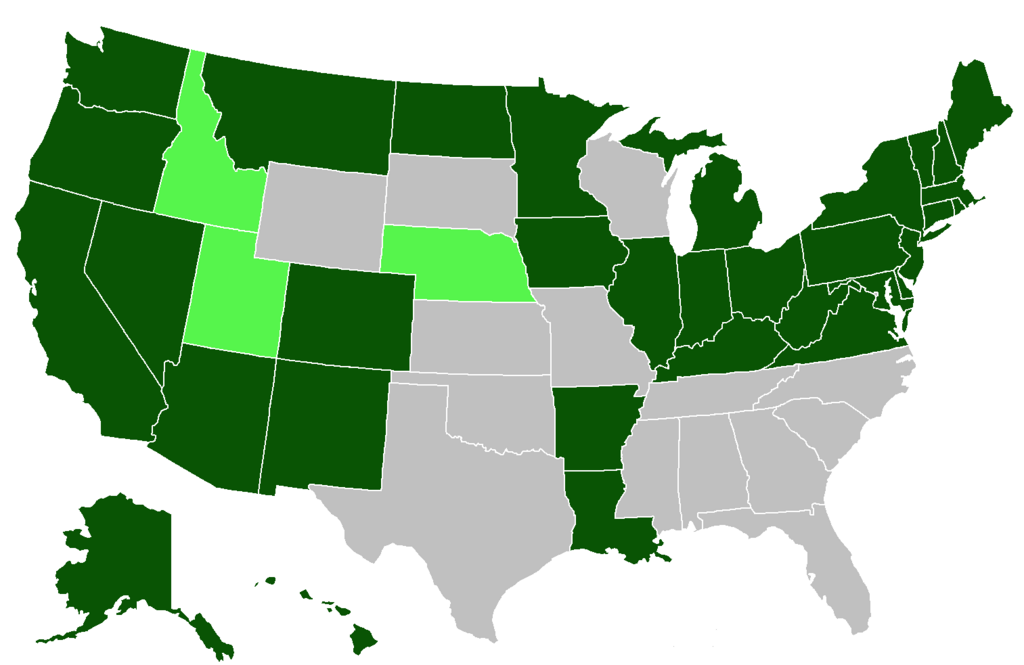
As of today, most states have adopted Medicaid expansion. In states that have not expanded, eligibility is often much more restrictive, typically leaving out adults who don't have dependent children or a qualifying disability, regardless of how low their income is.
Funding and Services
Medicaid is funded jointly by the federal government and state governments. The federal government matches state spending on the program. The matching rate, known as the Federal Medical Assistance Percentage (FMAP), varies by state based on its per capita income. Wealthier states receive a smaller federal match, while states with lower per capita incomes receive a larger one.
While states have flexibility in designing their benefits, federal law requires that all Medicaid programs cover certain mandatory services. These include:
- Inpatient and outpatient hospital services
- Physician services
- Laboratory and X-ray services
- Family planning services
- Nursing facility services for individuals aged 21 or over
States can also choose to cover a wide range of optional services, such as prescription drugs, physical therapy, dental services, and vision care. Most states offer these services to provide more comprehensive coverage for their populations.
This foundational structure of shared funding and state-level administration is key to understanding how Medicaid operates across the country.