Medicaid Essentials
Medicaid Overview
What is Medicaid?
Medicaid is a public health insurance program in the United States. Its main goal is to provide health coverage to millions of Americans with limited income and resources.
Medicaid is the joint state-federal health insurance program that provides coverage to millions of Americans including low-income people, children, pregnant women, and people with disabilities.
Think of it as a safety net. It ensures that vulnerable individuals and families can get necessary medical care they might otherwise be unable to afford. Unlike a single, national program, Medicaid is actually a partnership between the federal government and individual state governments.
Who Does Medicaid Help?
Medicaid serves a diverse group of people. While eligibility rules can vary from state to state, the program is generally designed to cover specific populations, including:
- Low-income adults
- Children
- Pregnant women
- Elderly adults
- Individuals with disabilities
For many, Medicaid is the only way to access routine check-ups, emergency care, and long-term medical services.
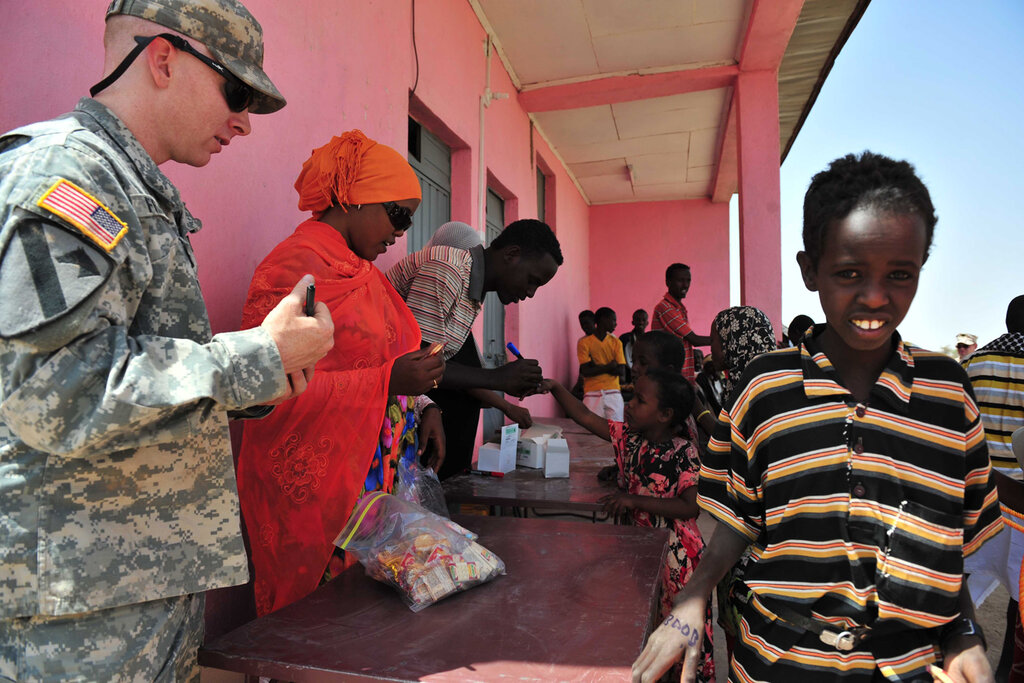
A Partnership in Action
The joint nature of Medicaid is one of its defining features. The federal government sets broad, national guidelines for the program. These are the core requirements that all states must follow.
However, each state is responsible for administering its own Medicaid program. This means states handle the day-to-day operations. They process applications, enroll eligible residents, and work with healthcare providers to deliver services. This structure gives states the flexibility to tailor their programs to the specific needs and budgets of their populations, as long as they stay within the federal framework.
Shared Funding
Just as they share administrative duties, the federal and state governments also share the cost of Medicaid. The program is funded by both federal and state tax dollars.
The federal government doesn't just give each state a fixed amount of money. Instead, it matches a percentage of what each state spends on its program. This is known as the Federal Medical Assistance Percentage (FMAP). The matching rate varies by state and is based on factors like the state's average per capita income. Wealthier states receive a smaller match, while states with lower incomes receive a higher one. This cost-sharing model helps ensure that all states can afford to provide this crucial coverage.
What is the primary purpose of the Medicaid program?
The Medicaid program is administered as a partnership between the federal government and state governments.
Medicaid's structure as a federal-state partnership allows it to serve millions across the country while adapting to local needs.