Media Mix Modeling Essentials
Introduction to Media Mix Modeling
What Is Media Mix Modeling?
Imagine you're trying to grow a garden. You use a mix of sunlight, water, and fertilizer. At the end of the season, you have a great harvest. But how much did each element contribute? Was it the extra water last month or the new fertilizer you tried? Answering that is tricky because they all work together over time.
Marketing is similar. Companies use a mix of TV ads, social media campaigns, and email newsletters to drive sales. Media Mix Modeling, or MMM, is the statistical method they use to figure out which marketing ingredients are having the biggest impact. It's a way to look back at all your marketing efforts and sales data to see what really worked.
Media Mix Modeling
noun
A statistical analysis technique that measures the impact of various marketing tactics on sales in order to forecast the likely impact of future sets of tactics.
The main goal is to optimize the marketing budget. By understanding how much each channel contributes to sales, a company can decide where to invest more money and where to cut back. MMM helps answer the big question: "If I have an extra $100,000 to spend on marketing, where should it go to get the best return?"
Marketing Mix Modeling (MMM) is a statistical technique used to estimate the impact of marketing activities on business outcomes such as sales, revenue, or customer visits.
How Is It Different?
You might have heard of other ways to measure marketing, like multi-touch attribution (MTA). While both aim to measure effectiveness, they work very differently.
MTA is a bottom-up approach. It tracks an individual customer's journey, looking at every touchpoint they have with a brand before making a purchase—like clicking an ad, then reading an email, then visiting the website. It's granular and focuses on digital channels.
MMM is a top-down approach. It doesn't look at individual customers. Instead, it analyzes aggregate data over a longer period, like monthly sales figures and total ad spend on TV, radio, and digital. Because it looks at the big picture, MMM can measure the impact of offline channels that MTA can't, like print ads or television commercials.
| Feature | Media Mix Modeling (MMM) | Multi-Touch Attribution (MTA) |
|---|---|---|
| Approach | Top-down (strategic) | Bottom-up (tactical) |
| Data Scope | Aggregate (sales, ad spend) | User-level (clicks, opens) |
| Channels | Online and offline | Primarily online |
| Time Frame | Long-term (months, years) | Short-term (days, weeks) |
The two models aren't competitors; they're complementary. MMM is great for high-level, strategic budget planning across all channels. MTA is better for tactical, day-to-day optimizations within your digital campaigns.
A Quick History
MMM isn't new. It's been around since the 1950s, long before the internet. Companies that sold consumer packaged goods, like soap and cereal, were the first to use it. They needed a way to measure the impact of their expensive TV, radio, and print advertising campaigns on sales.
Early models were built using linear regression, a basic statistical technique. They were complex to build and required a lot of historical data.
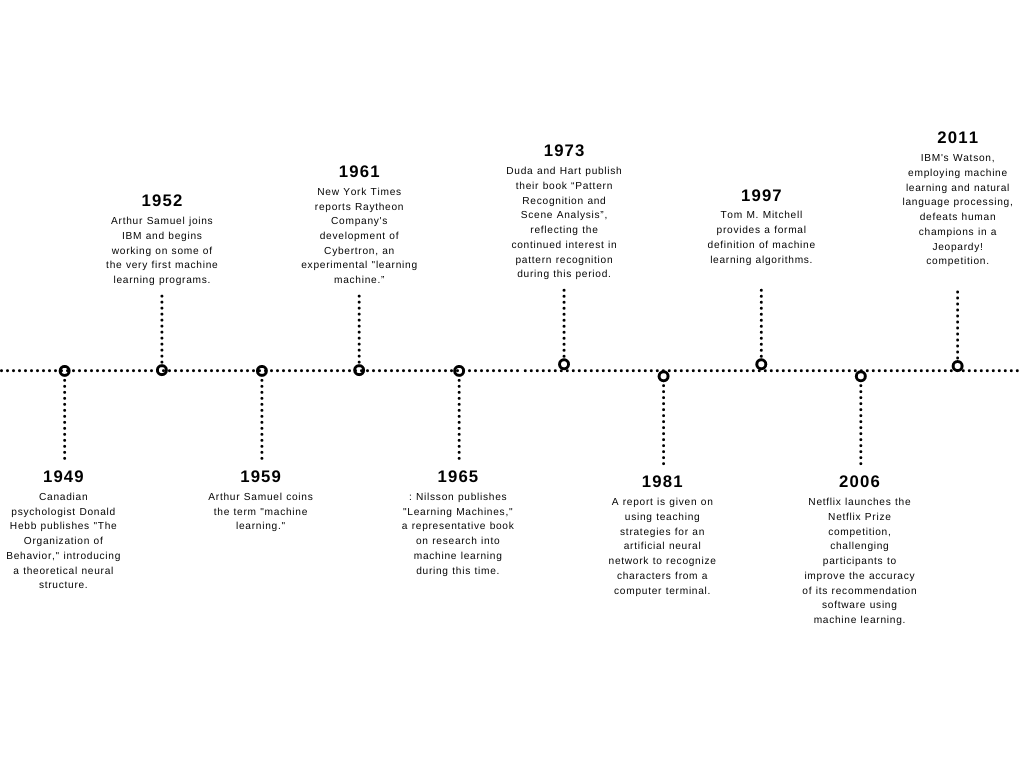
With the rise of digital marketing, some thought MMM would become obsolete. After all, digital channels are so much easier to track. But MMM has evolved. Today's models are far more sophisticated. They use advanced machine learning and can incorporate a huge variety of data points, from competitor spending to economic trends to the weather.
In a world with more and more privacy restrictions, tracking individual users for MTA is becoming harder. This has made MMM, with its focus on aggregate, anonymized data, more relevant than ever for getting a holistic view of marketing performance.
What is the primary goal of Media Mix Modeling (MMM)?
Which of the following best describes the difference between MMM and Multi-Touch Attribution (MTA)?