Media Bias Analysis
Introduction to Media Bias
What is Media Bias?
Have you ever heard two friends tell the same story, but in completely different ways? One might focus on the exciting parts, while the other emphasizes what went wrong. Neither person is necessarily lying, but their perspective shapes how they tell the story. The news works in a similar way.
News isn't just a raw feed of facts. Every story you read or watch is the product of choices. Journalists and editors decide which events to cover, which people to interview, what details to include, and which words to use. These choices can create a particular slant or point of view.
bias
noun
A tendency to present information from a particular, often unfair, perspective. In media, it's when the selection and presentation of news is shaped by a specific viewpoint.
Bias isn't always a deliberate attempt to mislead. Often, it's unintentional. It can stem from a journalist's personal background, the political climate, or a news organization's mission or audience. Even the pressure to attract clicks and viewers can introduce bias by favoring sensational or emotionally charged stories.
Why Does It Matter?
Recognizing media bias is a fundamental skill for navigating the modern world. The goal isn't to find a mythical, perfectly neutral news source, but to become a more critical and informed consumer of information. By understanding the perspectives shaping a story, you can piece together a more complete picture of what's happening.
By becoming aware of how and why bias in journalism happens, readers can make more informed decisions and think critically about the media they consume.
The information we consume shapes our reality. It influences our opinions on everything from local elections to global events. It can sway our votes, affect our relationships, and define our understanding of complex social issues. When news is presented with a consistent, unrecognized bias, it can lead to a skewed perception of the world.
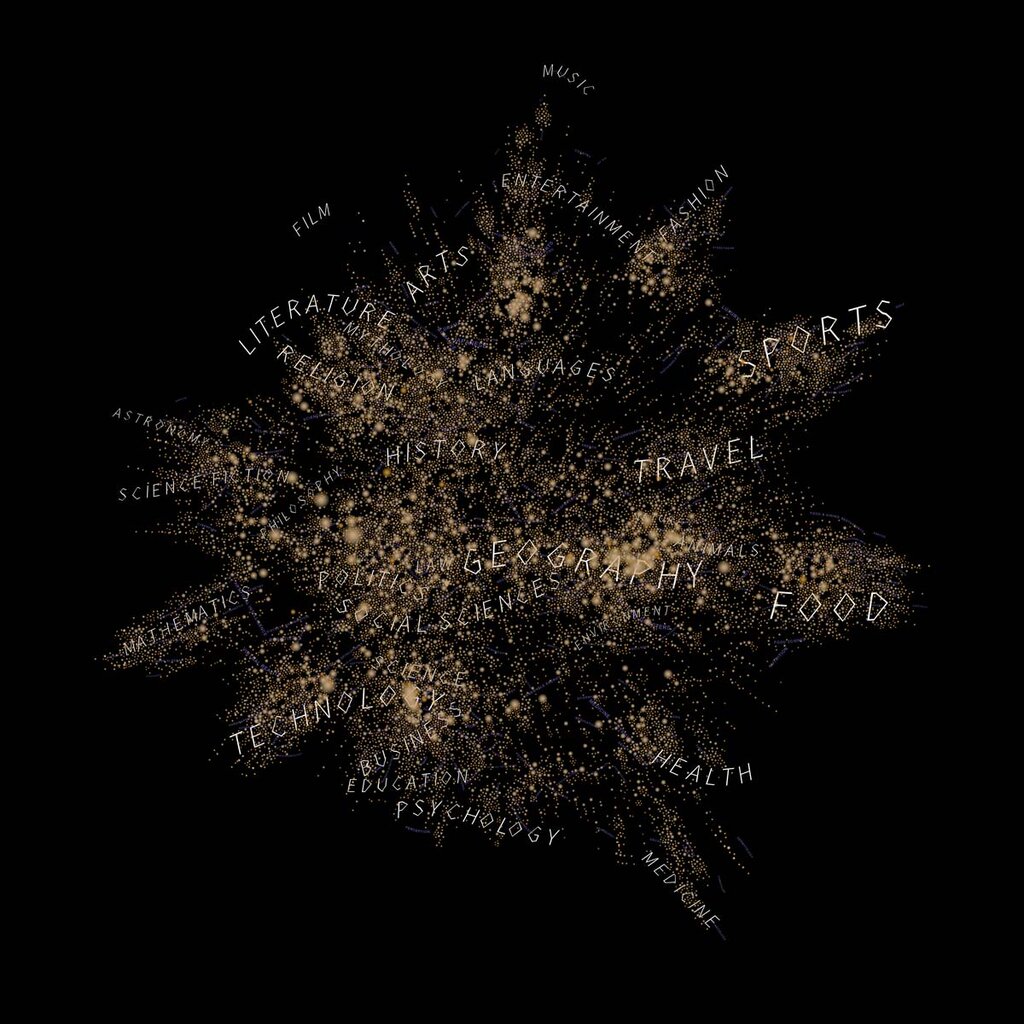
Imagine trying to understand a city by only looking at a map of its highways. You'd know how to get from one point to another, but you'd miss the neighborhoods, parks, and local streets that give the city its character. Similarly, a biased media diet can give you a distorted view of society, amplifying conflict, oversimplifying issues, and making it harder to find common ground.
Learning to spot bias empowers you. It allows you to look beyond the headlines, question the narratives presented to you, and seek out different viewpoints. This is the first step toward becoming a more discerning and responsible citizen in an age of information overload.
According to the provided text, which statement best describes how news is created?
Media bias is always a conscious and deliberate attempt to mislead the audience.