Media Bias Analysis
Understanding Media Bias
What Shapes the News?
No news source gives you the whole picture. That's not a criticism, just a fact. Every story is told from a perspective. Media bias is the tendency of journalists and news outlets to select and present stories in a way that aligns with a particular viewpoint, whether intentionally or not. Think of it like a camera lens. A wide-angle lens shows the whole scene, while a zoom lens focuses on a single detail. Neither is lying, but they tell very different stories. This shaping of information can influence what we think, how we feel, and the decisions we make.
Media bias can be defined as the bias of journalists and news producers within the mass media in selecting and covering numerous events and stories (Gentzkow et al. 2015).
Bias isn't just about political leanings. It can relate to corporate interests, social issues, or national perspectives. Understanding that this bias exists is the first step toward becoming a more critical and informed consumer of information.
Common Forms of Bias
Media bias isn't always obvious. It often appears in subtle ways through the details that are included, the ones that are left out, and the language used to tell the story. Let's look at three common types.
Selection and Omission Bias This is about what stories an outlet chooses to cover and what parts of a story they leave out. If a news channel runs dozens of stories about crime in one city but ignores similar stories in another, that's selection bias. Omission is the flip side. A report on a company's record profits might omit the fact that it also laid off hundreds of workers. What's missing is often as important as what's present.
Framing Framing is how a story is presented. The words, images, and tone all contribute to the frame. The same event can be framed in completely different ways, leading to different public reactions.
| Event | Headline A (Negative Frame) | Headline B (Positive Frame) |
|---|---|---|
| City council votes to increase property taxes. | City Slams Homeowners with Tax Hike | Council Approves Funding for Schools and Parks |
| A protest occurs downtown. | Protesters Block Traffic, Cause Chaos | Citizens March for Change Downtown |
Both headlines in each example could be factually correct, but their framing creates dramatically different impressions. Headline A emphasizes the burden on taxpayers, while Headline B focuses on the community benefits. Neither is false, but both are biased.
Causes and Effects
Bias in the media isn't always a conspiracy. Often, it's the result of practical constraints and human nature. Newsrooms face tight deadlines, limited resources, and the need to attract an audience. This can lead to covering stories that are more sensational or easier to report.
The political views of owners, editors, and journalists can also play a significant role. And sometimes, journalists may hold unconscious biases that affect their reporting without them even realizing it.
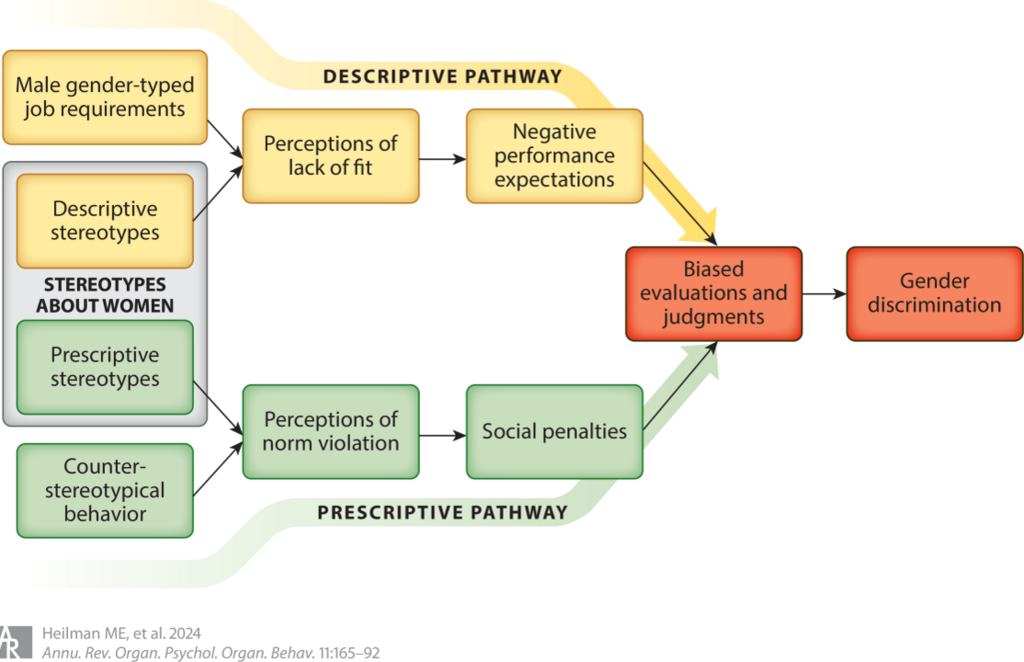
The effects of media bias are far-reaching. Consistent exposure to a single perspective can shape our understanding of the world, reinforcing our existing beliefs and making it harder to consider other points of view. This can create echo chambers, where we only hear information that confirms what we already think.
In a democracy, an informed public is essential. When bias distorts the information people receive, it can affect public opinion on important issues and even influence the outcome of elections. It can erode trust in institutions and deepen social and political divisions.
Media bias can reinforce existing beliefs and create echo chambers, contributing to the polarization of public opinion.
Recognizing that all news has a perspective is not about dismissing it entirely. It’s about engaging with it intelligently and critically.