Mechanisms of Blood Group Classification
Erythrocyte Surface Antigens
The Cell's Identity Card
Every red blood cell carries a molecular passport on its surface. This passport isn't paper; it's a complex array of proteins and carbohydrates that tells your immune system, "I belong here." These molecules, known as antigens, are the basis of your blood type.
Specifically, the antigens of the ABO blood group system are and glycolipids. This simply means they are sugar chains (glycans) attached to either a protein or a lipid molecule embedded in the cell membrane. It’s the specific arrangement of these sugars at the very end of the chain that your immune system recognizes.
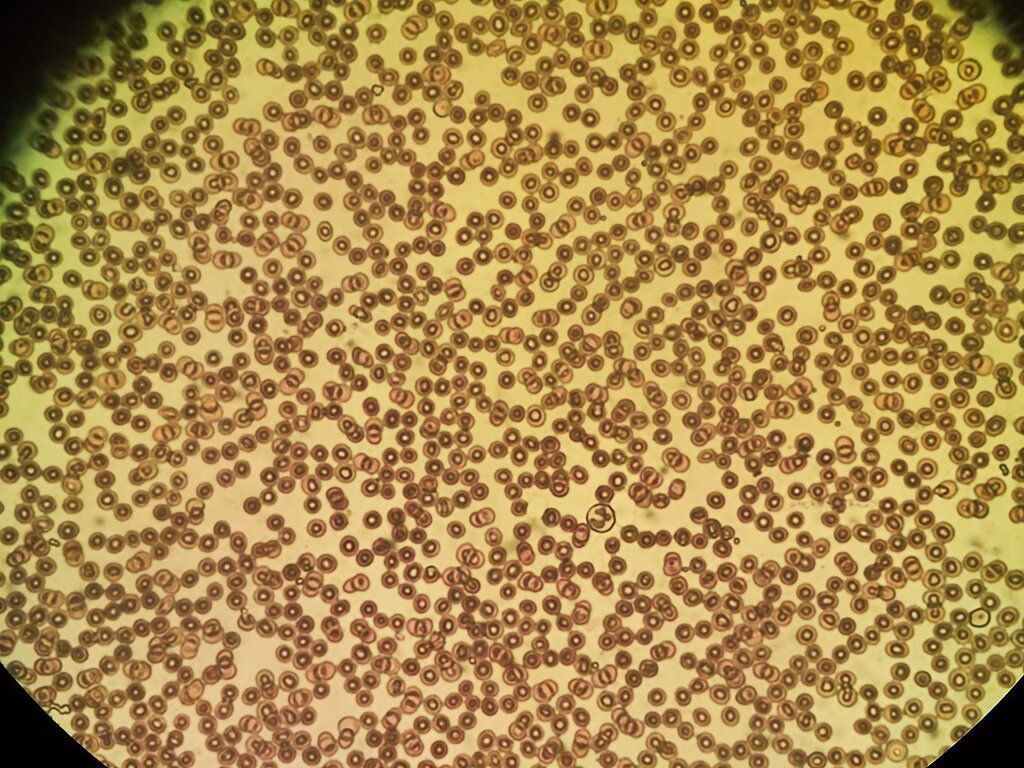
The part of the antigen that an antibody actually binds to is a tiny, specific region called an epitope. For blood types, the epitope is just a few sugar molecules at the tip of the glycoprotein or glycolipid chain. A small difference in this structure is enough to trigger a major immune response.
The Universal Precursor
The A and B antigens don't just appear out of nowhere. They are built upon a foundational structure called the H substance, also known as the H antigen. Nearly everyone, regardless of their ABO blood type, has the H substance on their red blood cells. It's the precursor, the blank canvas upon which the A and B antigens are painted.
The H substance is itself a chain of sugars. The final step in its creation is the addition of a sugar called fucose by an enzyme. Once the H substance is complete, other enzymes can step in to modify it, creating the final blood type antigen. If this modification happens, you get type A or B. If it doesn't, you remain type O.
A Tale of Two Sugars
The difference between blood types A and B comes down to a single sugar molecule. It’s a subtle change, but one with major consequences for blood transfusions.
Your blood type is determined by the genes you inherit. The gene for the A antigen codes for an enzyme that adds a sugar called N-acetylgalactosamine (GalNAc) to the H substance. The gene for the B antigen codes for a different enzyme, one that adds a sugar called D-galactose instead. That’s it. One sugar determines A, the other determines B.
What about type O? The O gene produces an inactive enzyme that can't add any sugar to the H substance. So, people with type O blood have red blood cells with the plain, unmodified H substance on their surface. People with AB blood have both enzymes, so some of their H substances are converted to A antigens and some to B antigens. This work was pioneered by at the turn of the 20th century.
| Blood Type | Antigen on RBC | Terminal Sugar Added | Antibody in Plasma |
|---|---|---|---|
| A | A antigen | GalNAc | Anti-B |
| B | B antigen | D-Galactose | Anti-A |
| AB | A and B antigens | Both | Neither |
| O | H antigen (none) | Neither | Anti-A and Anti-B |
These surface antigens explain why blood types must be carefully matched. If you receive a transfusion with antigens your body doesn't recognize as 'self,' your immune system will produce antibodies to attack the foreign cells. For example, a person with type A blood has A antigens, so their body has learned to ignore them. But it will produce anti-B antibodies to attack any cells with B antigens.
Time for a quick check on these molecular building blocks.
What is the fundamental molecular structure that serves as the precursor for both A and B blood group antigens?
A person's genes code for an enzyme that adds the sugar D-galactose to the H substance on their red blood cells. What is this person's blood type?
Understanding these molecular structures is the key to immunology and safe medical practice. The simple addition or absence of a sugar molecule dictates who can safely give blood to whom.