Mechanics of Modern Government
Comparative Governance Tradeoffs
Efficiency Versus Stability
Every system of government is a collection of tradeoffs. When designing a democratic structure, a central question is how to balance the need for an efficient government that can act decisively with the need for a stable one that prevents radical, sudden shifts in policy. The answer often lies in how a system organizes its executive and legislative powers.
In a parliamentary system, like the United Kingdom's, these powers are fused. The head of government, the , is also a member of the legislature, typically the leader of the majority party or coalition. This fusion means the executive branch has a built-in majority in the legislative branch, allowing it to pass laws relatively quickly. If the governing party wants a new policy, it usually has the votes to make it happen.
Presidential systems, like that of the United States, are built on the principle of separation of powers. The executive (the President) is elected separately from the legislature (Congress). They are independent, and often, they are in opposition. This design intentionally creates friction. Passing laws requires negotiation and compromise between the two branches, a process that is much slower and more deliberate. This friction acts as a check on power, making the government less efficient but, in theory, more stable and less prone to the whims of a temporary majority.
The tradeoff becomes clear in a crisis. A parliamentary system can pass emergency legislation in days or even hours. A presidential system might take weeks of debate, potentially leading to government shutdowns if the branches can't agree. However, that same speed can allow a parliamentary majority to enact sweeping changes with little opposition, which could be destabilizing. The slow, gridlock-prone nature of a presidential system is a feature, not a bug—it forces consensus-building.
Forming a Government
The structure of power also affects how governments are formed and maintained. In presidential systems, the executive's term is fixed. A president is elected for a set number of years and, short of impeachment, will serve that full term. This provides predictability. Investors, foreign governments, and citizens know who will be in charge for a defined period.
The downside is rigidity. If a president loses the support of the legislature or the public, there's no easy mechanism to remove them. This can lead to years of political gridlock, where the government is unable to address pressing issues because the executive and legislative branches are at an impasse.
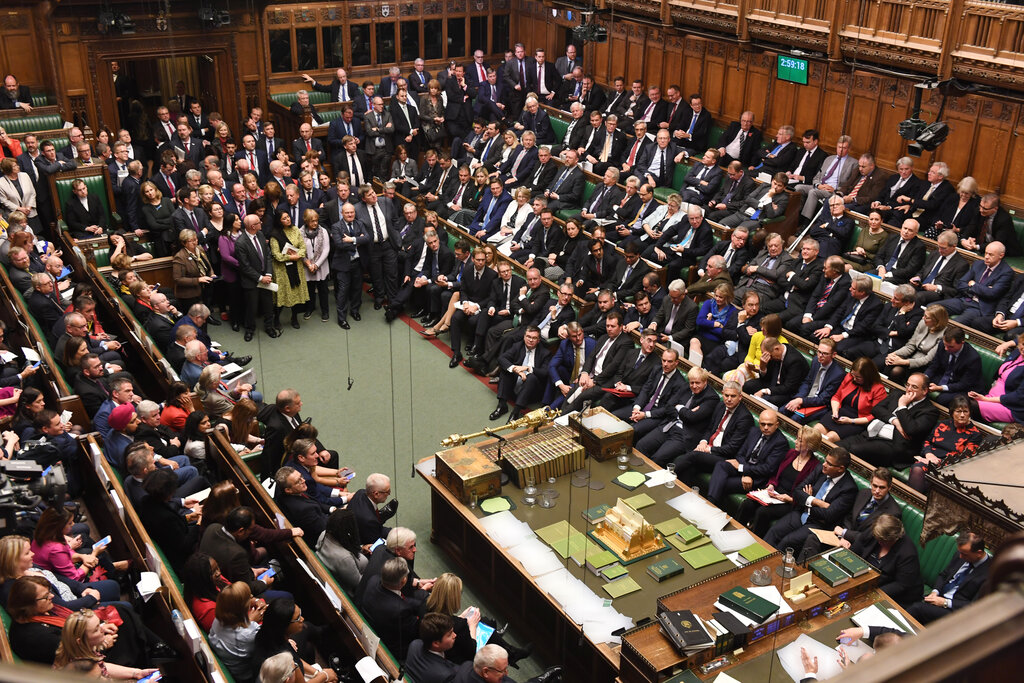
Parliamentary systems are more flexible. A government's tenure depends on it maintaining the 'confidence' of the parliament. If the prime minister loses the support of the majority, they can be removed through a . This ensures the government is always responsive to the legislature.
This flexibility comes with its own stability risks. In countries with many political parties, no single party may win an outright majority. They must form coalition governments, banding together to create a legislative majority. These coalitions can be fragile. If a junior partner withdraws its support, the government can collapse, triggering new elections. While this gives smaller parties significant influence, it can also lead to frequent changes in government and policy instability.
How Votes Translate to Power
The electoral system itself plays a huge role in these dynamics. Most presidential systems, and some parliamentary ones like the UK, use a "first-past-the-post" system. In each district, the candidate with the most votes wins, even if they don't have over 50%. This system tends to create two dominant political parties and stable, single-party governments. However, it can feel unrepresentative, as votes for losing candidates are essentially wasted.
Many parliamentary systems use . The percentage of seats a party gets in parliament directly reflects the percentage of the national vote it received. This system is highly representative and allows many smaller parties to gain a foothold in the legislature. It is the primary reason coalition governments are so common. The tradeoff is that it can lead to fragmented parliaments where no single party is strong enough to lead effectively, resulting in the instability discussed earlier.
Ultimately, the choice between these systems reflects a country's priorities: the speed and decisiveness of a fused system, or the checks, balances, and deliberation of a separated one.
Let's test your understanding of these governmental tradeoffs.
What is the core tradeoff between a presidential system and a parliamentary system?
A key feature of a presidential system is the separation of powers. What does this mean in practice?
Each system presents a different answer to the fundamental question of how to best represent the will of the people while governing effectively.