Mechanics of Illicit Finance and Anti-Money Laundering
Advanced Layering Strategies
The Corporate Shell Game
The layering stage of money laundering is about creating distance and confusion. Sophisticated criminals don't just move money from one account to another; they weave it through a complex web of corporate entities spread across multiple countries. The goal is to make the audit trail so convoluted that investigators give up or run out of resources.
This starts with establishing shell companies in jurisdictions with strict banking secrecy laws and minimal corporate transparency. Think of places where creating a company requires little more than a small fee and a name. A single illicit fund might be broken up and passed through dozens of these entities in a chain. Money from a drug sale in Mexico could be wired to a shell company in Panama, which then pays a fictitious invoice to another shell company in Cyprus, which then invests in a real estate project through a firm in Hong Kong. Each step adds a layer of seeming legitimacy.
The attorneys, accountants and money managers create shell companies, trusts, foundations and other entities in countries that have little or no taxes and are lenient when it comes to asking questions about the flow of money.
To further obscure the connections, launderers use —individuals paid to lend their names to official company documents without having any real control or knowledge of the business's activities. This makes identifying the true beneficial owner, the person who ultimately profits and controls the assets, nearly impossible. These networks can be incredibly effective, as seen in schemes like the , where billions of dollars were moved out of Russia through a network of at least 75 interconnected shell companies.
Decentralized Finance Exploits
The rise of decentralized finance (DeFi) has opened a new frontier for money launderers. While blockchain transactions are public, the anonymity of wallets provides a powerful shield. A key technique that has emerged is 'chain-hopping.' Instead of just moving funds between different wallets on the same blockchain, criminals move assets across different blockchains entirely.
This is accomplished using cross-chain bridges and decentralized exchanges. For example, illicitly obtained Ethereum (on the Ethereum blockchain) can be sent to a bridge, converted into a 'wrapped' version of the asset, and transferred to another blockchain like Solana or Avalanche. From there, it can be swapped for a different cryptocurrency, and the process can be repeated multiple times. Each hop adds another layer of complexity, making it exponentially harder to trace the funds from their criminal source to their final destination.
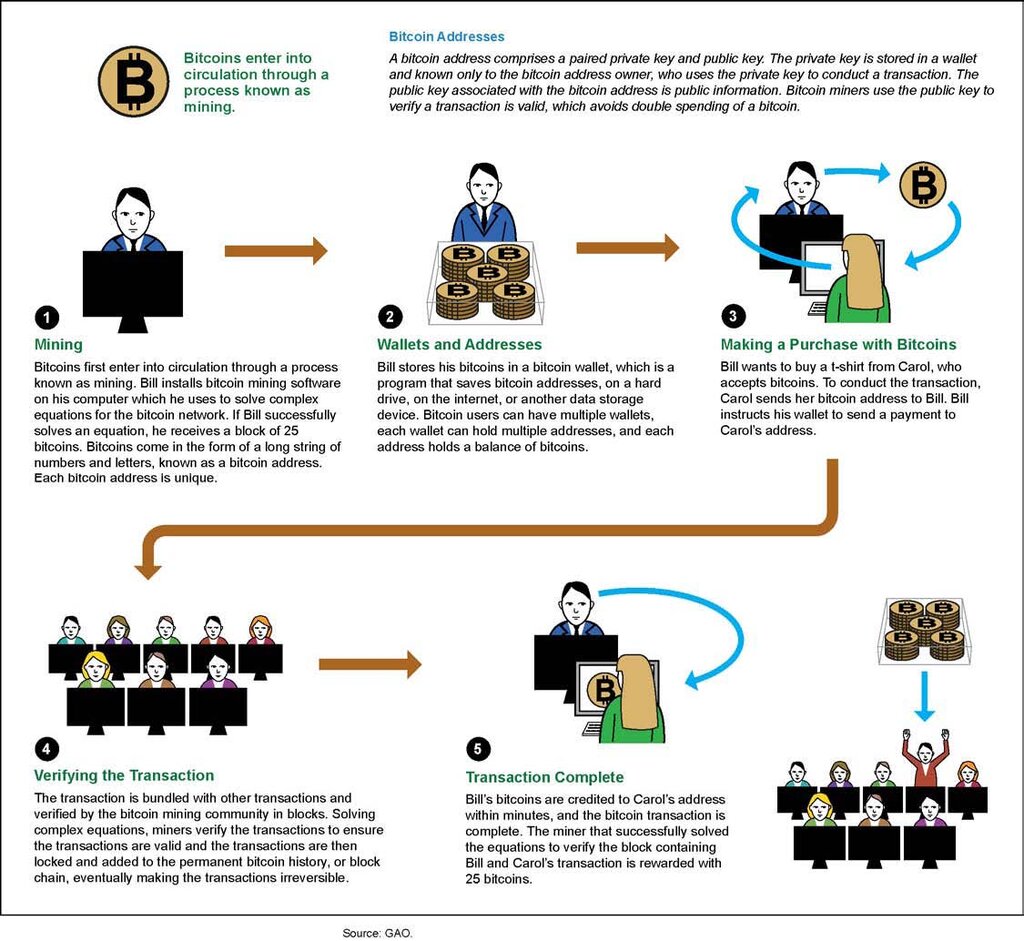
In 2024, enforcement actions have increasingly focused on platforms that facilitate these activities. The cases against Binance and BitMEX, while addressing a range of compliance failures, underscored the regulators' growing concern over the use of crypto exchanges for layering illicit funds. The platforms were accused of having weak 'Know Your Customer' (KYC) and Anti-Money Laundering (AML) controls, which allowed criminals to move vast sums of money with relative anonymity.
The Service Industry of Crime
Layering is no longer an amateur game. The complexity of these schemes has given rise to 'Money Laundering as a Service' (MLaaS). MLaaS providers are professional organizations that, for a fee or a percentage of the assets, will handle the entire layering process. They offer access to pre-established networks of shell companies, complicit financial institutions, and crypto-mixing services.
These services essentially productize financial crime. A criminal group can simply hand off their illicit funds and receive 'clean' cash on the other side, with the MLaaS provider handling all the intricate steps in between. This includes creating 'ghost' transactions—fake invoices, loan agreements, and consulting fees—that provide a plausible, albeit entirely fabricated, paper trail for the movement of funds. This business model makes it incredibly difficult for law enforcement to target the original criminals, as they are insulated by layers of professional intermediaries.
By outsourcing the layering process, criminals can focus on their primary illegal activities while benefiting from the specialized expertise of MLaaS providers.
Time to see what you've learned about these advanced techniques.
What is the primary goal of the layering stage in money laundering?
To hide the true beneficial owner of a shell company, launderers often use individuals paid to lend their name to official documents without having any real control. What are these individuals called?
These advanced layering strategies show how criminals adapt to new technologies and regulatory environments, constantly finding new ways to obscure the origins of illicit wealth.