Mechanical vs Automatic Watches
Watch Movements
The Heart of the Watch
Inside every watch is a complex mechanism that makes it tick. This internal engine is called the movement. It powers the hands, tracks the time, and runs any other features the watch might have, like the date or a stopwatch.
The movement is the “engine” of the watch, available primarily as mechanical (manual or automatic) and quartz.
While we've already covered quartz movements, which are powered by batteries, this section will focus on the traditional craft of mechanical watchmaking. These movements are marvels of engineering, relying on springs and gears working in harmony.
Mechanical Movements
A mechanical watch doesn't need a battery. Its power comes from a tightly wound spring called the mainspring. To keep the watch running, you have to wind this spring by hand, usually by turning the crown on the side of the watch. This is why they're often called manual-wind or hand-wound watches.
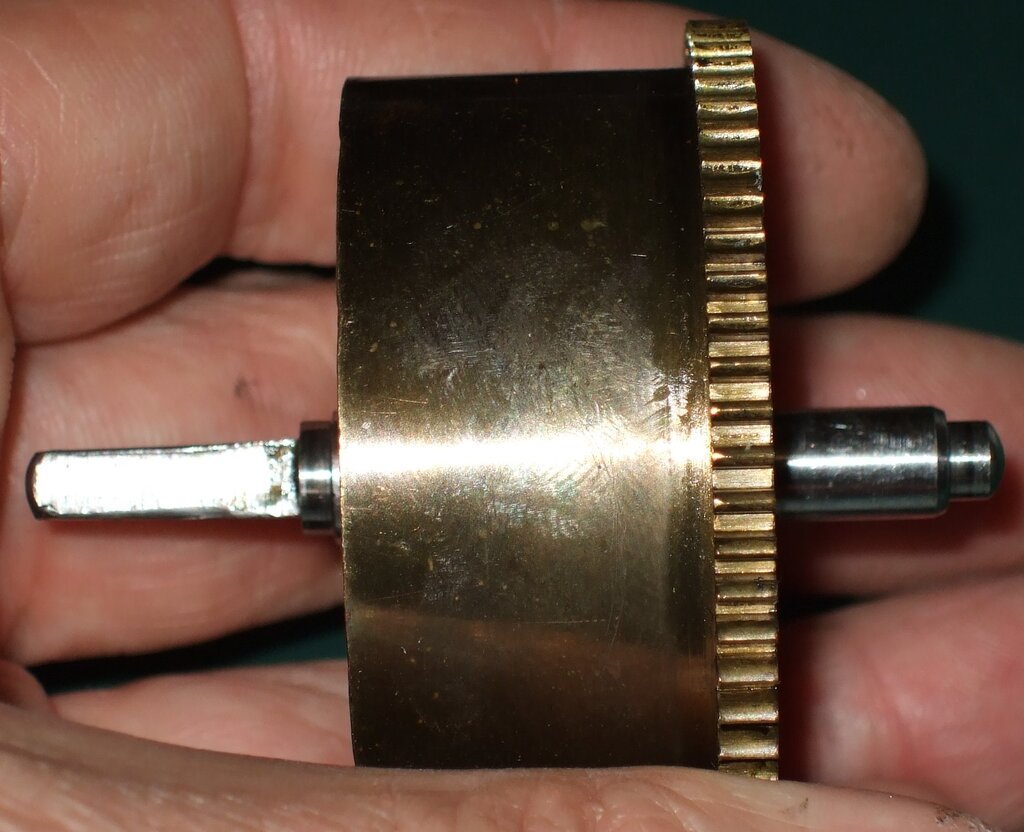
The movement is a system for carefully releasing the energy from the mainspring to tell time accurately. It consists of four key parts working together.
- Mainspring: Stores the energy.
- Gear Train: A series of gears that transfers the energy.
- Escapement: Releases the energy in tiny, controlled bursts.
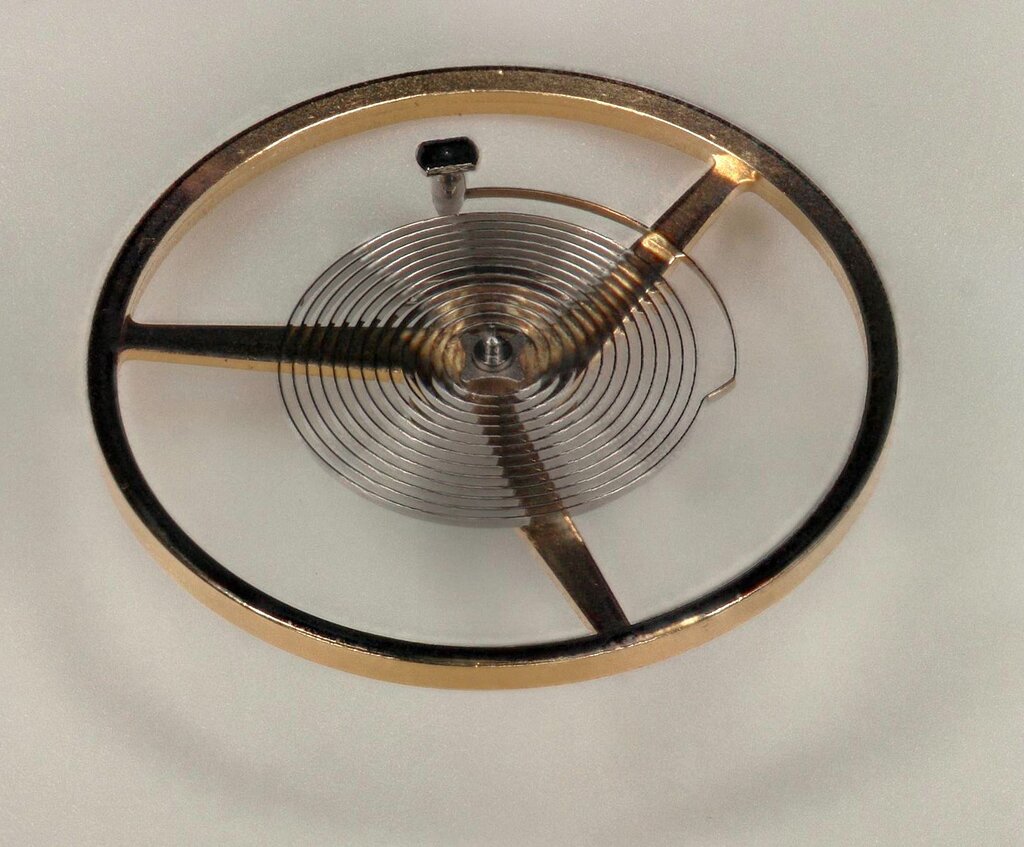
- Balance Wheel: The timekeeping part, which oscillates back and forth at a precise rate.
Think of it like a controlled cascade. The mainspring wants to unwind all at once, but the gear train and escapement hold it back. The escapement gives the balance wheel a little nudge with each tick, and the balance wheel’s steady rhythm dictates the speed of the hands on the dial.
Automatic Movements
An automatic movement is a clever twist on the mechanical design. It's still powered by a mainspring, but you don't have to wind it by hand every day. Instead, it winds itself using the natural motion of your wrist.
Rotor
noun
A weighted, semi-circular piece of metal that pivots freely inside an automatic watch. The motion of the wearer's wrist causes it to spin, which in turn winds the mainspring.
At the heart of an automatic, or self-winding, watch is a component called the rotor. It's a weight that swings back and forth as you move. This spinning motion is connected to the mainspring, keeping it wound without you ever having to touch the crown.
If you take an automatic watch off and leave it still, it will eventually run out of power, just like a mechanical watch. But as long as you wear it regularly, it will keep on ticking.
The fundamental difference is simple: a mechanical watch requires you to wind it by hand, while an automatic watch uses your body's motion to wind itself.
Both movements represent a beautiful, battery-free way to tell time, relying on centuries-old principles of springs, gears, and precision engineering.