Mechanical Engineering for Structural Failure Analysis
Introduction to Structural Failures
Why Things Break
In engineering, nothing is more important than ensuring a design is safe and reliable. Yet, sometimes, structures fail. Bridges collapse, wings crack, and pipes burst. Understanding why these failures happen is a core responsibility for any mechanical engineer. It's not just about preventing catastrophic collapses; it's about designing products and systems that last.
Structural analysis is a branch of engineering focused on evaluating how structures respond to external loads, forces and conditions.
A structural failure occurs when a component or structure no longer performs its intended function. This doesn't always mean a dramatic explosion or collapse. Sometimes, a failure is as simple as a part bending permanently out of shape. By studying the different ways things can break, we can design them to not break at all.
Modes of Failure
Failure isn't a single event. It's a process that can unfold in several distinct ways, known as failure modes. Each mode has a unique signature and is caused by different types of stress and environmental conditions. Let's look at the most common ones.
Yielding
verb
The point at which a material begins to deform permanently under stress.
Imagine bending a paperclip. If you only bend it a little, it springs back to its original shape. This is called elastic deformation. But if you bend it too far, it stays bent. That permanent change in shape is yielding. While the part hasn't broken, it has failed because it can no longer hold its intended shape and dimensions.
Fracture
noun
The separation of a solid body into two or more pieces under the action of stress.
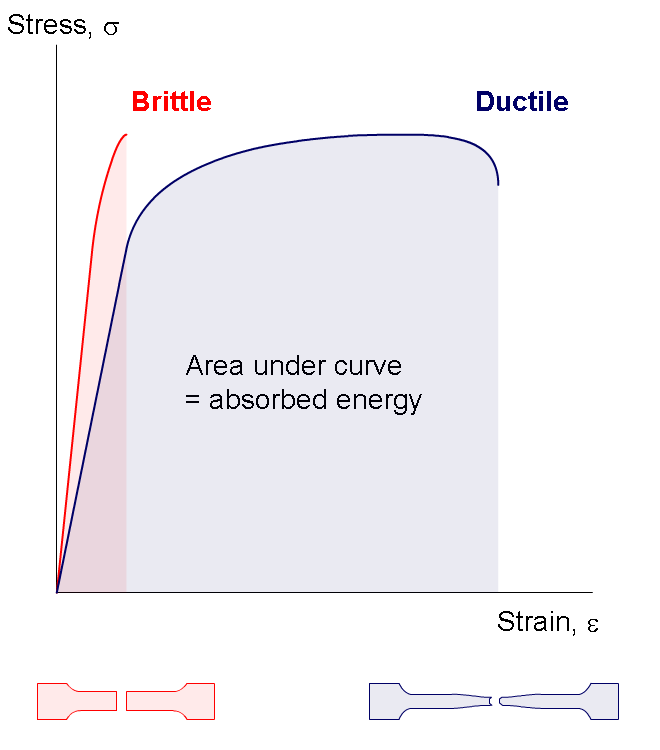
Fracture is what most people think of when they hear "failure." It's the physical separation of a material. Materials can fracture in different ways. Ductile materials, like many metals, will stretch and deform significantly before breaking. Brittle materials, like glass or cast iron, shatter suddenly with little to no warning.
Fatigue
noun
The weakening of a material caused by repeatedly applied loads.
Fatigue is a sneaky type of failure. It happens when a material is subjected to cyclic loading—stress that is applied and removed over and over. Bend a paperclip back and forth enough times, and it will eventually snap. The scary part is that fatigue can cause a fracture even when the stress applied is much lower than the material's yield strength. This makes it a major concern for anything that moves or vibrates, like engines, aircraft, and bridges.
Buckling
verb
A sudden sideways failure of a structural member subjected to high compressive stress.
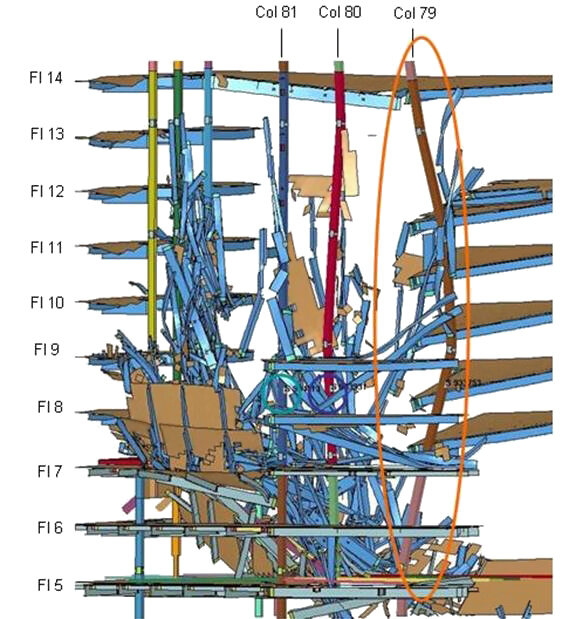
Take a plastic ruler and push down on its top end. Before it breaks, it will likely bow outwards in a curve. This is buckling. It’s a failure of stability, not necessarily material strength. It happens to long, slender components under compression. A column in a building might be strong enough to handle a certain load, but if it's too thin, it can buckle and collapse suddenly.
Creep
verb
The tendency of a solid material to move slowly or deform permanently under the influence of persistent mechanical stresses.
Creep is a time-dependent deformation. It happens when a material is under a constant load for a long time, especially at high temperatures. Think of a bookshelf that sags over the years under the weight of books. Creep is a major concern in high-temperature applications like jet engine turbine blades or power plant piping, where materials can slowly stretch and distort over time, eventually leading to failure.
Learning from Mistakes
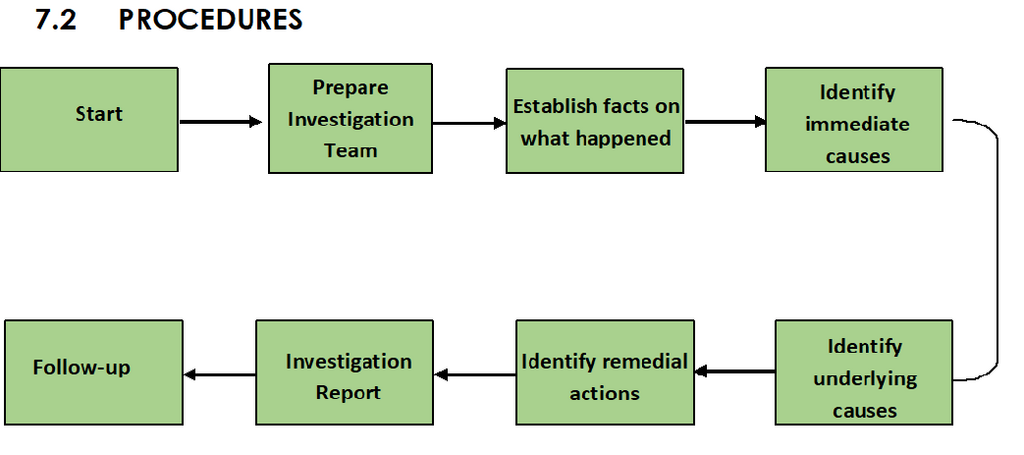
When a structure fails, engineers conduct a failure analysis to figure out what went wrong. This forensic investigation involves examining the broken parts, analyzing the design, and considering the operating conditions. The goal is to identify the root cause—was it a design flaw, a manufacturing defect, material degradation, or unexpected overloading?
By understanding past failures, engineers can improve future designs. Every broken component tells a story. Learning to read those stories is what separates good engineering from great engineering. It's how we build a safer, more reliable world.