Measuring Installed Large Diameter Flanges
Measurement Tools
Measuring Big Flanges
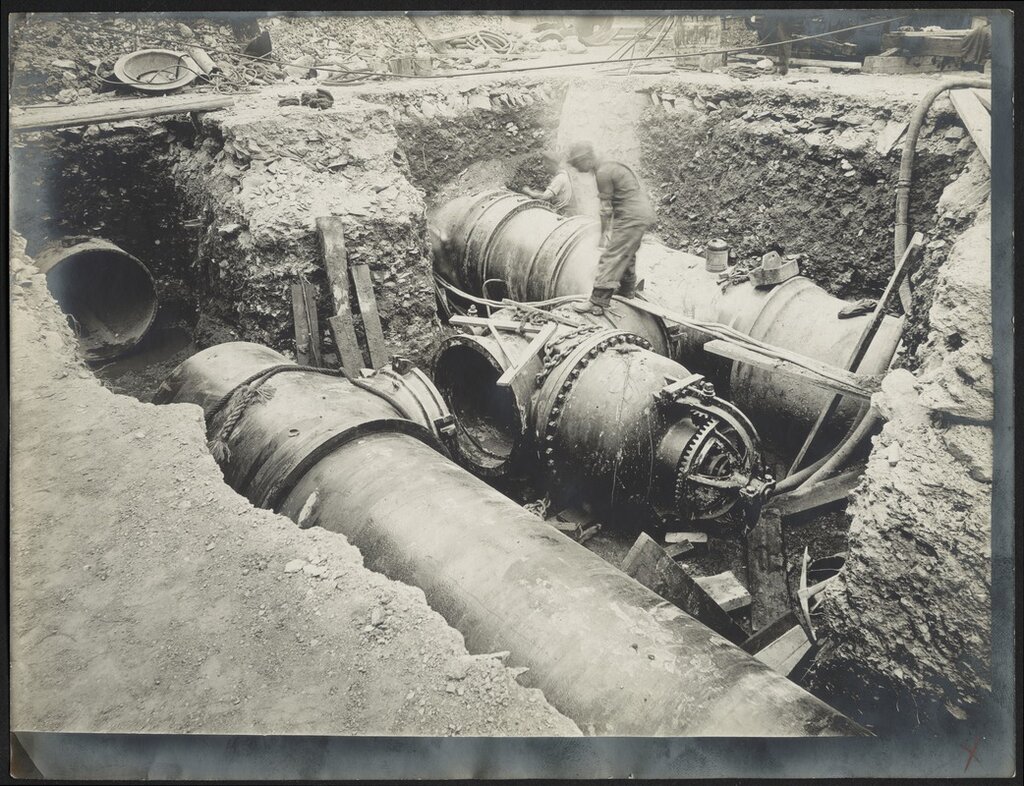
Measuring a small part on a workbench is straightforward. But what about a 36-inch flange that's already part of a massive, active pipeline? It’s a different challenge. You can't just pick it up. Access might be tight, and accuracy is critical for planning repairs or replacements. Let's look at the tools for this big job.
The Tape Measure Method
The simplest tool is often a flexible tape measure. For flanges, a special type called a Pi tape is ideal because it has two scales: one for circumference and another that directly shows the diameter, saving you a calculation.
If you only have a standard tape measure, you can wrap it snugly around the flange to find its circumference. Make sure the tape is level and flat against the surface. Once you have the circumference, you can find the diameter using a simple formula.
This method is quick and uses a common tool. However, its accuracy depends entirely on how well you position the tape. If there are other pipes, walls, or bolts in the way, getting a clean, level wrap can be nearly impossible. This approach also averages out the shape, so it won't detect if the flange is slightly oval or warped.
Calipers for the Big Jobs
For a more direct diameter measurement, you can use large-scale calipers. These aren't the small handheld calipers you might see in a machine shop. Large vernier or digital calipers have long jaws that can reach across the entire face of a big flange.
You simply open the jaws, place them on the widest points of the flange, and read the measurement. This method is generally more accurate than using a tape measure because it measures the diameter directly.
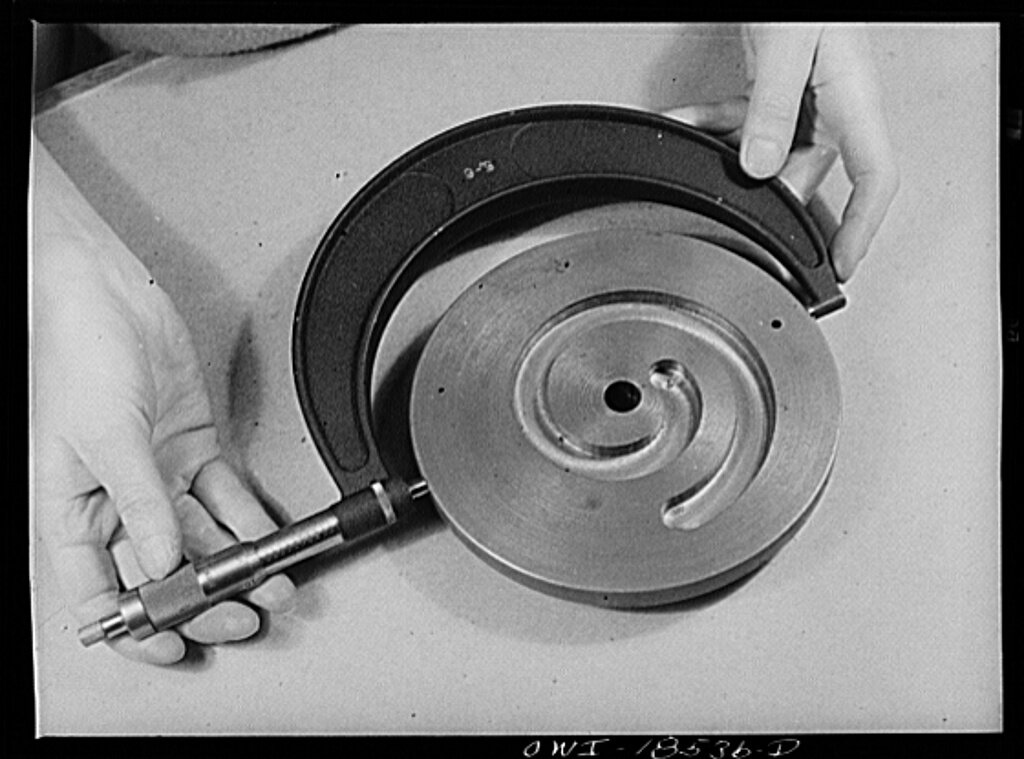
The main drawback is accessibility. These tools are bulky and need enough clearance around the flange to be positioned correctly. If the flange is tucked away in a corner or surrounded by other equipment, you might not be able to get the calipers in place. You also need to take several measurements at different angles to check if the flange is perfectly circular.
Look, No Hands
When you can't get close or need extreme precision, non-contact tools are the solution. Laser measurement devices, for instance, can determine diameter without ever touching the flange.
A simple laser distance meter can be used. By taking measurements from a fixed point to the near and far edges of the flange, you can calculate the diameter. More advanced laser scanners project a line or grid of light onto the object and use a sensor to map its surface in three dimensions.
This method is excellent for inaccessible flanges or when working in hazardous environments where minimizing physical contact is important.
Building on this concept is 3D scanning. These devices capture millions of data points to create a complete, high-resolution digital model of the flange and its surroundings. This is the most accurate method available and is perfect for complex or irregular shapes. A 3D scan can reveal not just the diameter, but also any warping, surface defects, or alignment issues.
The main limitations are cost and complexity. The equipment is expensive, and operating it requires specialized training. Processing the vast amount of data also takes time and powerful software.
| Tool | Best For | Limitations |
|---|---|---|
| Tape Measure | Quick estimates, easy access | Low accuracy, affected by obstructions |
| Large Calipers | Direct, accurate readings | Bulky, requires good clearance |
| Laser Scanner | Inaccessible or hazardous locations | Can be complex to set up for simple diameter |
| 3D Scanner | Highest accuracy, complex shapes | Expensive, requires special training |
Before starting a job, think about the situation. Do you need a quick check or a highly precise engineering model? Is the flange easy to reach or tucked behind other machinery? Choosing the right tool from the start saves time and ensures you get the exact measurement you need.
What is the primary advantage of using a Pi tape to measure a large circular object like a flange?
If you measure the circumference (C) of a flange with a standard tape measure, which formula would you use to calculate its diameter (d)?