MCP in AI
Introduction to AI in Urban Safety
What Is Artificial Intelligence?
Artificial intelligence, or AI, is the ability of a computer or robot to do tasks that are usually done by humans because they require human intelligence. Think of it as teaching a machine to learn, reason, and solve problems on its own. It's not a new idea; the concept has been around for decades, evolving from simple rule-based systems to complex networks that can learn from vast amounts of data.
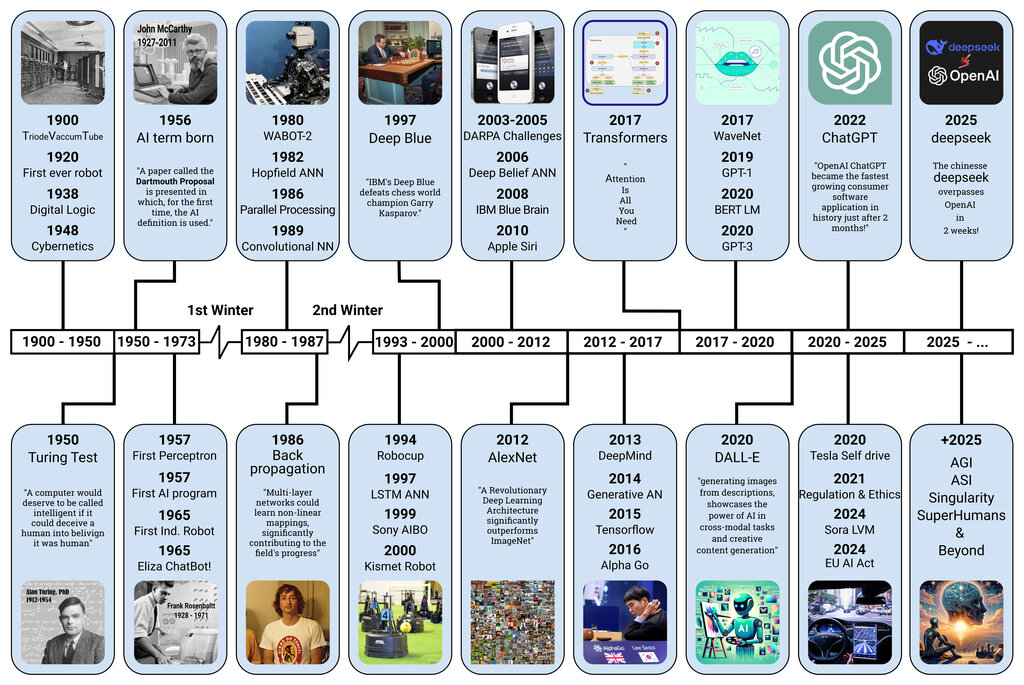
Early AI could perform specific, limited tasks, like playing a game of chess. Today, AI is much more sophisticated. It can understand spoken language, recognize faces in a crowd, and even drive a car. This leap is thanks to machine learning, a subset of AI where systems learn patterns from data without being explicitly programmed for every possible scenario.
AI in the City
Modern cities are complex systems with millions of moving parts. AI is increasingly being used as a tool to help manage this complexity, making urban environments smarter and more efficient. It’s the behind-the-scenes brainpower that can optimize traffic flow, manage energy grids, and even streamline waste collection.
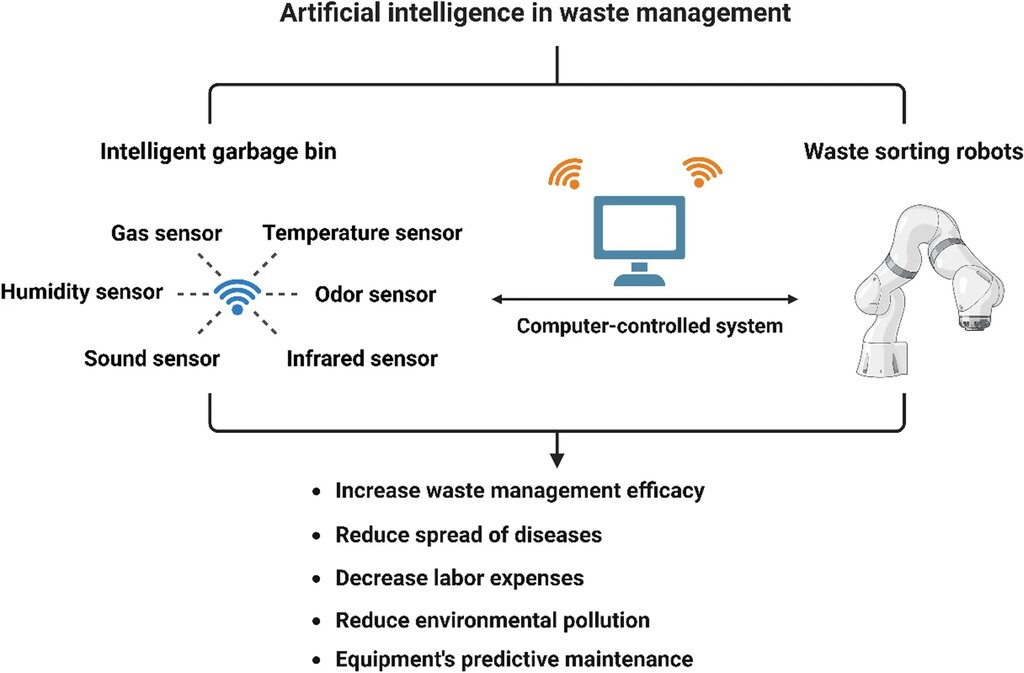
For example, intelligent transportation systems use AI to analyze real-time traffic data from cameras and sensors. This allows them to adjust traffic light timings dynamically, reducing congestion and cutting down on commute times. In public transit, AI helps predict rider demand, ensuring that buses and trains are available where and when they are needed most.
Safer Streets with AI
Beyond convenience, one of the most significant applications of AI in cities is enhancing public safety. By processing information from various sources much faster than humans can, AI systems provide powerful tools for law enforcement and emergency services.
A key benefit of AI in public safety is its ability to identify patterns in data that might otherwise go unnoticed, helping to prevent incidents before they occur.
In many cities, AI helps power emergency response systems. When a call comes in, AI can instantly analyze the location, identify the nearest available emergency unit, and provide the fastest route, shaving critical minutes off response times. Some systems can even analyze camera feeds to detect accidents or fires automatically, dispatching help without waiting for a human report.
For crime prevention, AI analyzes historical crime data to identify hotspots where incidents are more likely to occur. This allows police departments to allocate their resources more effectively, increasing their presence in high-risk areas. For example, the city of Chicago has used AI-driven analysis to help understand patterns of gun violence, guiding their patrol strategies.
Another example comes from Santa Cruz, California, which was one of the first cities to experiment with software that predicted locations for property crimes like car break-ins. By deploying officers to these predicted areas, they saw a notable drop in such incidents. These systems don't predict who will commit a crime, but rather where and when certain types of crime are more likely to happen based on past events.
What is the primary goal of artificial intelligence?
A subset of AI where systems learn patterns from data without being explicitly programmed for every possible scenario is known as _________.
AI is becoming an integral part of how modern cities operate, offering innovative ways to improve efficiency and safety for everyone.