MCP Framework in Enterprise
Introduction to MCP
A Universal Language for AI
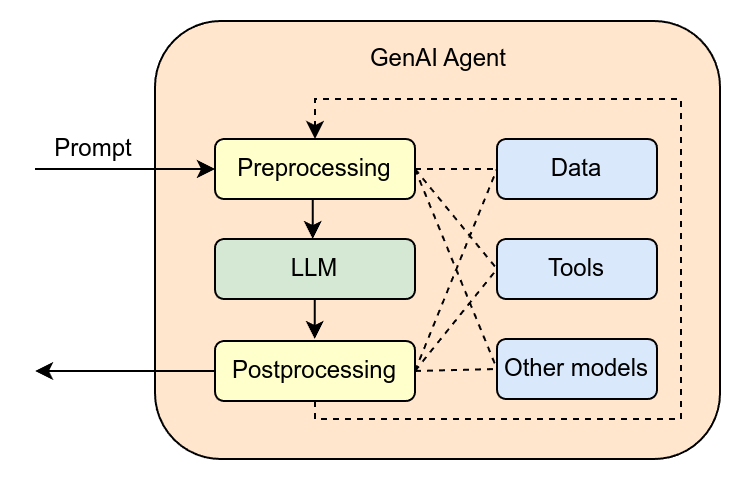
Large language models (LLMs) are incredibly powerful, but for a long time, they were like brilliant minds locked in an empty room. They could process information and generate text, but they struggled to interact with the world outside their own programming. Connecting an AI to a simple database, a company's internal software, or even just the files on a computer required custom, one-off solutions for every single tool.
It was like needing a different power adapter for every device you own. The process was messy, inefficient, and slowed down innovation.
The Model Context Protocol (MCP) solves this problem. Introduced by Anthropic in November 2024, MCP is an open standard—a shared set of rules—that lets AI systems communicate with external tools and data sources. Think of it as a universal translator or a USB-C port for AI. Instead of building countless custom bridges, developers can use one standard protocol to connect any AI to any tool.
This simple but powerful idea was quickly embraced. Major AI providers, including OpenAI and Google DeepMind, adopted the standard, recognizing its potential to create a more interconnected and capable AI ecosystem. It allows different systems to work together seamlessly, a concept known as interoperability.
The Core Components
MCP isn't a single piece of software. It's a framework built on a few key pillars that work together.
MCP is not a software library or a single product, but a communication protocol – a set of rules and interfaces that different AI components agree to follow.
First is the protocol specification. This is the rulebook. It defines exactly how an AI (the client) should ask for information and how an external tool (the server) should respond. This ensures everyone is speaking the same language.
Second are the Software Development Kits (SDKs). To make it easy for developers to use MCP, ready-made toolkits are available for popular programming languages like Python, JavaScript, and Go. These SDKs handle the complex parts of the communication, so a developer can focus on what they want their AI to do, not on the low-level details of how it connects to a tool.
Finally, there's a growing repository of open-source MCP server implementations. These are pre-built connectors for common tools and databases. If you want your AI to read a Google Sheet or query a SQL database, there's a good chance a ready-to-use MCP server already exists.
Together, these components create a system where an LLM can do more than just talk. It can read files, analyze data from a live database, or trigger actions in other applications, all through a secure and standardized channel.
Now, let's test your understanding of these foundational ideas.
What is the primary problem the Model Context Protocol (MCP) was designed to solve?
The text compares MCP to a "universal translator or a USB-C port for AI." What key concept does this analogy illustrate?
By providing a common ground for communication, MCP helps unlock the true potential of AI, allowing models to become active, helpful participants in our digital workflows.