MCB MCCB MPCB Explained
Introduction to Circuit Breakers
The Safety Switch in Your Walls
Think of an electrical circuit like a highway for electricity. When everything is normal, traffic flows smoothly. But if too many cars get on the road at once, you get a traffic jam. Or worse, if there’s a major accident, the whole highway can get blocked. In your home's wiring, these problems are called overloads and short circuits.
An overload happens when you plug too many devices into a single circuit. A hairdryer, a microwave, and a toaster all running at once might draw more power than the wires can safely handle. The wires get hot, which can melt their plastic insulation and create a fire hazard.
A short circuit is more dramatic. It happens when electricity finds a low-resistance shortcut. This could be due to frayed wiring or a faulty appliance. This shortcut allows a massive, almost instantaneous surge of current to flow, creating intense heat that can easily start a fire.
A circuit breaker is an automatic safety switch designed to prevent these situations. Its job is simple: monitor the flow of electricity and, if it detects a dangerous level of current, instantly cut the power.
Think of a circuit breaker as an automatic safety switch for electrical systems.
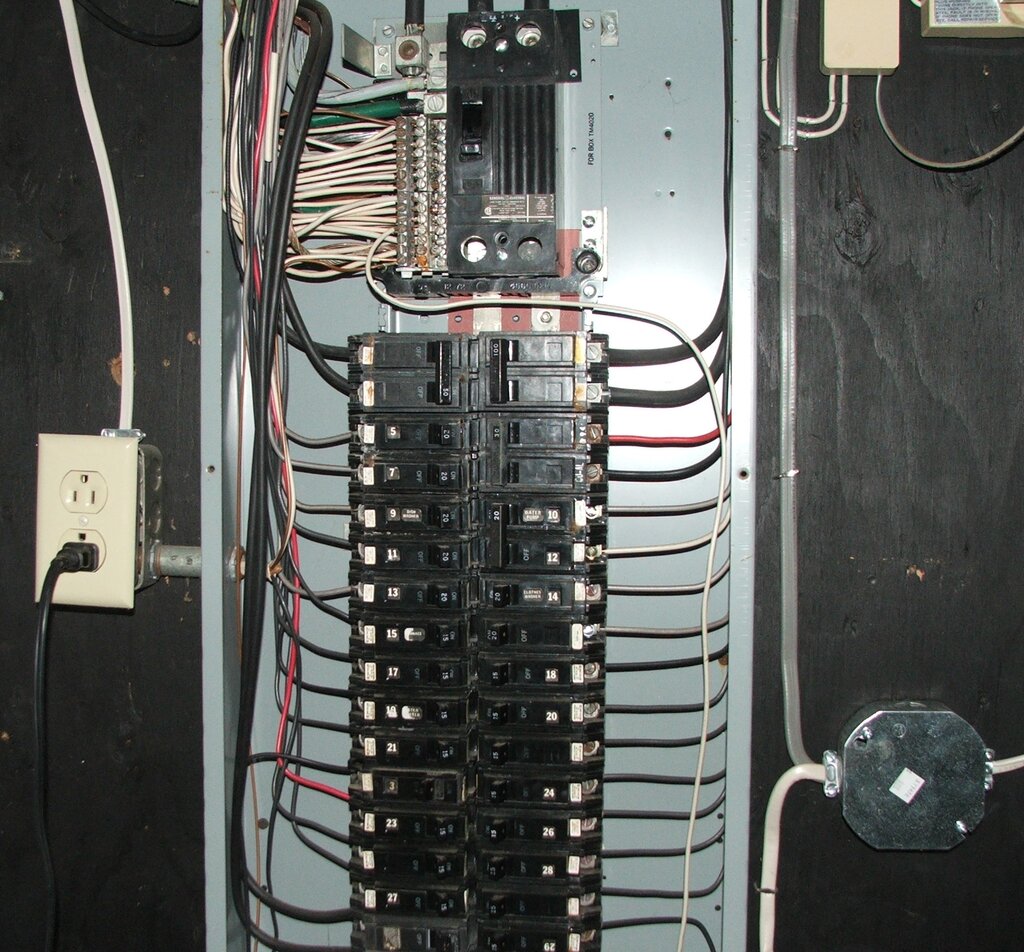
How a Breaker Trips
A circuit breaker is always on guard. In its 'On' position, a set of internal contacts are held together, allowing current to pass through. When it 'trips,' a mechanism forces these contacts apart, breaking the circuit and stopping the flow of electricity. This tripping action is usually triggered in one of two ways, often combined within the same breaker.
For Overloads: A Thermal Trip To handle the slow, steady heat of an overload, breakers use a bimetallic strip. This is a small piece of metal made from two different types of metal bonded together. As the circuit overloads, the strip heats up. Since the two metals expand at different rates, the strip bends. If it bends far enough, it releases a latch, tripping the breaker.
For Short Circuits: A Magnetic Trip Short circuits require a much faster response. For this, breakers use an electromagnet. The massive surge of current from a short circuit creates a powerful magnetic field in a coil inside the breaker. This field instantly pulls on a metal armature, which trips the same latch with much greater speed than the thermal strip.
Once a breaker is tripped, it must be manually reset. This usually involves flipping the switch back to the 'On' position. However, it's important to first unplug some devices or fix the underlying wiring issue that caused it to trip in the first place.
Different Breakers for Different Jobs
Just as there are different types of roads for different traffic needs, there are different types of circuit breakers for different electrical hazards. While they all protect against overcurrent, some have specialized functions.
| Breaker Type | Primary Function | Where It's Used |
|---|---|---|
| Standard | Overcurrent Protection | General lighting and outlet circuits |
| GFCI | Shock Protection | Kitchens, bathrooms, garages (wet areas) |
| AFCI | Fire Protection (from arcs) | Bedrooms, living rooms, common areas |
A GFCI, or Ground Fault Circuit Interrupter, is designed to protect people from electric shock. It constantly monitors the amount of current flowing out and the amount returning. If it detects even a tiny imbalance, it assumes the electricity is leaking out—potentially through a person—and shuts off the power in a fraction of a second.
An AFCI, or Arc-Fault Circuit Interrupter, listens for the specific electrical signature of an arc fault. These dangerous sparks can occur in damaged or loose wiring and are a common cause of electrical fires. An AFCI breaker will trip when it detects this arcing, even if the current isn't high enough to trip a standard breaker.
What is the key difference between an electrical overload and a short circuit?
What is the primary function of a standard circuit breaker?
Circuit breakers are the silent, automatic guardians of your home's electrical system, working constantly to prevent overloads and short circuits from causing damage or fire.