MBA-Level Restaurant Management
Introduction to Restaurant Management
The Art of Restaurant Management
Managing a restaurant is about more than just serving food. It's about creating an experience. Unlike other businesses that sell products, a restaurant sells an atmosphere, a memory, and a feeling. For a privately-owned restaurant with a team of around 80 people, this task is both intimate and complex. The manager is the director of this daily performance, ensuring every detail contributes to a cohesive and enjoyable experience for the guest.
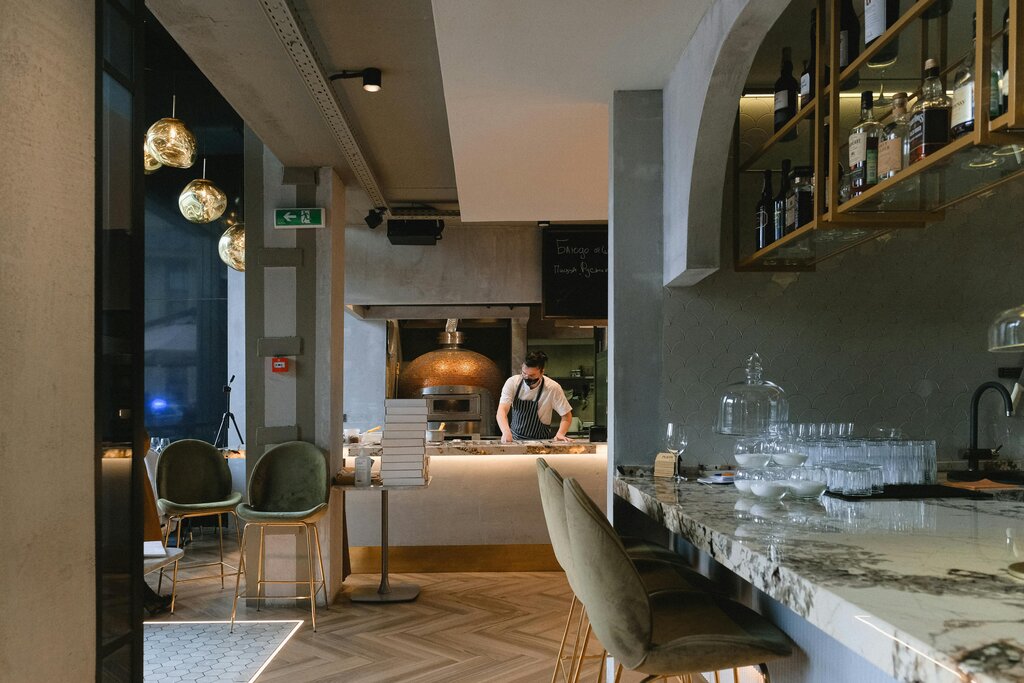
The restaurant industry is fast-paced and competitive. Success depends on a clear identity and consistent execution. This is where the foundational principles of management come into play, starting with a clear purpose.
More Than Just Food
Before you can manage operations, you need to know what you're trying to achieve. Every successful restaurant is built on a strong mission and vision. These aren't just corporate buzzwords; they are the guiding principles for every decision, from the menu's design to how staff greets customers.
A mission statement defines the restaurant's purpose. It answers the questions: What do we do? Who do we do it for? How do we do it? It's practical and grounded in the present.
A vision statement is about the future. It describes the ultimate impact the restaurant hopes to have. It answers the question: Why do we do what we do? It's aspirational and provides motivation.
Think of it this way: The mission is your restaurant's promise for today. The vision is its dream for tomorrow.
For example, a farm-to-table bistro might have a mission to "craft unique, high-quality dishes using locally sourced ingredients for our community." Its vision might be to "become a cornerstone of the local food movement, connecting diners with the farmers who feed them."
This clarity guides everything. When a supplier offers cheaper, imported vegetables, the manager can refer to the mission and make the right choice. When hiring a chef, they can look for someone who shares the restaurant's vision.
The Manager's Role
The restaurant manager is the person responsible for bringing the mission and vision to life. In a privately-owned establishment, the manager wears many hats. They are a leader, a problem-solver, a mentor, and the ultimate host. Their responsibilities span every aspect of the business, ensuring that the front of house (dining area) and back of house (kitchen) work in perfect harmony.

A manager's duties are diverse and demanding. They oversee everything from staff scheduling and training to inventory management and ensuring compliance with health and safety regulations. Most importantly, they set the tone for the entire restaurant. A calm, organized, and positive manager inspires a team that provides excellent service.
| Area of Focus | Key Responsibilities |
|---|---|
| Front of House | Overseeing service, managing reservations, ensuring dining room cleanliness, interacting with guests. |
| Back of House | Coordinating with the chef, managing inventory, ensuring food quality and safety standards. |
| Staff Management | Hiring, training, scheduling, and motivating all employees (servers, hosts, bartenders, kitchen staff). |
| Customer Satisfaction | Handling complaints, gathering feedback, and ensuring a positive guest experience from start to finish. |
Navigating Daily Challenges
Running a restaurant is a constant exercise in problem-solving. Privately-owned establishments face unique operational hurdles without the support of a large corporate structure.
One of the biggest challenges is consistency. Every dish served and every customer interaction must meet the restaurant's standard of quality. This is difficult to maintain with a large staff and the pressures of a busy service. A kitchen supplier might deliver subpar produce, a key cook might call in sick, or an unexpected rush of diners can strain resources. The manager must be prepared to handle these issues swiftly and effectively.
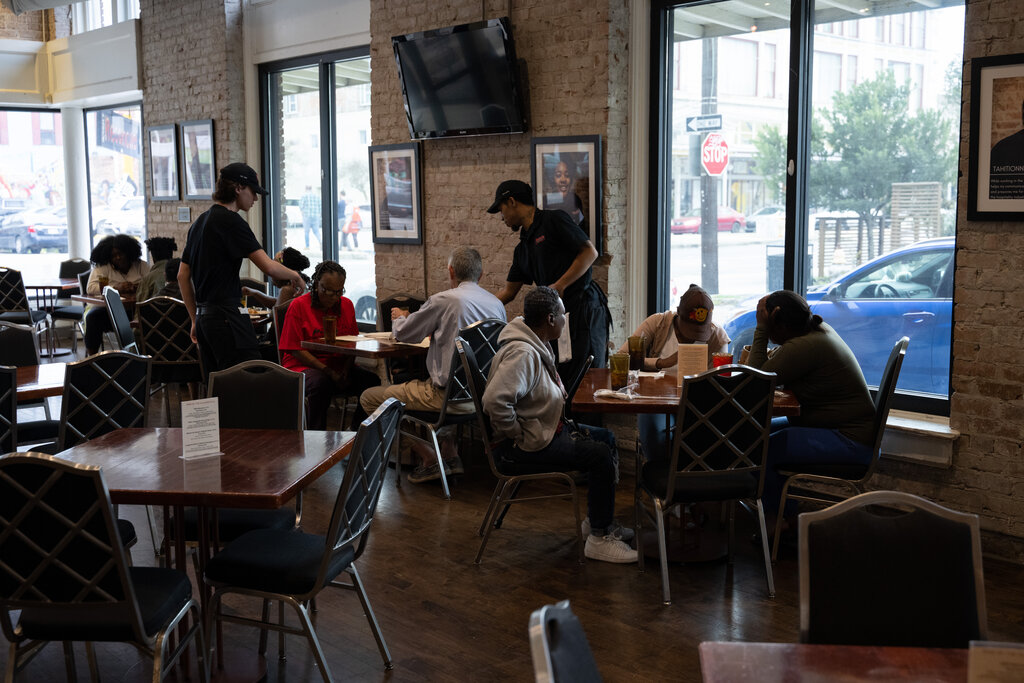
Staffing is another persistent challenge. The restaurant industry is known for high turnover. A manager must be skilled at not only hiring the right people but also creating a positive work environment that encourages them to stay. For an 80-person team, this means fostering a sense of community and providing opportunities for growth.
Finally, adaptability is key. Customer tastes change, new competitors open down the street, and unexpected events can disrupt business. A successful manager is always thinking ahead, anticipating potential problems and looking for opportunities to innovate and improve.
Time to review what you've learned.
What is the primary difference between a restaurant's mission and its vision?
In a privately-owned restaurant, which of the following is NOT listed as a primary operational challenge for a manager?
Great work. Mastering these foundational concepts is the first step toward a successful career in restaurant management.