MBA Entrepreneurship Fundamentals
Introduction to Entrepreneurship
What is Entrepreneurship?
At its heart, entrepreneurship is the act of spotting an opportunity and creating a business to pursue it. An entrepreneur is someone who organizes and operates this business, taking on greater than normal financial risks to do so. They are the drivers of new ideas and ventures in the economy.
This process is vital for economic growth. Entrepreneurs introduce new products and services, create jobs, and often find innovative solutions to everyday problems. Think about the apps on your phone or the local coffee shop you love. Chances are, they started with an entrepreneur who saw a need and decided to fill it. They are the engines of change, pushing industries forward and improving our lives in countless ways.

The Entrepreneurial Journey
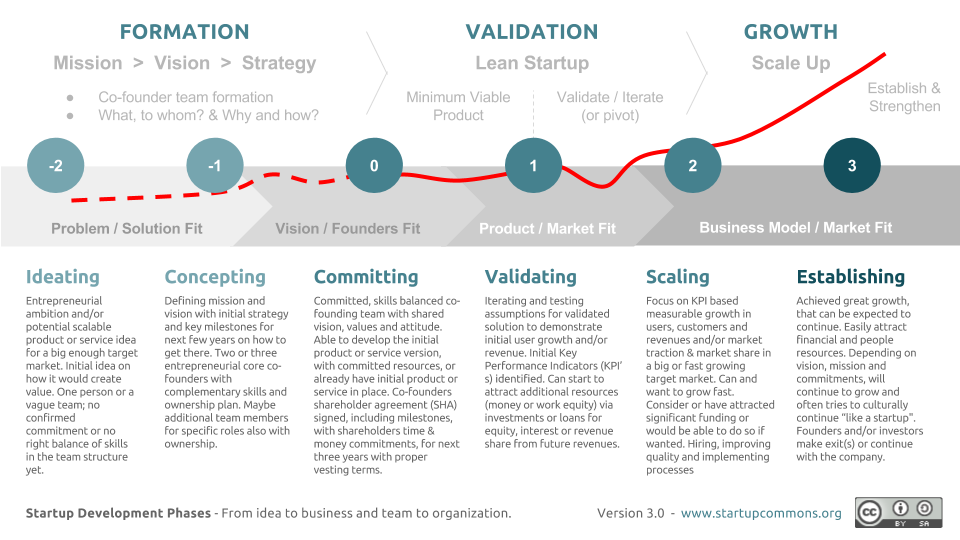
Starting a business isn't a single event; it's a process with distinct phases. While every journey is unique, most follow a similar path from a spark of an idea to a fully functioning company. Understanding these stages can help demystify the process.
The path often involves spotting a problem, testing a potential solution, building a product or service, and then figuring out how to grow.
This journey can be broken down into several key stages. It begins with forming an idea and a concept, then moves into validating that concept in the real world. If the idea proves viable, the entrepreneur commits resources to build it. Finally, the focus shifts to scaling the business and establishing it in the market. Each stage comes with its own set of challenges and milestones.
Busting Common Myths
The idea of the entrepreneur is often romanticized, leading to several persistent myths. Let's clear up a few common misconceptions.
Myth: You need a revolutionary, world-changing idea.
Reality: Many successful businesses are built on simply improving an existing product or service. Making something faster, cheaper, or easier to use can be just as valuable as inventing something completely new.
Myth: Entrepreneurs are born, not made.
Reality: While some people may have a natural inclination towards risk-taking, the key skills of entrepreneurship—like planning, financial management, and leadership—can be learned and developed over time through practice and education.

Myth: You need a lot of money to start a business.
Reality: Many successful companies started with very little capital, a practice known as "bootstrapping." Founders use their own savings or initial revenue to fund growth, avoiding the need for outside investors early on.
Myth: Entrepreneurs are lone wolves who do everything themselves.
Reality: Success in business is a team sport. Building a strong team, finding mentors, and creating a network of supporters are often critical components of an entrepreneur's success.
Now that you understand the basics of what entrepreneurship is and what it isn't, let's test your knowledge.
What is the fundamental act of entrepreneurship?
An entrepreneur has a promising idea for a new app. According to the typical stages of starting a business, what is the most logical next step after forming the initial concept?