Maximizing Your 8-Hour Office Day
Understanding Productivity
What is Productivity?
Productivity is about the relationship between what you put in and what you get out. It's a measure of efficiency. In the simplest terms, it’s about getting meaningful results from your time and effort. It's not about being busy; it's about being effective.
A productive day isn't one where you frantically check off a long list of minor tasks. It's a day where you make real progress on what's most important. Two people might work an eight-hour day, but if one achieves a major project milestone while the other just answers emails, their productivity levels are vastly different.
Productivity
noun
The efficiency of completing a task. It's the measure of output per unit of input, such as labor or time.
Productivity isn’t about doing more activities—it’s about achieving meaningful results by doing the right activities with intention and focus.
Why Productivity Matters
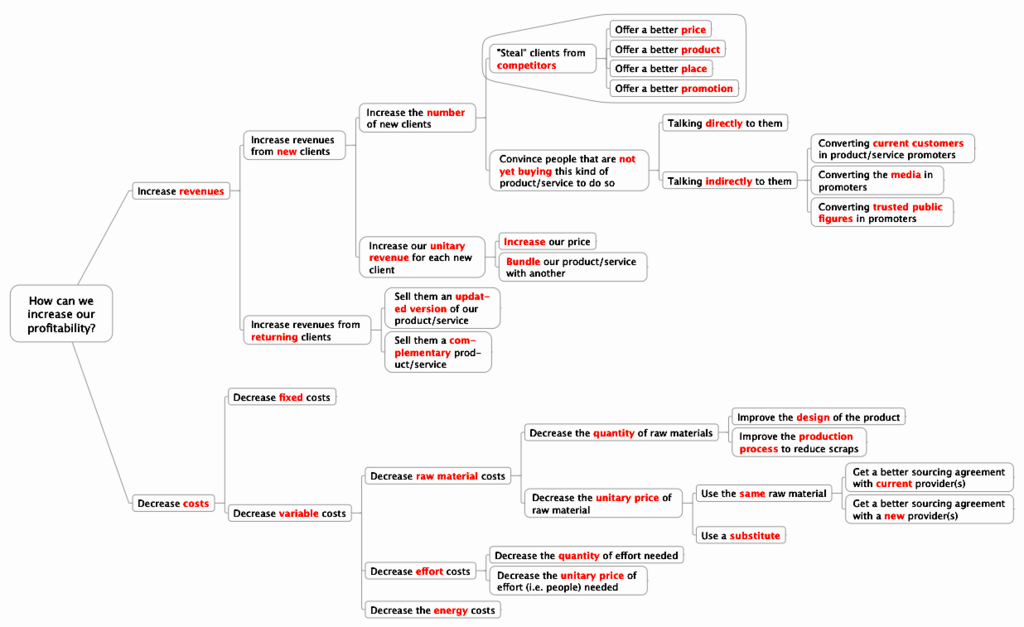
In the workplace, productivity is crucial for both individuals and the organization. For a company, higher productivity leads to better profitability and growth. When teams work efficiently, they can produce more value, innovate faster, and serve customers better. This allows the business to stay competitive and successful.
For you, being productive has direct benefits. It helps you meet deadlines, achieve your goals, and produce high-quality work, which can lead to career advancement. More than that, mastering your workflow reduces stress. When you're in control of your tasks and time, you feel more accomplished and less overwhelmed, improving your overall job satisfaction and work-life balance.
Common Productivity Challenges
Understanding what gets in the way of productivity is the first step to overcoming it. Several common hurdles trip people up.
Distractions: Constant notifications, chatty colleagues, and the lure of social media can break your concentration. Every time you switch tasks, it takes time and mental energy to refocus.
Poor Time Management: Without a clear plan for your day, it's easy to drift from one task to another without making significant progress. This often means urgent but unimportant tasks push aside what's truly a priority.
Lack of Motivation: Sometimes you just don't feel like working. This can stem from burnout, unclear goals, or feeling that your work isn't meaningful. When you're not engaged, your efficiency naturally drops.
Inefficient Workflows: Using outdated tools or following clunky processes can add unnecessary steps to your tasks. A small recurring inefficiency can add up to a huge amount of wasted time over weeks and months.
Recognizing these challenges in your own workday is key. Once you know what's holding you back, you can start to build strategies to address it.
What is the best definition of productivity?
A productive day is best described as one where you...
Now that you understand the fundamentals of productivity, you're ready to explore ways to improve it.