Maximize Your VO2 Max Performance
Understanding VO2 Max
What is VO₂ Max?
VO₂ max is the maximum rate at which your body can take in and use oxygen during intense exercise. Think of it as the size of your physiological engine. A car with a bigger engine can generate more power, and similarly, a person with a higher VO₂ max can deliver more oxygen to their muscles, allowing them to perform at a higher intensity for longer.
VO₂ max
noun
The maximal rate of oxygen consumption measured during incremental exercise. It is commonly expressed in millilitres of oxygen used in one minute per kilogram of body weight (ml/kg/min).
The name itself breaks down what it measures: 'V' stands for volume, 'O₂' is the chemical symbol for oxygen, and 'max' refers to the maximum rate. It’s a fundamental measure of your body's aerobic fitness.
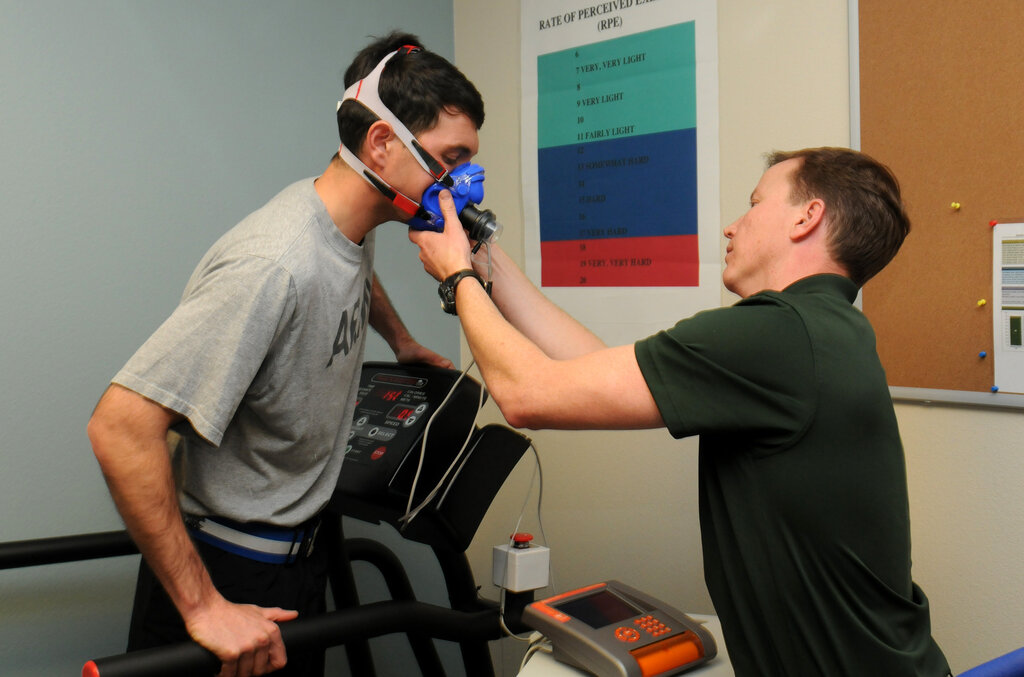
The Engine Under the Hood
Your VO₂ max isn't determined by a single organ, but by a chain of systems working together. For your muscles to get the oxygen they need, it must travel from the air around you, into your lungs, through your bloodstream, and finally into the muscle cells. A bottleneck anywhere in this chain will limit your VO₂ max.
The main physiological factors are:
- Pulmonary System: The ability of your lungs to take in large amounts of oxygen from the air.
- Cardiac Output: How much blood your heart can pump per minute. This is the most significant factor for most people. It's a product of your heart rate and stroke volume (the amount of blood pumped with each beat).
- Blood's Oxygen-Carrying Capacity: The amount of haemoglobin in your red blood cells determines how much oxygen can be transported from the lungs.
- Muscular Oxygen Uptake: The efficiency of your muscles at extracting and using the delivered oxygen. This depends on factors like capillary density and the number of mitochondria in muscle cells.
Why It Matters for Performance
For endurance athletes, a high VO₂ max is a powerful advantage. It represents a superior ability to supply oxygen to working muscles, which is crucial for aerobic energy production. When you can supply more oxygen, you can sustain a faster pace or a higher power output for a longer duration before fatigue sets in.
A higher VO2 Max enables athletes to perform at a higher intensity without accumulating excessive lactic acid, delaying the onset of fatigue.
Think of it this way: aerobic metabolism is a very efficient way to produce energy, but it requires oxygen. When exercise intensity outstrips your ability to supply oxygen, your body increasingly relies on less efficient anaerobic pathways, which produce by-products like lactate and lead to fatigue more quickly.
A high VO₂ max raises the ceiling for your aerobic performance. It means your body is exceptionally good at the very thing that fuels prolonged effort: using oxygen.
What Shapes Your VO₂ Max?
Your VO₂ max is not a one-size-fits-all number. It's influenced by several key factors that determine your personal aerobic ceiling.
| Factor | Description |
|---|---|
| Genetics | A significant portion of your VO₂ max potential is inherited. Some people are naturally gifted with larger hearts or a higher density of red blood cells. |
| Training Status | While genetics set the potential, training determines how much of that potential you reach. Consistent endurance training can improve VO₂ max significantly. |
| Age | VO₂ max typically peaks in a person's 20s and then gradually declines with age. This is due to natural decreases in maximum heart rate and muscle mass. |
| Sex | On average, males have a higher VO₂ max than females. This is largely due to differences in body composition, haemoglobin levels, and heart size. |
| Altitude | At higher altitudes, the air is less dense, meaning there's less oxygen available per breath. This temporarily reduces VO₂ max until the body acclimatises. |
Understanding these factors helps explain why VO₂ max values can vary so widely between a sedentary individual, a dedicated amateur athlete, and an Olympic champion. While you can't change your genes or your age, training is a powerful tool for maximising your own unique aerobic potential.