Maximize Travel with Credit Card Rewards
Understanding Credit Card Rewards
The Basics of Rewards
Think of a rewards credit card as a small thank you from your card issuer for using their service. Every time you make a purchase, you get a little something back. These rewards generally fall into three main categories: cash back, points, and miles.
| Reward Type | What It Is | Best For |
|---|---|---|
| Cash Back | A percentage of your spending returned as cash or a statement credit. | Simplicity and straightforward savings. |
| Points | A flexible currency earned on purchases, redeemable for various things. | Flexibility and potentially high value on travel. |
| Miles | Similar to points, but typically tied to a specific airline's loyalty program. | Frequent flyers loyal to a particular airline. |
Cash back is the simplest. If your card offers 2% cash back and you spend $100, you earn $2. Points and miles are a bit more complex, but they often provide greater value, especially when redeemed for travel.
How You Earn Rewards
The foundation of earning rewards is the concept of 'points per dollar spent.' For every dollar you charge to your card, you earn a set number of points or miles, or a percentage of cash back. The standard is often one point per dollar, but many cards offer more to encourage spending in certain areas.
These special spending areas are called bonus categories. A card might offer 3 points per dollar on dining, 2 points on groceries, and 1 point on everything else.
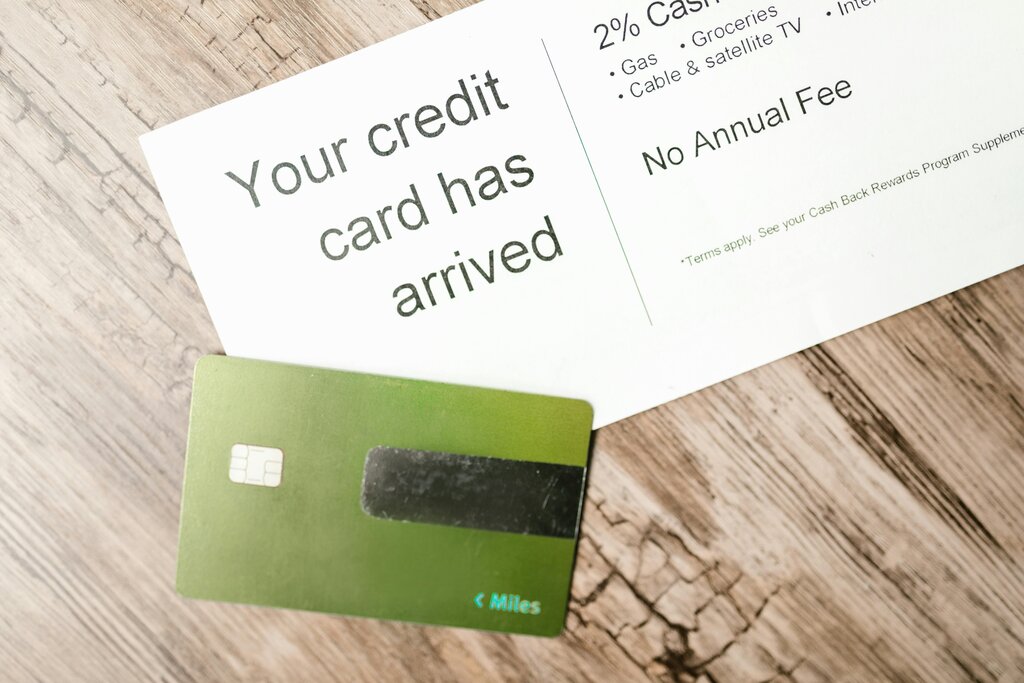
Understanding these categories is key. If you eat out often, a card that rewards dining makes sense. If you have a long commute, a card with a gas bonus category could be a great fit. Aligning your card's bonus categories with your everyday spending habits is the fastest way to accumulate rewards.
Cashing In Your Rewards
Once you've collected a nice stash of points or miles, it's time to redeem them. You can trade them for statement credits, gift cards, merchandise, or, most popularly, travel. This is where the idea of 'redemption value' becomes important.
Not all redemptions are created equal. The value of one of your points can change dramatically depending on how you use it.
To figure out the value you're getting, you can use a simple formula. You divide the cash cost of the item by the number of points required to get it. This gives you the value per point, often expressed in cents.
Let's say a flight costs $500, or you could redeem 50,000 points for it. Your value per point would be $500 / 50,000 = $0.01, or one cent per point. If another flight also costs $500 but only requires 25,000 points, your value is $0.02, or two cents per point. The second option is a much better deal.
When redeeming miles and points, it is a good practice to price your redemptions in both miles and cash, as not all redemptions represent good value or use of points.
Calculating this value helps you make smart decisions and stretch your rewards as far as possible.
Ready to check your understanding? This quiz covers the basics of credit card rewards.
What are the three primary categories of credit card rewards discussed?
To accumulate rewards most effectively, it is best to choose a credit card with bonus categories that match your...
By understanding these fundamentals, you can start to see how everyday spending can turn into valuable rewards.