Maximize Free Leverage for Wealth and Influence
Understanding Leverage
Using What You Have
Leverage is about getting a bigger result from a small effort. Think of a simple lever and a fulcrum. With the right placement, a small push on one end can lift a heavy weight on the other. In finance and business, the principle is the same, but instead of physical force, we're using resources like money, assets, or even time.
Leverage, at its core, is using borrowed capital to increase the potential return of an investment.
Imagine you have $1,000 to invest. You buy a stock, and it goes up by 10%. You've made $100. Not bad.
Now, let's add leverage. You still have your $1,000, but you borrow an additional $9,000 from a broker, allowing you to invest a total of $10,000. The stock goes up by 10%. Your investment is now worth $11,000. After paying back the $9,000 you borrowed, you're left with $2,000. Your initial $1,000 has doubled. You made a 100% return on your money, all from a 10% market move.
This amplification is the power of leverage. But it works both ways.
If that same 💲10,000 investment had dropped by 10%, it would be worth 💲9,000. After paying back the loan, your initial 💲1,000 would be completely gone.
Leverage is a double-edged sword.
Three Kinds of Leverage
While we often think of leverage in terms of borrowing money, it comes in a few different forms. The main types are financial, operational, and personal.
Financial Leverage
other
Using borrowed money to increase the potential return of an investment.
This is the classic example we just saw. Buying a house is another common one. With a 20% down payment, you control 100% of the property. Any increase in the home's value is a much larger percentage gain on your initial investment.
Operational Leverage
other
The degree to which a company can increase operating income by increasing revenue, based on its mix of fixed and variable costs.
Operational leverage comes from a business's cost structure. Imagine two T-shirt businesses. One hand-paints every shirt (low fixed costs, high variable costs). The other buys a $50,000 printing machine that makes shirts for $1 each (high fixed costs, low variable costs).
At first, the hand-painter is more profitable. But once the second business sells enough shirts to cover the cost of its machine, its profits soar. Every additional shirt sold costs only $1, so the profit margin on each new sale is huge. That's high operational leverage.
Personal Leverage
other
Using your unique skills, relationships, or reputation to achieve results that would be impossible with your own efforts alone.
This type of leverage isn't about money or costs. It's about you. Building a strong network gives you leverage; you can call on others for help or opportunities. Developing a rare skill gives you leverage in your career. Creating a system or a product that works for you even when you're not there—like writing a book or building an app—is a powerful form of personal leverage.
A Historical Example
The concept of leverage isn't new. In the early 20th century, enterprising individuals used financial leverage to build vast business empires. Consider the strategy of buying a company using mostly borrowed money, a practice that later became known as a leveraged buyout.
An investor might identify a stable company, like a railroad or utility, that generated predictable cash flow. They would put down a small amount of their own money and borrow the rest to buy the company. Then, they would use the company's own profits to pay off the debt over time. Once the debt was cleared, they owned the entire company, having paid for it with its own earnings. They turned a small initial investment into full ownership of a large asset.
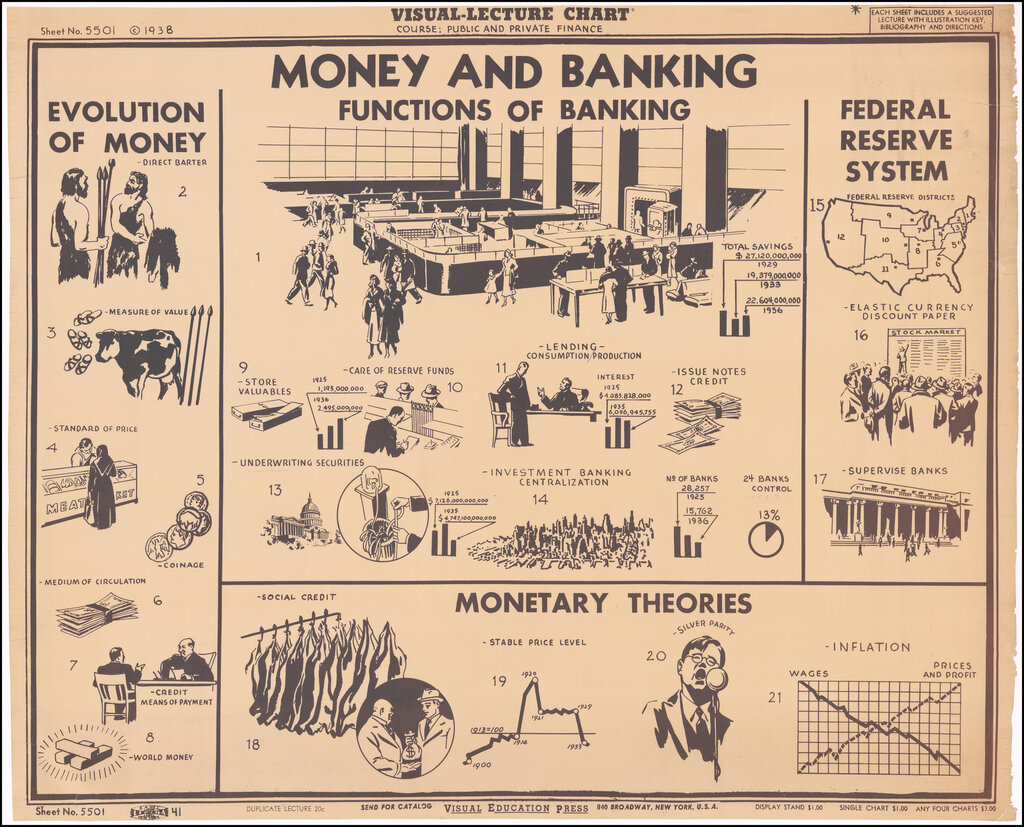
This basic principle, when managed well, is a cornerstone of wealth creation. But when mismanaged, it has led to equally spectacular collapses.
Understanding these fundamentals is the first step. Leverage is a tool, and like any tool, its power depends on the skill of the person using it.