Materials Science for Batteries and Plastics
Introduction to Materials Science
The Stuff of Our World
Look around you. The chair you're sitting on, the screen you're reading from, the clothes you're wearing—everything is made of something. Materials science is the field dedicated to understanding that "something." It's the study of stuff: why different materials have the properties they do, how we can change them, and how we can create new ones with amazing abilities.
At its heart, materials science explores four key aspects of any material: its structure, properties, processing, and performance. Think of them as a linked chain. How a material is built on the inside (structure) determines how it behaves (properties). The way we manufacture it (processing) affects both its structure and properties. And all these factors together dictate how well it does its job (performance).
This relationship is the core of materials science. By understanding it, we can pick the right material for a job, whether it's building a bridge or designing a smartphone.
It Starts with Atoms
To understand a material's structure, we have to start at the smallest scale: the atom. The way atoms connect, or bond, to each other is the first and most important factor determining a material's properties.
There are three main types of strong chemical bonds that hold solids together:
Ionic Bonds: One atom gives away one or more electrons to another. This creates positively and negatively charged atoms (ions) that stick together like tiny magnets. Table salt is a classic example. Materials with ionic bonds are often hard but brittle.
Covalent Bonds: Atoms share electrons. This sharing creates a very strong, stable connection. Diamonds are held together by covalent bonds, which is why they are so hard. Many plastics and polymers also rely on covalent bonding.
Metallic Bonds: Metal atoms happily share their outermost electrons in a giant pool that flows freely between all the atoms. This "sea of electrons" is what makes metals great conductors of electricity and heat, and also allows them to be bent without breaking.
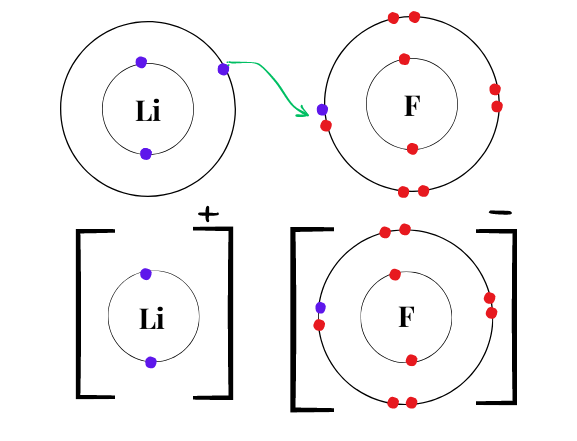
These bonds are the building blocks. The type of bond dictates how atoms arrange themselves, which in turn gives a material its fundamental characteristics.
The Families of Materials
Based on their atomic bonding and structure, we can group most materials into four main families. Each has a distinct personality.
Metal
noun
A class of materials characterized by high thermal and electrical conductivity, strength, and malleability.
Metals are defined by their metallic bonds. This makes them dense, strong, and easy to shape (ductile). Think of the steel frame of a skyscraper or the copper wires in your walls. Their free-floating electrons make them excellent conductors of electricity and heat.
Ceramic
noun
A class of materials that are typically hard, brittle, and heat-resistant, made by firing a nonmetallic mineral, such as clay, at a high temperature.
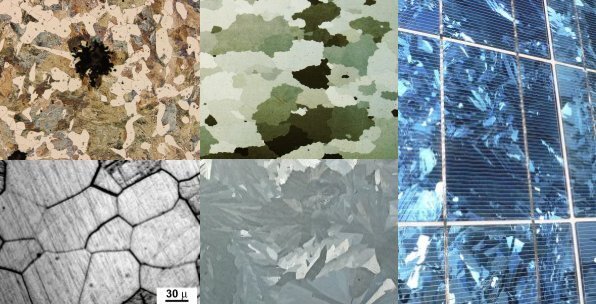
Ceramics are generally compounds of metallic and nonmetallic elements, held together by strong ionic and covalent bonds. These strong bonds make ceramics very hard, strong in compression, and resistant to high temperatures. However, it also means they don't bend—they break. This brittleness is their defining weakness.
Polymer
noun
A material consisting of very large molecules, called macromolecules, composed of many repeating subunits.
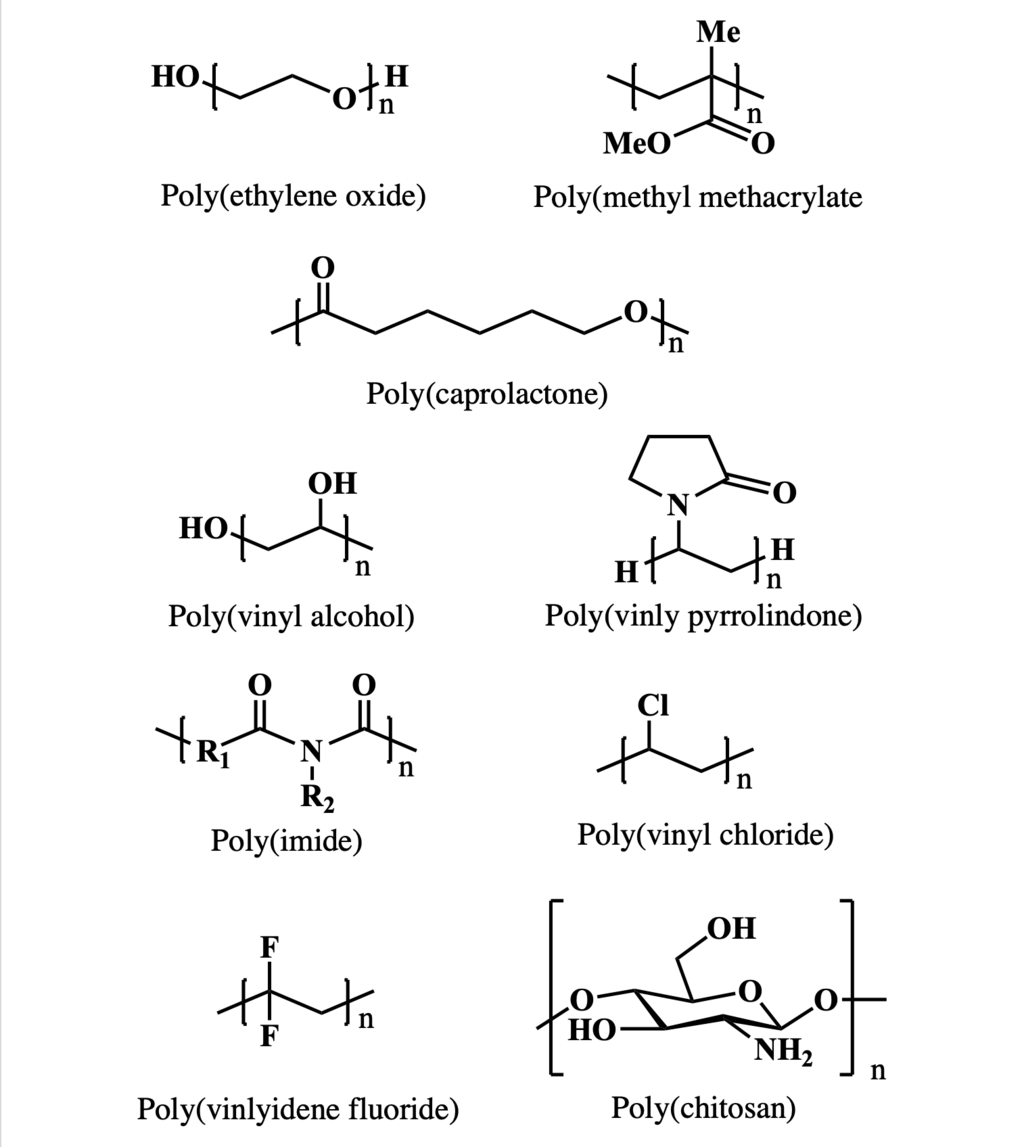
Polymers are long chains of repeating molecules, usually based on carbon, linked by covalent bonds. This chain-like structure makes them lightweight, flexible, and poor conductors of heat and electricity. The word covers a huge range of materials, from natural ones like rubber and wood to synthetic plastics like PVC and polyester.
Finally, we have composites. These aren't a fundamental class but rather a mix of two or more of the other families to create a material with enhanced properties.
A classic example of a composite is carbon fiber reinforced polymer. It combines the incredible strength of carbon fibers (a ceramic-like material) with the lightweight flexibility of a polymer matrix. The result is a material that is both stronger and lighter than many metals.
Shaping Our World
How a material is processed is just as important as what it's made of. Processing techniques can drastically alter a material's internal structure and, therefore, its properties. A blacksmith hammering a piece of steel isn't just changing its shape; they're fundamentally changing its internal crystal structure, making it tougher.
Common processing methods include:
- Casting: Pouring a molten material into a mold and letting it cool. This is how many complex metal parts are made.
- Forming: Squeezing, bending, or stretching a solid material into a new shape, like rolling steel into sheets.
- Sintering: Fusing small particles together using heat and pressure without melting them completely. This is a common way to make ceramic parts.
- 3D Printing: Building an object layer by layer from a digital design, a versatile technique used for polymers, metals, and even ceramics.
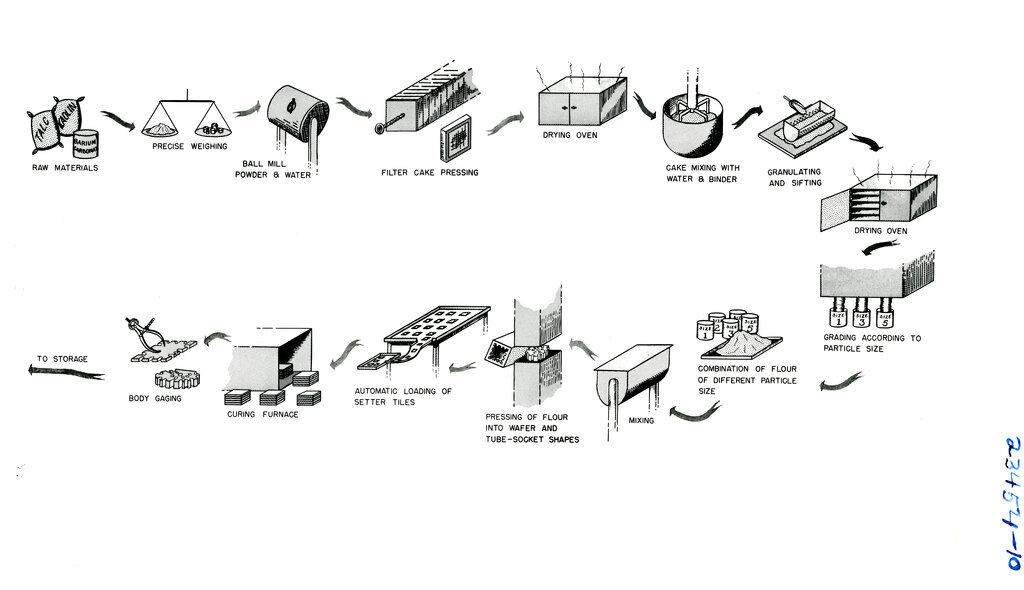
Heating and cooling a material at different rates—a process called heat treatment—can also have a massive impact. Quenching a hot sword in water makes the steel very hard but brittle, while letting it cool slowly makes it softer and tougher. By carefully controlling processing, we can fine-tune a material's properties to get the exact performance we need.
Time to check your understanding of these core concepts.
Which of the following lists the four key, interconnected aspects of materials science?
A material is observed to be very hard and resistant to high temperatures, but it shatters when struck instead of bending. To which family of materials does it most likely belong?
Understanding these fundamentals—how atoms bond, how they form different families of materials, and how processing shapes them—is the key to engineering the world around us. Every material has a story that starts at the atomic level.