Material Rating Fundamentals
Material Properties
The Language of Materials
Every material, from the rubber in a tire to the steel in a skyscraper, has a unique set of characteristics. These are its properties. They tell us how a material will behave under different conditions. Understanding these properties is like learning a language. It allows us to predict how a material will perform and choose the right one for the job.
Materials have specific properties that dictate the ways they can be manipulated and the effects they can produce.
We can group these properties into a few key categories. Let's start with how materials respond to physical forces.
Mechanical Properties
Mechanical properties describe how a material reacts when you push, pull, or twist it. They determine if a material will bend, stretch, or break.
Strength
noun
A material's ability to withstand an applied force without breaking or permanently deforming.
Think of a ceramic coffee mug versus a metal spoon. The mug has high compressive strength, meaning it can handle a lot of squeezing force. But if you drop it, it shatters. The spoon, on the other hand, can be bent back and forth. It has a different kind of strength.
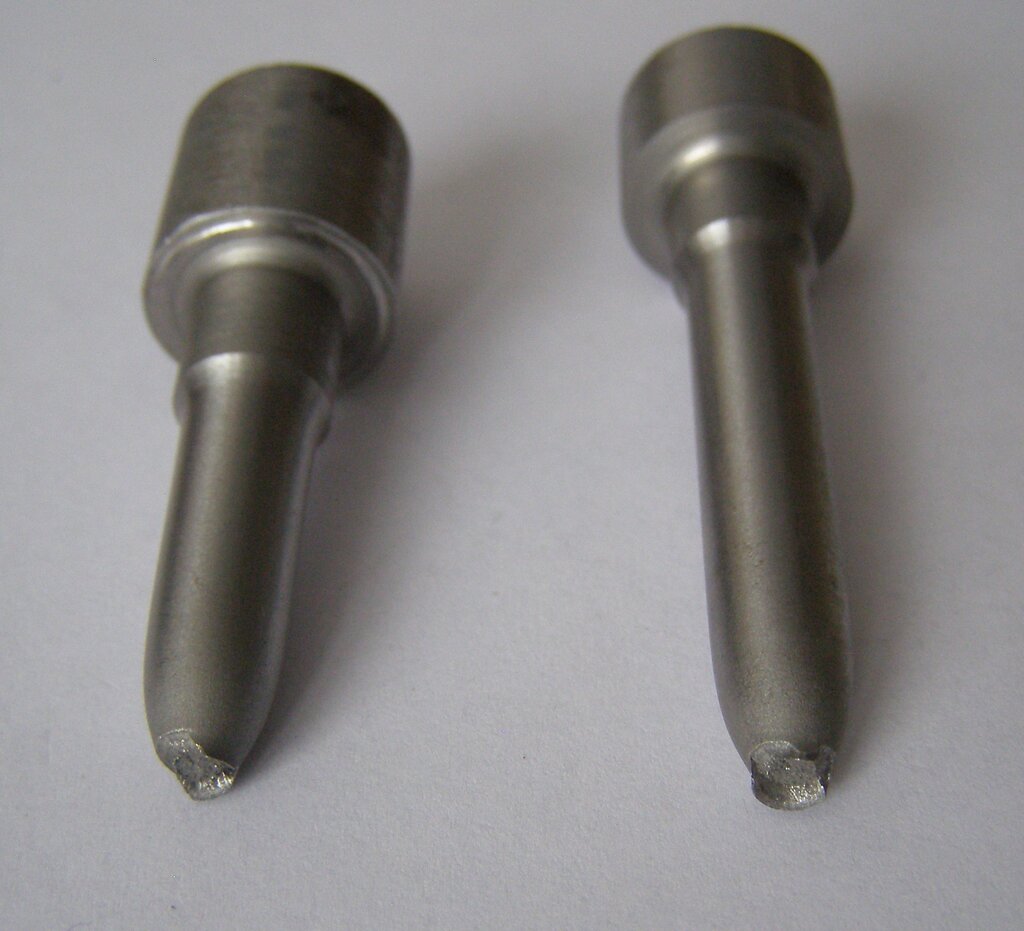
Hardness is another key mechanical property. It's not the same as strength.
Hardness
noun
A measure of a material's resistance to localized surface deformation, such as scratching or indentation.
A diamond is extremely hard; it can scratch almost any other material. A rubber eraser is soft. You can easily dent it with your fingernail. This property is crucial for things like drill bits and protective coatings.
Finally, let's look at ductility.
Ductility
noun
The ability of a material to be stretched into a wire or undergo significant plastic deformation before fracturing.
A ductile material stretches and thins out before it snaps. A brittle material, like glass, breaks suddenly with little warning.
Thermal and Electrical Properties
Materials also behave differently when exposed to heat or electricity. These properties often go hand-in-hand.
Thermal conductivity is a measure of how well a material transfers heat. Metals like copper and aluminum are excellent thermal conductors. That's why pots and pans are made of metal; they transfer heat from the stove to your food efficiently. Materials like wood and plastic are poor conductors, which we call insulators. They're used for pot handles to protect your hands from the heat.
Closely related is thermal expansion. Most materials expand when they get hot and shrink when they cool down. The amount they change is a specific property. Engineers must account for this. For example, large bridges have expansion joints that allow the structure to grow and shrink with temperature changes without buckling.
Electrical properties are similar. Electrical conductivity measures how easily an electric current can flow through a material. Copper is a great conductor, which is why it's used for wiring. Rubber is an insulator, which is why it's used to cover those wires, preventing shocks.
Resistivity is the opposite of conductivity. It measures how strongly a material opposes the flow of electric current. Materials with high resistivity are used to make resistors, which are essential components in electronic circuits.
Chemical Properties
Finally, chemical properties describe how a material interacts with other substances at a chemical level. This determines if a material will rust, dissolve, or remain stable over time.
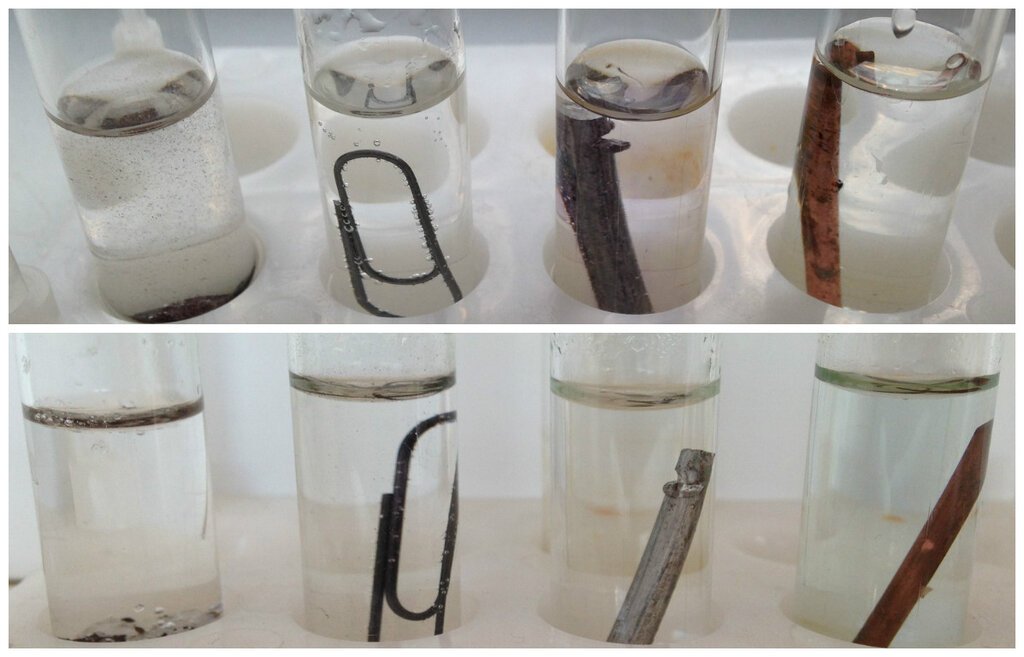
Corrosion resistance is a material's ability to withstand damage from chemical reactions with its environment. Iron rusts easily, which is a form of corrosion. Stainless steel, which is iron mixed with other elements like chromium, has excellent corrosion resistance. That's why it's used for kitchen sinks and surgical instruments.
Reactivity describes how readily a substance undergoes a chemical reaction. Some elements, like sodium, are extremely reactive. They can burst into flame if they touch water. Other materials, like gold and platinum, are very unreactive. They can last for thousands of years without tarnishing.
Let's review these core concepts.
Ready to test your knowledge?
Why is the handle of a metal cooking pot often made from wood or plastic?
Which property describes a material's resistance to scratching and surface indentation?
By understanding these fundamental properties, we can begin to see why certain materials are chosen for specific tasks, from building bridges to designing computer chips.