Mastery of Martial Arts Systems
Tactical Evolution of Combat
The Lay of the Land
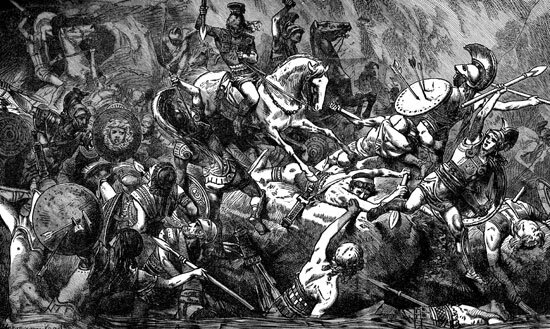
Fighting styles are products of their environment. A warrior on the open steppes of Mongolia and a soldier navigating the dense forests of Japan faced entirely different tactical problems. Wide, flat terrain favors striking arts and long-range weapons like spears and bows. There's room to maneuver, to create distance, and to deliver powerful kicks and punches.
In contrast, close, cluttered environments—forests, narrow mountain passes, or the tight corridors of a castle—render long weapons useless and sweeping strikes impractical. Here, grappling becomes king. Throws, joint locks, and close-quarters striking are necessary to control an opponent when there's no room to wind up for a powerful blow. Geography wasn't just a backdrop for conflict; it was an active participant, shaping the very movements of combat.
Schools of Thought
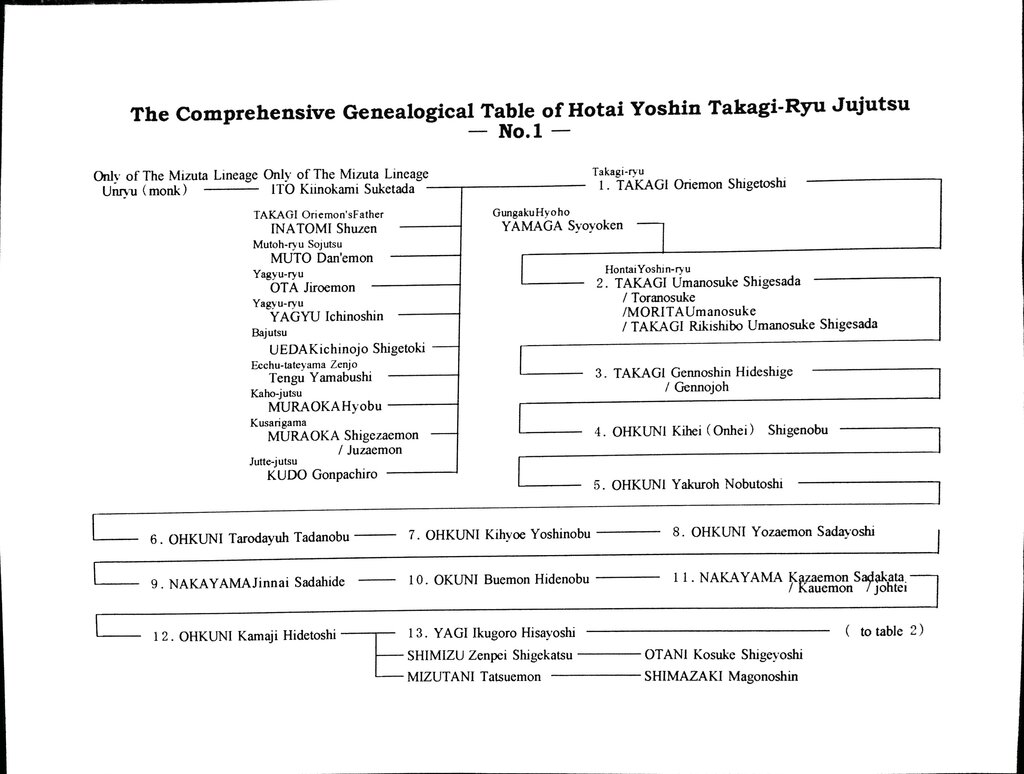
As combat methods were refined, they became formalized systems passed down through generations. In Japan, these systems were known as Ryu-ha—literally, 'flow-schools.' Each Ryu was a living tradition, a specific curriculum of survival tailored to a particular set of circumstances. They were not monolithic; a school founded by samurai who primarily fought on horseback would have a vastly different curriculum from one founded by foot soldiers who specialized in castle sieges.
These schools documented their techniques meticulously. Their teachings accounted for the weapons an enemy was likely to carry, the type of armor they'd be wearing, and the ground they would fight on. A technique designed to work against an unarmored opponent might be useless against someone in full plate, so the Ryu developed alternative strategies focusing on grappling, targeting joints, and using the opponent's armor against them.
| Factor | Influence on Combat Style |
|---|---|
| Terrain | Open plains favor striking; dense forests favor grappling. |
| Armor | Heavy armor neutralizes strikes, making joint locks and throws more effective. |
| Weapons | Facing a swordsman requires different footwork than facing a spearman. |
| Social Status | Samurai schools focused on battlefield weapons; peasant systems often adapted farm tools. |
The curriculum of a Ryu was a direct response to the tactical problems its founders faced. This is why so many older martial arts seem hyper-specific in their movements. They weren't just practicing random techniques; they were rehearsing answers to life-or-death questions.
From Battlefield to Bunkai
How do you preserve a complex fighting system when you're not constantly at war? The answer was kata: pre-arranged forms or patterns of movement. To an outsider, a kata might look like a solo dance. But to a practitioner, it's a library of combat techniques, a sequence of attacks, blocks, and counters against one or more imaginary opponents.
Kata became the primary method for transmitting a Ryu's curriculum. Each movement has a purpose, a practical application known as Bunkai. This is the process of analyzing the kata and extracting its real-world self-defense applications. A simple-looking block followed by a punch in a kata might, through Bunkai, be revealed as a joint lock, a throw, and a finishing strike. The forms were a way to encode battlefield experience and pass it on.
Kata are not just sequences of movements; they are tactical manuals passed down through the body.
Consider the challenge of fighting an armored opponent. A punch to a steel breastplate is a waste of energy. The kata of older, battlefield-oriented arts reflect this reality. They often contain fewer direct strikes and more techniques designed to unbalance, throw, and control an opponent on the ground. The goal was to get past the armor to the vulnerable joints—the neck, armpits, and groin. The movements in the kata were a direct adaptation to the technology of the time.
The Character Forge
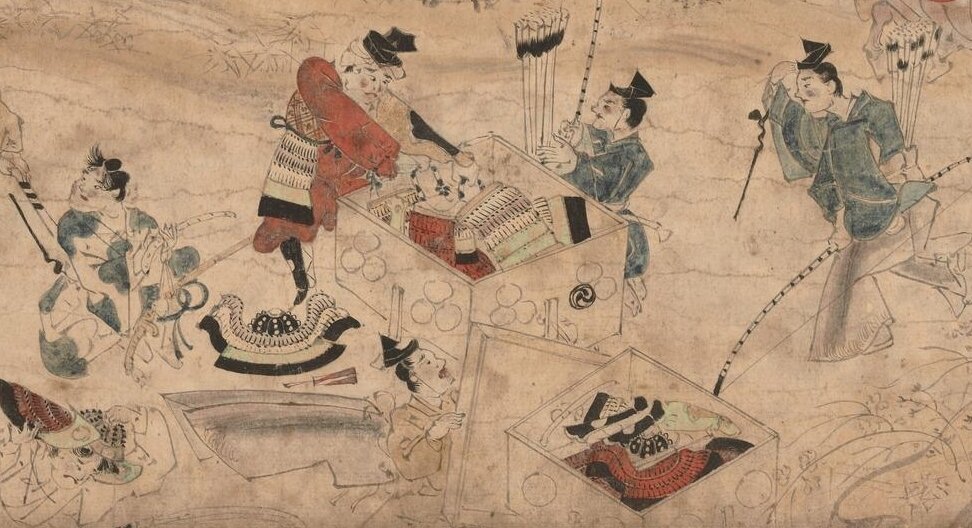
As long periods of peace settled over regions like Japan, the role of the warrior class changed. With fewer battles to fight, many martial arts schools began to shift their focus. The primary goal was no longer just about creating an effective soldier, but about forging a better person. This philosophical evolution is often marked by the change in name from a "jutsu" art (meaning skill or technique) to a "dō" art (meaning way or path).
For example, Kenjutsu, the 'art of the sword,' evolved into Kendo, the 'way of the sword.' Jujutsu gave rise to Judo, the 'gentle way.' The techniques were still rooted in combat, but the purpose of training expanded to include spiritual discipline, moral development, and self-perfection. The dojo became a laboratory not just for fighting, but for life. The rigor, focus, and respect required in training were meant to be carried outside the training hall.
Martial arts, beyond its physical techniques and combat strategies, is a profound philosophy that transcends the boundaries of the dojo.
This transition didn't erase the combat effectiveness of the arts. Instead, it added another layer. The ultimate goal was to win the battle within oneself. By mastering the self, a practitioner could become not only a formidable martial artist but also a more disciplined, centered, and honorable individual.
Now, let's test your understanding of how combat systems evolved.
How did the geography of wide, open plains like the Mongolian steppes primarily shape the fighting styles that developed there?
What is the primary purpose of 'kata' in traditional martial arts?
Understanding this evolution from battlefield necessity to personal development is key to appreciating the depth of traditional martial arts.