Masterworks of Mulk Raj Anand
Anand's Social Realism
The Novel as a Social Tool
While many of his contemporaries in early Indian English literature were exploring mythology, history, or the lives of the upper classes, Mulk Raj Anand had a different mission. He saw the novel not just as a form of artistic expression, but as a powerful instrument for social change. Anand's work is defined by a commitment to social realism, a style that aimed to present an unflinching look at the lives of the poor and marginalized in India.
He deliberately turned away from romanticized visions of village life. Instead, he focused on the harsh realities of caste oppression, economic exploitation, and daily indignities faced by those at the bottom of the social hierarchy. His goal was to give a voice to the voiceless, bringing characters like sweepers, peasants, and laborers from the periphery of society to the very center of the narrative.
Forging a New Path
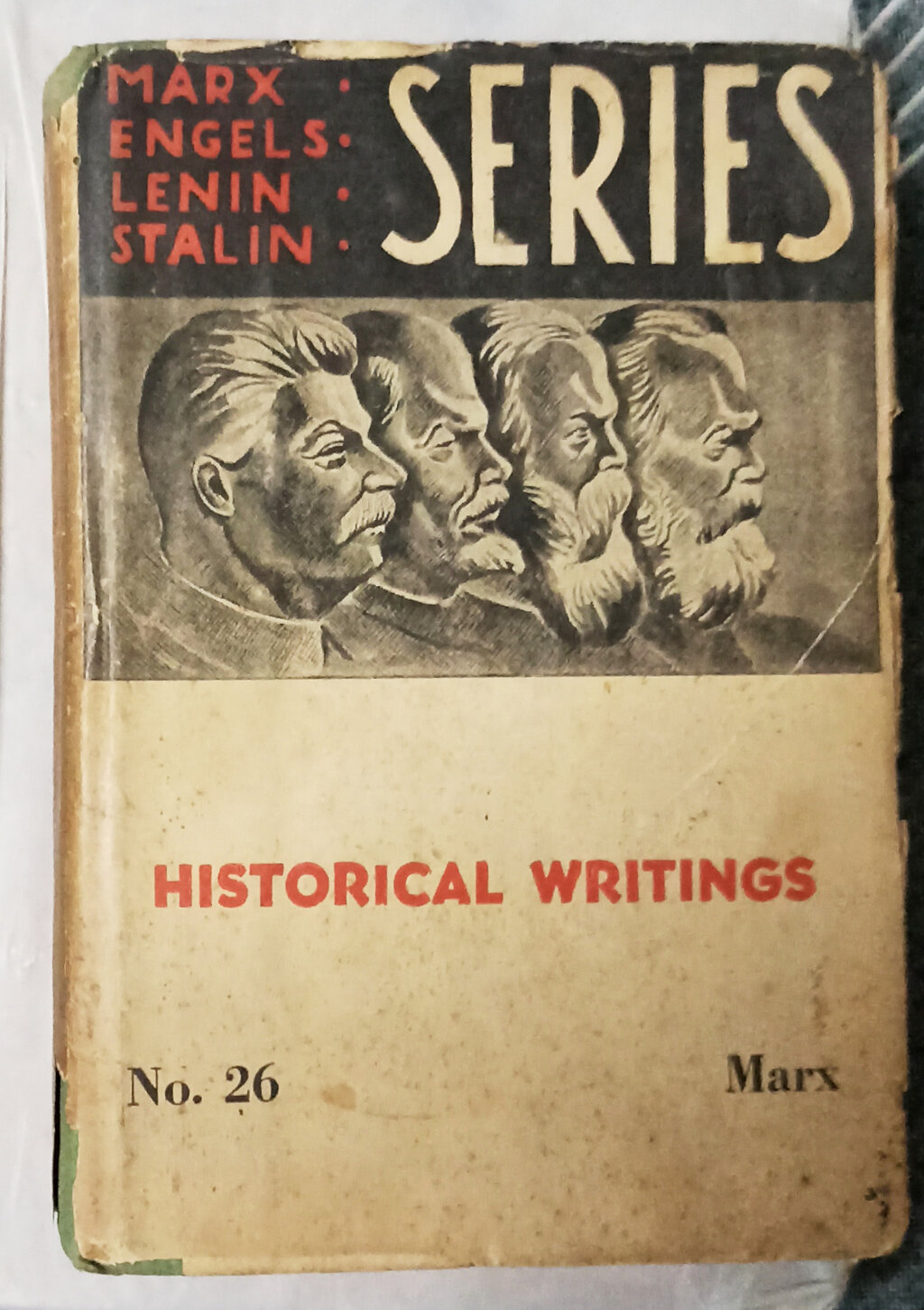
Anand's unique perspective was shaped by his experiences both in India and abroad. During his time in London, he was deeply influenced by his interactions with the Bloomsbury Group and his engagement with Marxist philosophy. These European currents of modernism and social critique gave him new tools to analyze the injustices he saw in his homeland. However, he didn't simply import these ideas.
Instead, Anand adapted the Western novel form, particularly the concept of the , to fit the specific context of pre-independence India. He used its focus on the working class to explore the intricate web of caste and colonialism that defined Indian society. His novels became a space to dramatize the struggle for dignity in a world designed to deny it.
A Philosophy of Humanism
At the heart of Anand's social realism is a profound philosophy of humanism. For him, this meant an unwavering belief in the intrinsic worth and dignity of every individual, regardless of their caste, class, or occupation. This was a radical stance in a society structured by the rigid hierarchies of the caste system, which deemed certain people 'untouchable' or inherently inferior.
His novels put this philosophy into practice. By taking the reader deep into the consciousness of a character like a latrine cleaner, he forces them to confront the shared humanity that transcends social labels. The narrative doesn't just depict suffering; it highlights the character's desires, frustrations, and small moments of joy. This focus on the individual's inner world was Anand's way of fighting back against a system that sought to dehumanize them.
Anand's novels are a portryal of Indianness with its true essence.
Anand's work demonstrates how a literary form born in Europe could be powerfully repurposed to critique the unique social and political conditions of colonial India. He didn't just write stories; he crafted arguments for a more just and compassionate world.
Let's review what we've covered.
What was the primary mission behind Mulk Raj Anand's novels?
Which of the following best describes the subjects of Mulk Raj Anand's novels?
By blending Western literary techniques with a deeply Indian sensibility, Anand created a powerful form of social commentary that continues to resonate today.