Mastering Zoology Essentials
Animal Diversity
Organising the Animal Kingdom
The world is teeming with animals, from microscopic worms to blue whales. To make sense of this incredible diversity, biologists use a system of classification called taxonomy. It's like a library's filing system, but for all of life.
This system organises organisms into a hierarchy of nested groups, called taxonomic ranks. The broadest category is the kingdom. The animal kingdom, Animalia, includes every animal on Earth. From there, the groups get more and more specific.
The main ranks are: Kingdom, Phylum, Class, Order, Family, Genus, and Species. A helpful mnemonic to remember this is: King Philip Came Over For Good Soup.
Think of it like a postal address. The Kingdom is the country, the Phylum is the county, the Class is the city, and so on, until you get to the specific street address: the species. Each organism is given a unique, two-part scientific name, known as binomial nomenclature. This name consists of its genus and species. For us, it’s Homo sapiens.
Life Without a Backbone
The first major split within the animal kingdom is between animals that have a backbone and those that don't. Animals without a backbone are called invertebrates, and they make up over 95% of all known animal species. They are an incredibly diverse group, found in every habitat imaginable.
To manage this variety, invertebrates are grouped into many different phyla. Let's look at a few of the largest and most common ones.
| Phylum | Key Features | Examples |
|---|---|---|
| Porifera | Simple, asymmetrical bodies with pores for filtering water. | Sponges |
| Cnidaria | Radial symmetry, tentacles with stinging cells. | Jellyfish, corals, sea anemones |
| Mollusca | Soft-bodied, often with a hard external shell. | Snails, clams, octopuses |
| Annelida | Segmented, worm-like bodies. | Earthworms, leeches |
| Arthropoda | Exoskeleton, jointed limbs, segmented body. | Insects, spiders, crabs, lobsters |
| Echinodermata | Spiny skin, five-part radial symmetry in adults. | Starfish, sea urchins, sea cucumbers |
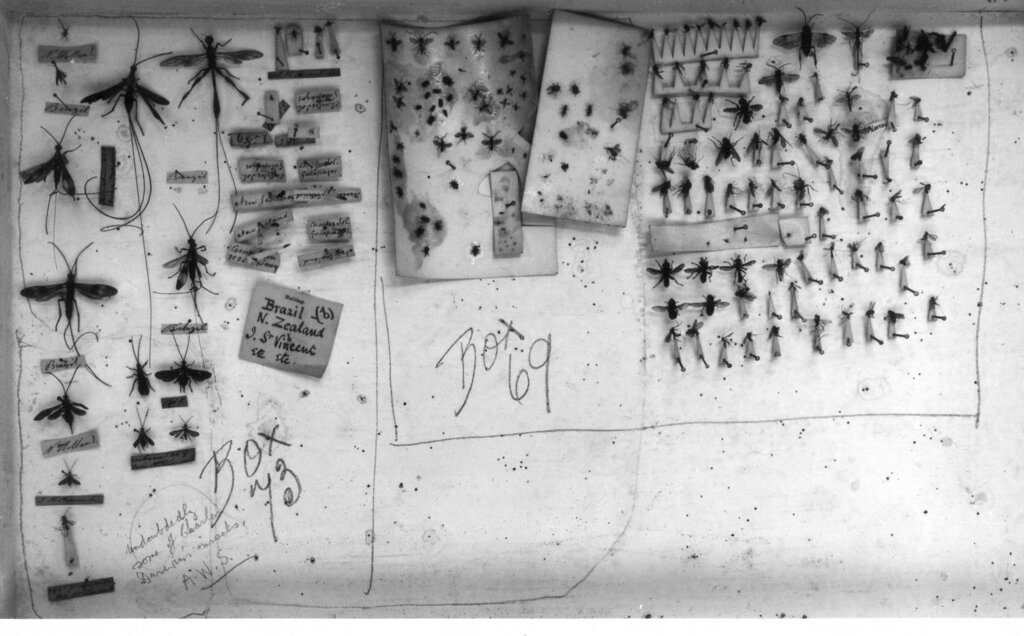
Arthropods are the most successful animal phylum by far, dominating the land, sea, and air. This group alone contains more species than all other animal groups combined.
The Vertebrate Story
Animals with a backbone belong to a single phylum: Chordata. These are the vertebrates, and while they are less numerous in species than invertebrates, their size and complexity make them some of the most familiar animals on the planet.
Vertebrates are divided into several major classes, each with distinct adaptations.
The main classes of vertebrates are fish, amphibians, reptiles, birds, and mammals.
Fish were the first vertebrates. They are aquatic, breathe with gills, and are typically cold-blooded. This group is actually made up of a few different classes, including jawless fish, cartilaginous fish (like sharks and rays), and bony fish, which make up the vast majority.
Amphibians, like frogs and salamanders, lead a double life. They often start their lives in water breathing through gills, and later develop lungs to live on land. They have moist skin and are cold-blooded.
Reptiles, such as lizards, snakes, and crocodiles, were the first vertebrates to fully adapt to life on land. They have scales, breathe air with lungs, and are cold-blooded, meaning they rely on their environment to regulate their body temperature. Most lay leathery-shelled eggs on land.
Birds (class Aves) are warm-blooded vertebrates with feathers, beaks, and lightweight skeletons adapted for flight. They lay hard-shelled eggs.
Mammals are also warm-blooded. Their defining characteristics are having hair or fur and producing milk to feed their young. This group includes a huge range of animals, from bats and mice to elephants and humans.
A Family Tree
Taxonomy doesn't just sort animals into boxes; it reflects their evolutionary history. The hierarchical structure is like a family tree, or phylogeny. Groups that share a recent common ancestor are placed closer together in the classification system.
For example, all vertebrates share a common ancestor that had a backbone. Within that group, birds and reptiles share a more recent common ancestor with each other than they do with mammals. This is why they are often grouped together. These relationships are discovered by comparing anatomy, fossils, and DNA.
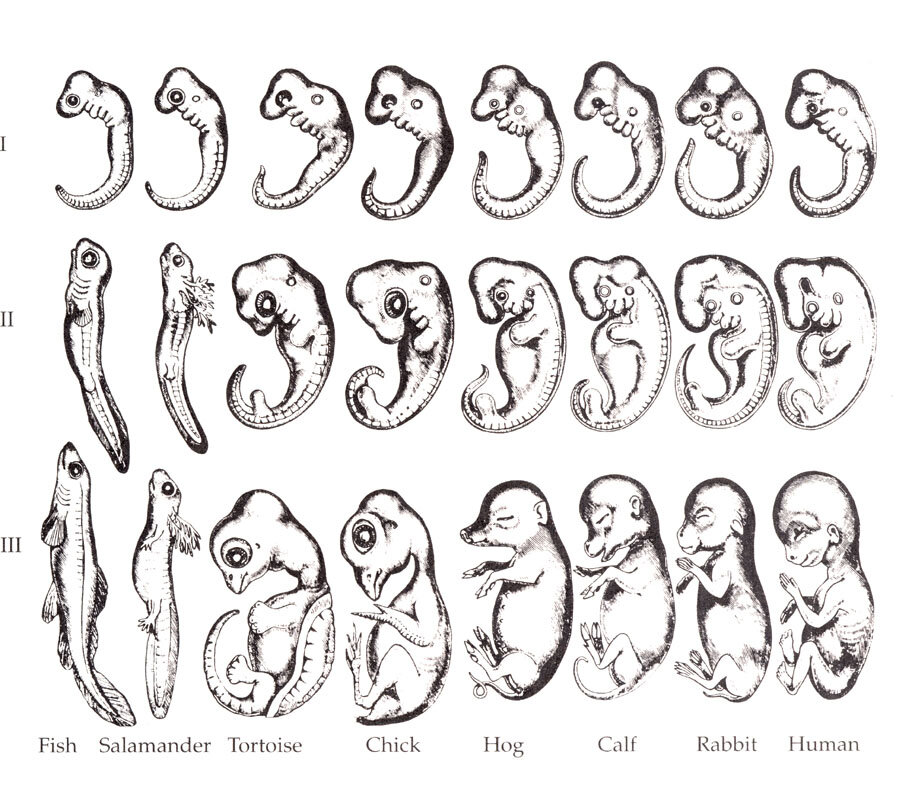
This tree of life shows how all animals, from the simplest sponge to the most complex mammal, are related through an unbroken chain of ancestry stretching back hundreds of millions of years. Each phylum and class represents a major branch that has explored a unique way of life.
By understanding these relationships, we can begin to appreciate the full story of animal evolution and the incredible diversity it has produced.
What is the primary purpose of taxonomy in biology?
The scientific name for humans is Homo sapiens. This two-part naming system is known as: