Mastering Zero Inbox
Understanding Email Overload
The Unseen Weight of Your Inbox
Have you ever opened your email and felt a wave of exhaustion before even reading a single message? That feeling of being buried under a mountain of digital correspondence has a name: email overload. It’s the state where the sheer volume of emails you receive makes it impossible to manage them effectively.
This isn't just about having a lot of unread messages. It’s a constant, low-level stressor that leaves you feeling like you're always behind, no matter how hard you work. Your inbox, once a tool for communication, starts to feel more like a relentless to-do list created by other people.
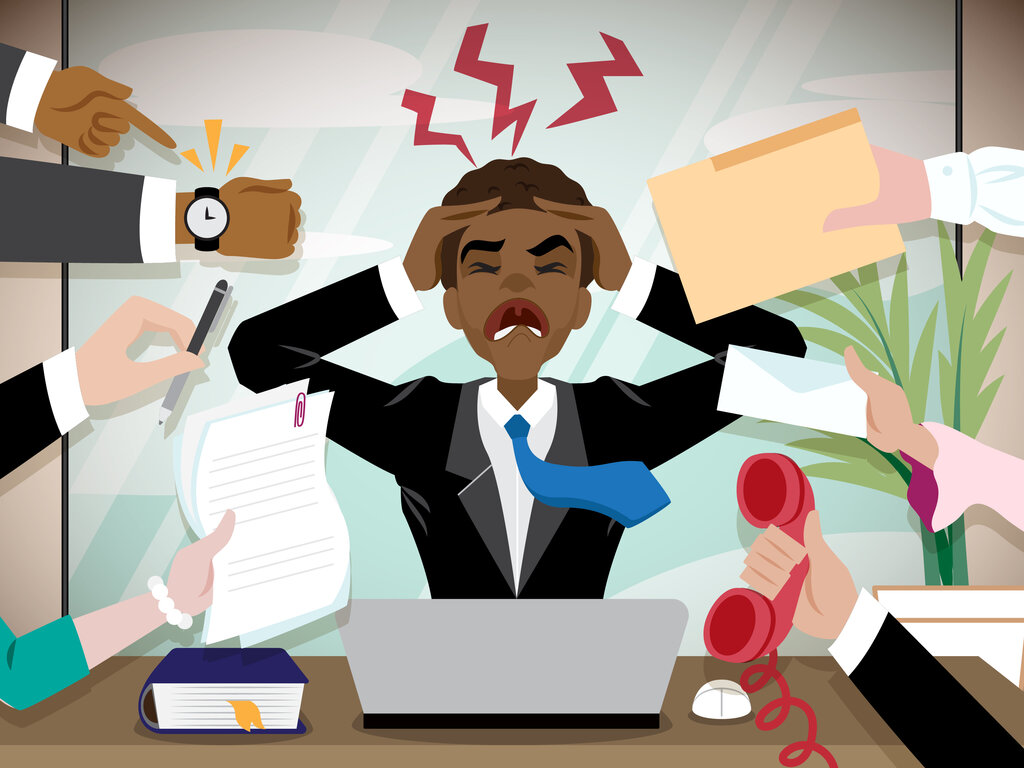
So, how did we get here? A few key factors are at play. First, there's the "always-on" work culture. With smartphones, we carry our offices in our pockets, making it easy to send and receive emails 24/7. There's often an unspoken expectation to reply instantly, blurring the lines between work and personal time.
Second, sending an email is free and effortless. This encourages people to send messages for things that might be better handled with a quick call or chat. Think about all the "cc's" and "reply-alls" on messages that don't directly concern you. Each one adds to the digital noise.
More Than Just an Annoyance
An overflowing inbox does more than just clutter your screen; it clutters your mind. Constantly seeing a high number of unread emails can trigger a stress response. This feeling is rooted in what psychologists call cognitive overload—when our brains receive more information than they can process effectively.
An overstuffed email inbox can cause a lot of stress, and if our unread emails continue to pile up, the anxiety will, too.
This mental strain directly impacts our ability to get work done. Research consistently shows that the average office worker spends over two hours a day just on email. That's more than a quarter of the workday spent reacting to messages instead of focusing on deep, productive work. The constant notifications pull our attention away from important tasks, and it can take several minutes to regain focus after each interruption.
| Productivity Killer | How It Works |
|---|---|
| Constant Interruptions | Each notification breaks your concentration, forcing a mental restart. |
| Task Switching | Jumping between your work and your inbox drains mental energy. |
| Decision Fatigue | Every email requires a decision: reply, delete, archive, or defer. |
| Buried Priorities | Important tasks get lost in a sea of low-priority messages and junk. |
A Universal Challenge
Consider a project manager named Alex. On Monday morning, Alex opens an inbox with 150 new emails. Buried somewhere in that pile is a critical update from a key supplier about a shipping delay. But it's lost among newsletters, meeting invites for irrelevant topics, and long "reply-all" chains.
By the time Alex finds the crucial email on Tuesday afternoon, it's too late to adjust the project timeline without significant costs. This isn't a story about a disorganized employee; it's a story about a broken system. Email overload isn't a personal failing. It's a systemic problem that affects nearly everyone in the modern workplace.

Understanding that email overload is a real and widespread issue is the first step toward reclaiming your focus and reducing work-related stress. It allows us to stop blaming ourselves and start looking for better ways to manage this essential, but often overwhelming, communication tool.