Mastering Zero Inbox
Understanding Email Overload
The Constant Ping
That little notification sound. The unread count ticking up. We've all felt it: the subtle but persistent pressure of an overflowing email inbox. This isn't just a feeling; it's a phenomenon called email overload. It’s the point where the volume of emails you receive becomes a source of stress and hinders your ability to get things done.
The average professional receives over 120 emails per day. When a significant portion of those requires a response or action, your inbox transforms from a communication tool into a demanding, never-ending to-do list. This constant influx creates a sense of being perpetually behind, no matter how quickly you try to clear it.
How Did We Get Here?
Email overload doesn't happen by accident. It’s a byproduct of modern work culture and a few common habits. One of the biggest culprits is the misuse of the 'CC' field. Being copied on emails that don't directly require your input adds to the noise, forcing you to spend time reading and sorting messages that aren't relevant to your core tasks.
Another major cause is using email for the wrong purpose. Complex project discussions, quick questions, or brainstorming sessions that would be better handled in a chat app or a meeting often turn into long, confusing email chains. Each reply adds another message to everyone's inbox, burying important information under a mountain of back-and-forth conversation.
Finally, there's the flood of automated notifications, newsletters, and promotional materials. While some are useful, many are simply digital junk mail that we signed up for long ago and now ignore, letting them pile up and add to the clutter.
An inbox filled with irrelevant messages is like trying to find a specific tool in a messy workshop. You know it’s in there somewhere, but the search wastes valuable time and energy.
The Real Cost of Clutter
The impact of email overload goes far beyond a messy inbox. Psychologically, it contributes to a constant, low-grade stress. The pressure to read, process, and respond to every message can make it difficult to ever truly disconnect from work, leading to anxiety and burnout.
From a productivity standpoint, the damage is even clearer. Every time you switch from a task to check an email, you lose your focus. It can take several minutes to get back into a state of deep work after even a brief interruption. When you multiply that by dozens of email checks throughout the day, the lost time adds up significantly. Important tasks get missed, deadlines are threatened, and the quality of your work can suffer, all because your attention is being constantly fragmented.
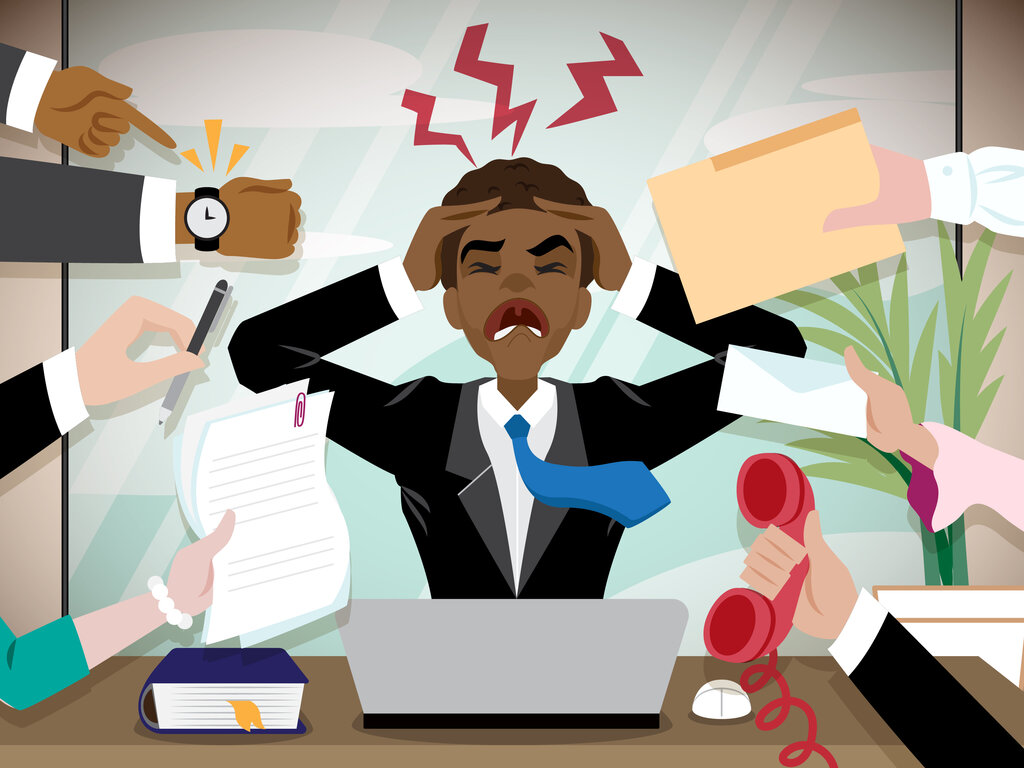
An overstuffed email inbox can cause a lot of stress, and if our unread emails continue to pile up, the anxiety will, too.
Recognizing the problem is the first step. By understanding what email overload is and where it comes from, you can begin to see a path toward managing it. The goal isn't just to have fewer emails; it's to reclaim your focus and reduce the mental weight of a perpetually full inbox.