Mastering Zero Inbox
Understanding Email Overload
The Weight of Your Inbox
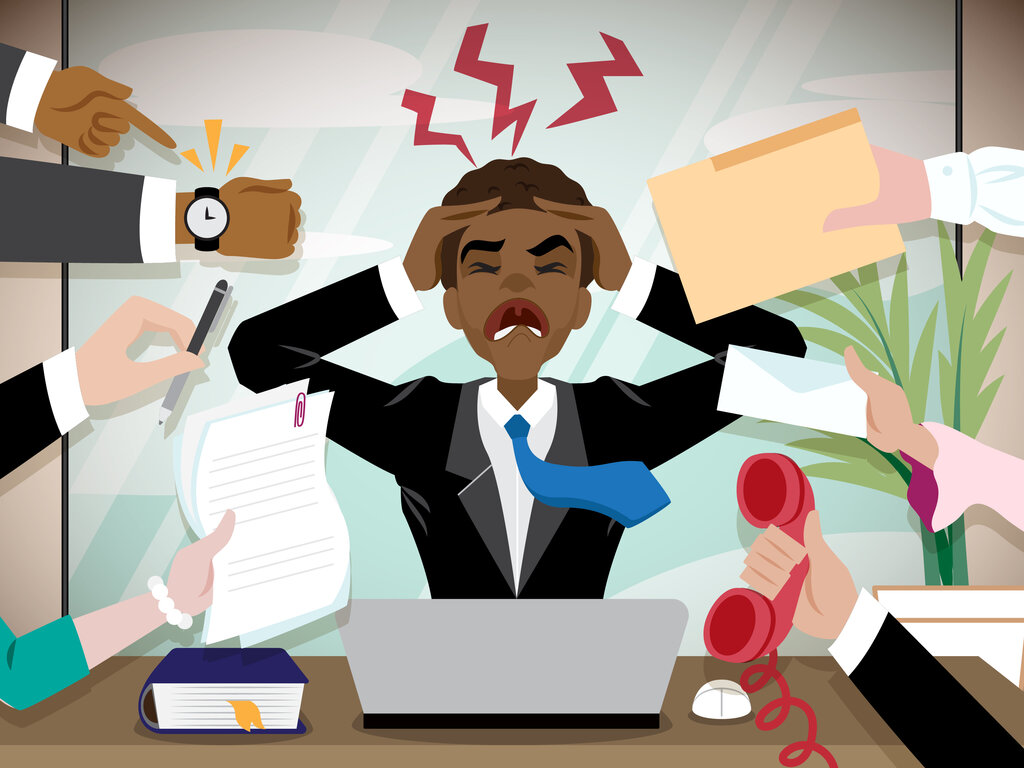
Your email inbox often feels less like a communication tool and more like a relentless to-do list created by other people. Every new message is another demand on your time, another decision to make, another task to track. When the volume becomes too much to handle, you're experiencing email overload.
This isn't just about having a high number of unread messages. It's the feeling of being perpetually behind, unable to keep up with the constant flow of information. The pressure to read, reply, and act on every email can be overwhelming, turning a helpful tool into a source of significant stress.
Why It Piles Up
Several factors contribute to a cluttered inbox. We're often copied on emails that don't require our direct input, creating noise that buries important messages. The line between urgent and non-urgent blurs, and the expectation for an immediate response can make it feel like you can never disconnect.
Furthermore, email is frequently misused. It becomes a repository for files, a chat platform, and a project management system all in one. This misuse crams our inboxes with conversations and tasks that would be better handled with other tools. Each notification is a small interruption, pulling your focus from meaningful work.
This constant switching between your work and your inbox makes deep, concentrated effort nearly impossible. You're always reacting, never truly directing your own attention.
More Than a Messy Inbox
The consequences of email overload extend beyond simple disorganization. On a professional level, it kills productivity. Every time you check your email, you engage in "context switching," forcing your brain to change gears. It takes time and mental energy to refocus on your original task, leading to a day filled with shallow work instead of deep progress.
An overstuffed email inbox can cause a lot of stress, and if our unread emails continue to pile up, the anxiety will, too.
Psychologically, an unmanaged inbox is a constant, visible reminder of all the things you haven't done. This can create a persistent, low-grade anxiety and the feeling that you're always falling short. Over time, this contributes to decision fatigue and can eventually lead to burnout, where you feel exhausted and disconnected from your work.
Recognizing email overload as a genuine obstacle to productivity and well-being is the first step. To reclaim your focus and reduce stress, you need a conscious approach to managing your digital communication.
What is the primary characteristic of email overload?
The mental effort required to switch from one task to another, like from a project to your inbox, is known as ______.
With a clear picture of the problem, you're now ready to explore the solutions.