Mastering Your Third Brain
Introduction to the Third Brain Concept
What Is a Third Brain?
The term 'third brain' doesn't refer to a new part of your anatomy. It’s a metaphor for an external system you create to store, organize, and connect your knowledge and ideas. Think of it as a personal, digital extension of your own mind.
Our biological brains are incredible at thinking, creating, and solving problems. They are not, however, perfect filing cabinets. We live in an age of constant information flow, from articles and podcasts to random shower thoughts. Trying to hold all of this in your head is a recipe for stress and mental clutter.
The core idea is simple: offload the task of remembering. By creating a reliable external system, you free up your biological brain to do what it does best—think.
This isn't a new concept. For centuries, great thinkers kept 'commonplace books' to jot down quotes, ideas, and observations. The third brain is the modern evolution of this practice, supercharged by digital tools. It's a single, trusted place for everything you want to remember or think about later.
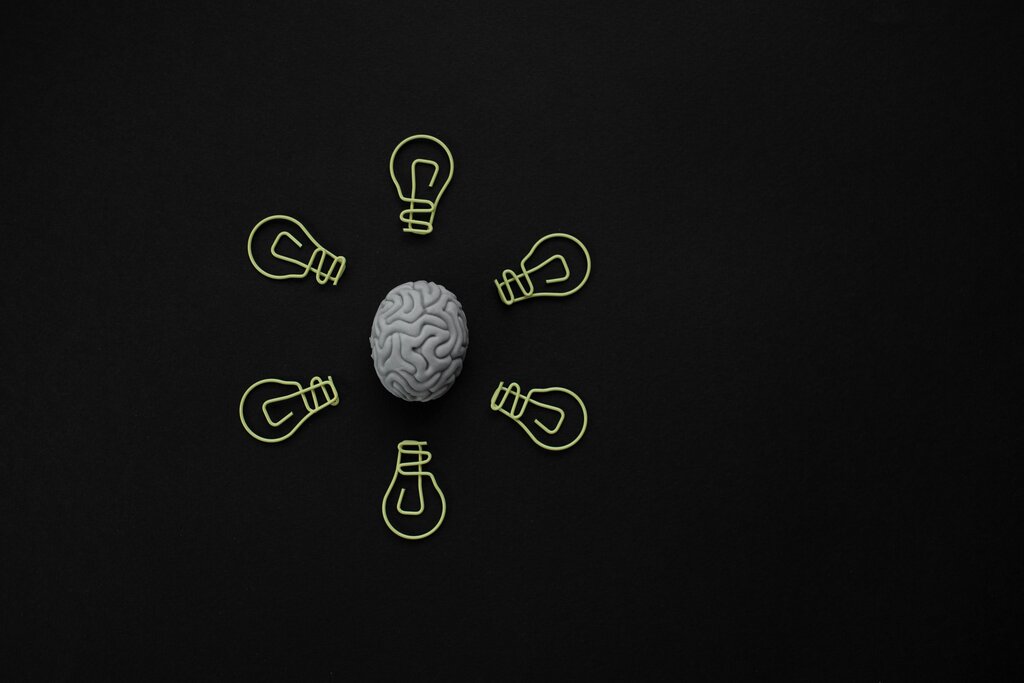
Benefits of Externalizing Thought
Building a third brain offers immediate and long-term advantages. The most significant benefit is reducing cognitive load. When you stop using your brain as a storage device, you liberate mental energy for more important tasks like creative thinking, problem-solving, and being present in the moment.
It also helps you combat the fear of losing a good idea. We’ve all had a brilliant thought only to forget it moments later. By capturing it immediately in your external system, the idea is safe. You can relax, knowing it’s there when you need it.
Over time, your third brain becomes an invaluable personal knowledge base. It allows you to see connections between ideas you might have captured weeks, months, or even years apart. This cross-pollination of thoughts is a powerful catalyst for insight and creativity. Instead of your ideas being isolated in your memory, they are in a system where they can interact, build on each other, and grow.
Ultimately, a third brain improves organization and efficiency. You spend less time searching for information and more time using it. It transforms scattered notes and fleeting thoughts into a coherent, searchable, and productive resource.
Ready to check your understanding?
What is the "third brain" primarily a metaphor for?
According to the text, what is the most significant immediate advantage of building a third brain?
This approach isn't about finding the perfect tool, but about building the habit of externalizing your thoughts. The goal is to create a system that works for you, helping you think better and feel more in control of your information.