Mastering Your Thesis
Understanding Thesis Fundamentals
The Purpose of a Thesis
An academic thesis is more than just a long paper. It's your entry into a scholarly conversation that has been going on for years, sometimes centuries. Think of it as your chance to say, "Here's what we know, and here's my new contribution."
Its main purpose is to present an original argument or piece of research. You aren't just summarizing what others have said. You are using evidence to build a unique case, prove a new point, or offer a fresh perspective on an old problem. This contribution is the heart of your thesis. It's how you add a new brick to the wall of human knowledge.
It retains a focus on the fundamentals: writers need to have a strong research question, construct an evidence-based argument, cite their sources, and structure their work in a logical way.
The significance of a thesis lies in demonstrating your expertise. By completing it, you prove you can conduct independent research, think critically, and communicate complex ideas clearly. It's the capstone of your academic journey, showcasing the skills you've developed.
The Anatomy of a Thesis
While the exact format can vary by field, most theses follow a standard structure. This predictable framework helps readers understand your research and how you arrived at your conclusions. Each section has a specific job to do.
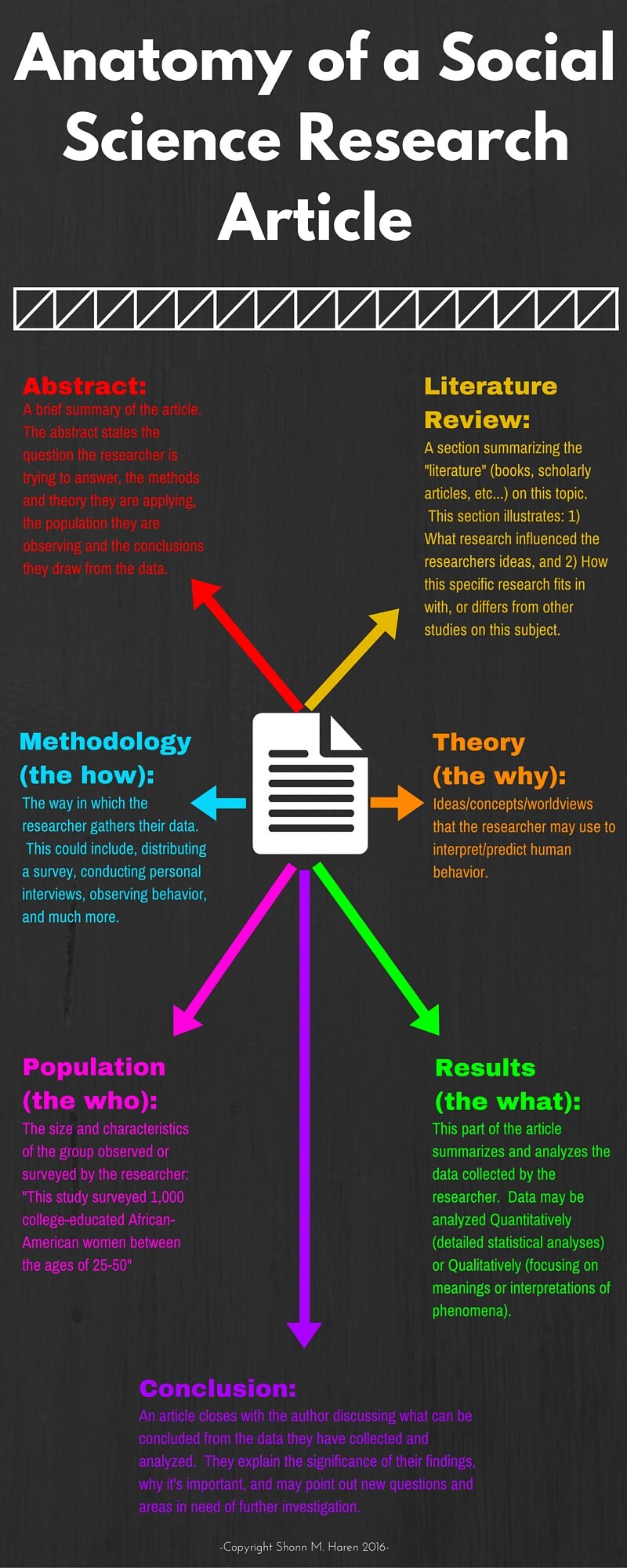
Here's a breakdown of the typical sections and their roles.
| Section | Purpose |
|---|---|
| Introduction | Sets the stage. It introduces the topic, explains its importance, and presents your thesis statement and research question. |
| Literature Review | Shows what the scholarly conversation has already said about your topic. It identifies gaps in existing research that your work will fill. |
| Methodology | Explains how you conducted your research. What steps did you take? What data did you collect, and how did you analyze it? |
| Results | Presents the findings of your research. This section is purely factual and objective, stating what you discovered without interpretation. |
| Discussion | Interprets the results. What do your findings mean? How do they answer your research question and contribute to the field? |
| Conclusion | Summarizes your key findings and arguments. It restates your thesis and often suggests directions for future research. |
Your Guiding Question
Everything in your thesis orbits around a single, powerful element: the research question. This question is the engine that drives your entire project. It's not a broad topic like "climate change," but a specific, focused inquiry like, "How does the retreat of Arctic sea ice affect polar bear migration patterns in the Barents Sea?"
A well-formed research question acts as your guide. It keeps your research focused, prevents you from getting lost in irrelevant details, and provides a clear goal for your work. Every chapter, every paragraph, and every piece of evidence should, in some way, help to answer this central question.
A good research question is specific, arguable, and researchable. It's not a question with a simple yes/no answer, but one that requires deep investigation and analysis to answer thoroughly.
Choosing this question is one of the most critical steps in the entire thesis process. It defines the scope of your project and sets the foundation for the argument you will build.
What is the primary purpose of an academic thesis?
The text describes a thesis as adding a 'new brick to the wall of ______.'
Understanding these fundamentals provides the blueprint you need to begin your own scholarly work.