Mastering Your Student Budget
Understanding Income and Expenses
Where Does Your Money Come From?
Before you can plan how to spend your money, you need to know how much you have. This is your income. For a student, money might not come from a single paycheck, but from several different places.
Common sources of income in college include:
- Part-time jobs: Money earned from working on or off campus.
- Parental support: Regular allowances or contributions from your family.
- Scholarships and grants: Financial awards that don't need to be repaid.
- Student loan refunds: Money left over from student loans after tuition and fees are paid.
- Savings: Money you put away before starting school.
Start by identifying all your sources of income, including part-time jobs, financial aid, scholarships or support from family.
Where Does Your Money Go?
Once you have a handle on your income, the next step is to track where it goes. These are your expenses. Some costs are obvious, like tuition, but smaller, everyday purchases can add up quickly. Understanding all your expenses is crucial for making a budget that works.
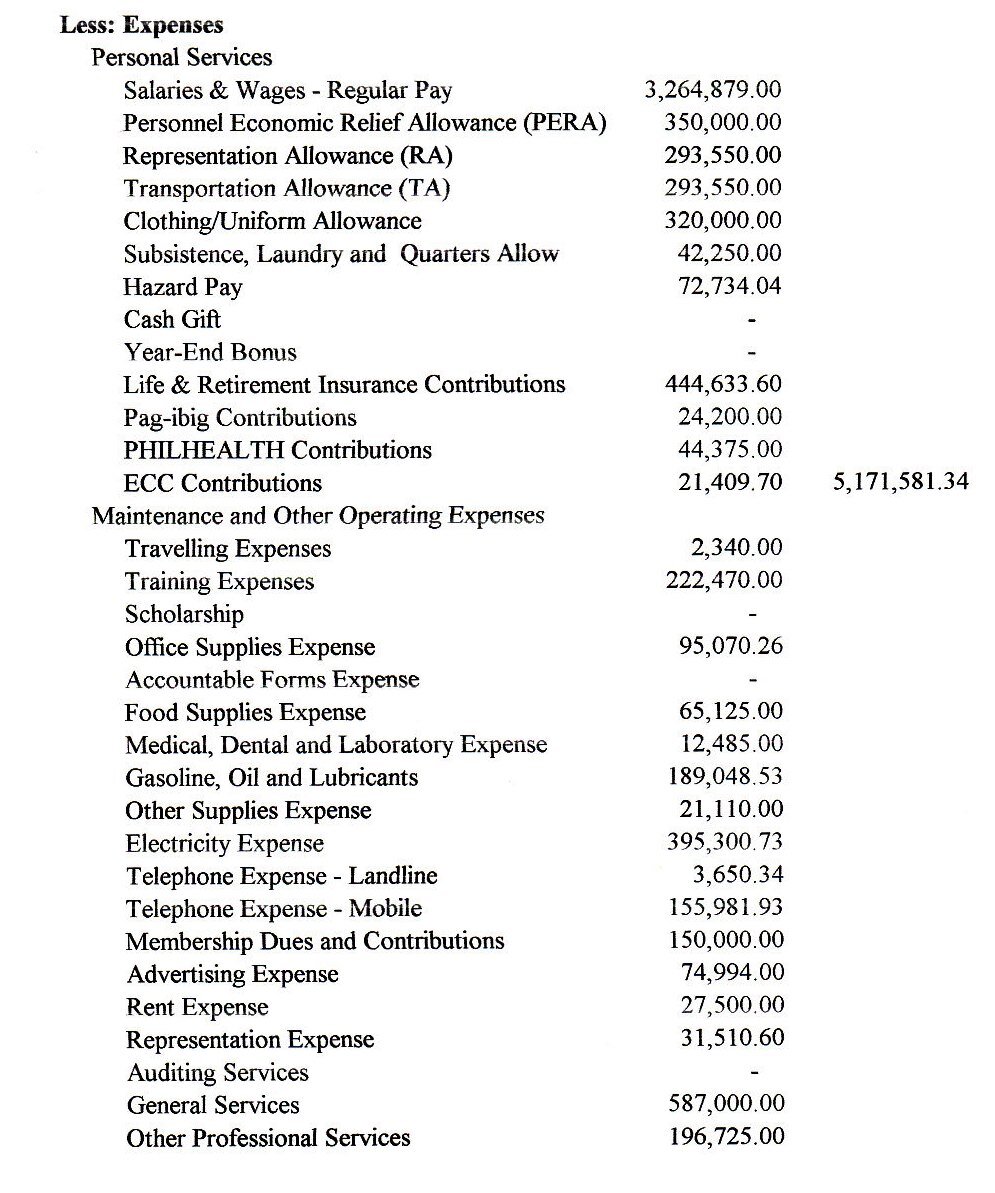
The key to managing expenses is to split them into two categories: fixed and variable.
Fixed vs. Variable Expenses
Fixed expenses are costs that stay the same every month or semester. They are predictable and usually have a set due date. Because they don't change, they are the easiest part of your budget to plan for.
Think of fixed expenses as the foundation of your budget. They are the predictable costs you must cover.
Examples include:
- Tuition and fees
- Rent or dorm payments
- Car payment or insurance
- Recurring subscriptions (like a streaming service or gym membership)
Variable expenses, on the other hand, change from month to month. These are the costs you have more control over. How much you spend on groceries, for example, depends on whether you cook at home or eat out. These costs require more attention because they can fluctuate.
Examples include:
- Groceries and dining out
- Utilities (if they change based on usage)
- Transportation (gas, public transit)
- Textbooks and school supplies
- Entertainment and shopping
| Expense Type | Description | Examples |
|---|---|---|
| Fixed | Stays the same each pay period. | Tuition, Rent, Insurance |
| Variable | Changes based on your choices. | Groceries, Entertainment, Gas |
Distinguishing between these two types of expenses is the first step toward creating a realistic budget. It helps you see where your money must go and where you have room to make choices.
Time to check your understanding.
Which of the following best describes 'income' for a college student?
Your monthly payment for a streaming service subscription is an example of a ______ expense.
Now that you can identify and categorize your income and expenses, you're ready to start putting the pieces together to build a full budget.