Mastering Your Student Budget
Understanding Student Expenses
The Two Types of College Costs
When you think about paying for college, tuition is probably the first thing that comes to mind. But the total cost of school is much bigger than that one number. All your expenses fall into two basic categories: fixed and variable.
Fixed costs are predictable expenses that stay the same month after month. Think of them as your financial bedrock. Variable costs are the ones that change depending on your habits and choices. Understanding the difference is the first step to getting a handle on your finances.
Fixed Costs: The Predictable Bills
Fixed costs are the big, recurring bills that are easy to plan for because you know exactly how much they'll be and when they're due. These are the non-negotiables of your college life.
Tuition
noun
The charge or fee for instruction at a private school or a college or university.
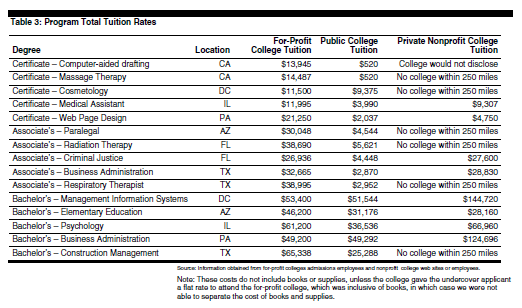
The main fixed cost is your tuition and fees. This is the price you pay for your classes, and it’s usually charged per semester or quarter. It can vary wildly depending on the school, but the amount is set in advance.
Next up is housing. If you live in a dorm, your room and board is a fixed cost for the semester. If you're off-campus, your monthly rent is a fixed cost. You sign a lease agreeing to pay the same amount every month. Basic utilities like internet or electricity can also be fixed costs, especially if you're on a budget plan or they're included in your rent.
Finally, don't forget insurance. This could be health insurance (if you're not on your parents' plan), car insurance if you have a vehicle on campus, or renter's insurance for your apartment. These are typically paid in regular, predictable installments.
Fixed costs form the foundation of your spending plan. They're the large, regular expenses you must cover every month or semester.
Variable Costs: The Everyday Choices
Variable costs are where your daily decisions have the biggest impact. These expenses fluctuate from week to week and month to month based on your lifestyle.
Food is a major variable expense, unless you have a fixed meal plan. How much you spend depends on whether you cook for yourself, eat out, or grab coffee every morning. One week you might spend $50 on groceries, and the next you might spend $100 if you go out with friends more often.
Transportation costs also change. Do you take the bus, use a ride-sharing app, or fill up your car's gas tank? Your spending will depend on how often you travel and how you get there.
Then, list all of your expenses, separating them into fixed costs like rent, tuition and utilities, and variable costs like food, entertainment and transportation.
Entertainment is another classic variable cost. This includes everything from movie tickets and concert passes to subscriptions for streaming services and nights out. It's the category where you have the most control.
Finally, there are miscellaneous expenses that pop up. This includes school supplies like textbooks and notebooks, personal items like toiletries, and clothes. These costs aren't the same every month, making them variable.
| Category | Fixed or Variable? | Examples |
|---|---|---|
| Tuition & Fees | Fixed | Cost per credit, student activity fees |
| Housing | Fixed | Dorm payments, monthly rent |
| Utilities | Both | Internet (often fixed), electricity (often variable) |
| Food | Variable | Groceries, dining out, coffee |
| Transportation | Variable | Gas, bus fare, ride-sharing |
| Entertainment | Variable | Movies, concerts, subscriptions |
| School Supplies | Variable | Textbooks, notebooks, pens |
| Personal Items | Variable | Toiletries, clothing, laundry |
Now that you can tell the difference between these costs, let's test your knowledge.
What is the key difference between fixed and variable costs for a college student?
Which of the following is an example of a variable cost?