Mastering Your Student Budget
Understanding College Expenses
More Than Just Tuition
When you think about the cost of college, the first thing that probably comes to mind is tuition. This is the core price you pay for your classes. But the total cost of attendance is much broader. It includes several direct costs, which are expenses paid straight to the university.
Direct costs typically include tuition, fees, and on-campus housing and meal plans.
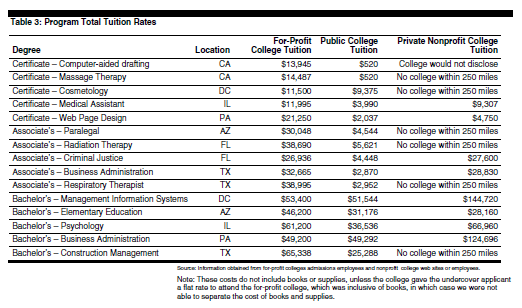
Tuition is the charge for academic instruction. It can vary dramatically depending on the type of school—public, private, or for-profit. On top of tuition, universities charge various fees. These can cover everything from library access and gym use to student activities and technology services. Sometimes these fees are bundled together, but they can add a significant amount to your bill.
Next up are housing and meal plans, often called "room and board." If you live in a dormitory, you'll pay the university for your room. Most schools also require students living on campus to purchase a meal plan, which provides a set number of meals per week at the dining halls. The costs for these can differ based on the type of dorm room and the number of meals in your plan.
Indirect and Hidden Costs
Beyond the bills you pay directly to the school, there are other essential expenses to consider. These are called indirect costs because they don't appear on your university bill, but they are still a necessary part of being a student.
Student loans are intended to pay for college, but education costs include more than tuition.
Textbooks and supplies are a major indirect cost. Depending on your field of study, you could spend hundreds or even thousands of dollars each year on books, notebooks, lab equipment, and specific software. Another category is personal expenses. This includes everything from laundry and toiletries to clothes and entertainment. Finally, you'll need to account for transportation. This could be the cost of a bus pass, gas and parking for a car, or flights home during breaks.

Why Costs Vary
The total cost of college isn't the same for everyone, even at the same school. One of the biggest factors is your residency status. Public universities are funded by state taxes, so they offer a much lower tuition rate to students who are residents of that state. Out-of-state students pay a higher price because their families haven't contributed to the state's tax base.
The difference between in-state and out-of-state tuition can be tens of thousands of dollars per year.
Your living arrangements also play a huge role. Living on campus is often a popular choice for first-year students, but it can be more expensive than living off-campus with roommates. On the other hand, living at home with family can significantly reduce costs for room and board, though it might increase transportation expenses.
The Cost of Lost Time
There's one final cost that doesn't show up on any bill: opportunity cost. This is the value of the next-best alternative you give up when you make a choice. By choosing to attend college full-time, you're likely giving up the opportunity to work a full-time job and earn a salary. This foregone income is a real, though invisible, cost of your education.
Opportunity Cost
noun
The potential benefits an individual misses out on when choosing one alternative over another.
Understanding all these different expenses—from direct tuition payments to the indirect cost of transportation and the invisible opportunity cost of lost wages—is the first step toward making informed decisions about your college journey.