Mastering Your Student Budget
Understanding College Expenses
The Price Beyond the Brochure
When you think about the cost of college, the first number that comes to mind is probably tuition. But the total price of a degree goes far beyond that single figure. To get a realistic picture of what you'll spend, you need to look at a whole range of expenses, some obvious and some easy to overlook.
Direct College Costs
Certain costs are paid directly to the institution. These are the most straightforward expenses to plan for because the college tells you exactly what you owe.
Tuition is the core price for your classes and instruction. It's the cost of earning your academic credits. Then there are fees. These mandatory charges cover a wide array of campus services and amenities outside the classroom. Think student government, campus security, health services, and access to the library, gym, and computer labs. While tuition pays for your education, fees pay for the experience and infrastructure that support it.
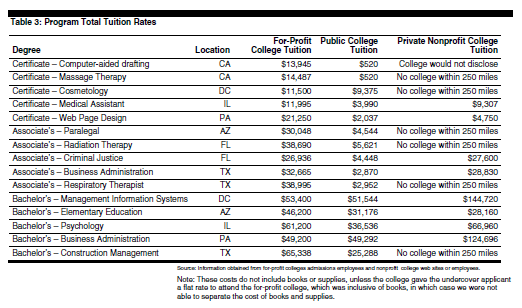
If you live on campus, your other major direct costs will be housing and a meal plan. The price for housing, or room and board, depends on the type of dorm and the number of roommates. Meal plans also come in tiers, from a plan that covers every meal at the dining hall to one that just provides a set number of swipes per week.
Indirect and Personal Expenses
Indirect costs are just as necessary, but you don't pay them to the college bursar's office. This is where budgeting can get tricky, as these expenses vary from person to person.
First up are books and supplies. Textbooks, notebooks, lab equipment, and specific software can add up quickly. The cost can be a surprise, sometimes reaching hundreds of dollars per semester. Then there’s transportation. Whether it's gas and a campus parking permit, bus fare, or flights home for the holidays, you need to account for how you'll get around.

Finally, there are all the personal expenses that make up daily life. This broad category includes everything from your phone bill and laundry to toiletries, clothes, and grabbing coffee with friends. It also covers entertainment, like movie tickets or club memberships. These small, frequent purchases can have a big impact on your overall spending.
Direct costs like tuition are billed by the college. Indirect costs, like books and transportation, are expenses you manage on your own.
Planning for the Unexpected
Life doesn't always go according to plan. A laptop might break, you might need an emergency trip home, or you could face an unexpected medical co-pay. These unexpected costs can throw a wrench in any budget.
While you can't predict exactly what will happen, you can plan for the possibility. Having a small emergency fund or building a little extra cushion into your budget can make a huge difference. It provides a safety net that prevents a minor crisis from turning into a major financial problem. Being aware that surprises can and do happen is the first step in being prepared for them.
Which of the following is considered a direct cost paid to the college institution?
Mandatory charges for services like the campus gym, library access, and student health services fall under which category?
Recognizing all these different types of costs is the first step toward building a realistic financial plan for college. By understanding the full picture, you can better prepare for the investment in your education.