Mastering Your Schedule with Time Blocking
Understanding Time Blocking
What Is Time Blocking?
Instead of a long, overwhelming to-do list, imagine your day as a series of appointments. Each appointment is with a specific task. That's the core idea behind time blocking. You're not just listing what you need to do; you're deciding exactly when you'll do it.
Time blocking is a time management method where you divide your day into blocks of time, each dedicated to a specific task or group of tasks.
This method isn't new. In the 18th century, Benjamin Franklin famously structured his days with questions like, "What good shall I do this day?" followed by a detailed schedule. He allocated specific hours to work, read, and reflect. While the tools have changed from paper journals to digital calendars, the principle remains the same: treat your time as a finite resource and plan its use intentionally.
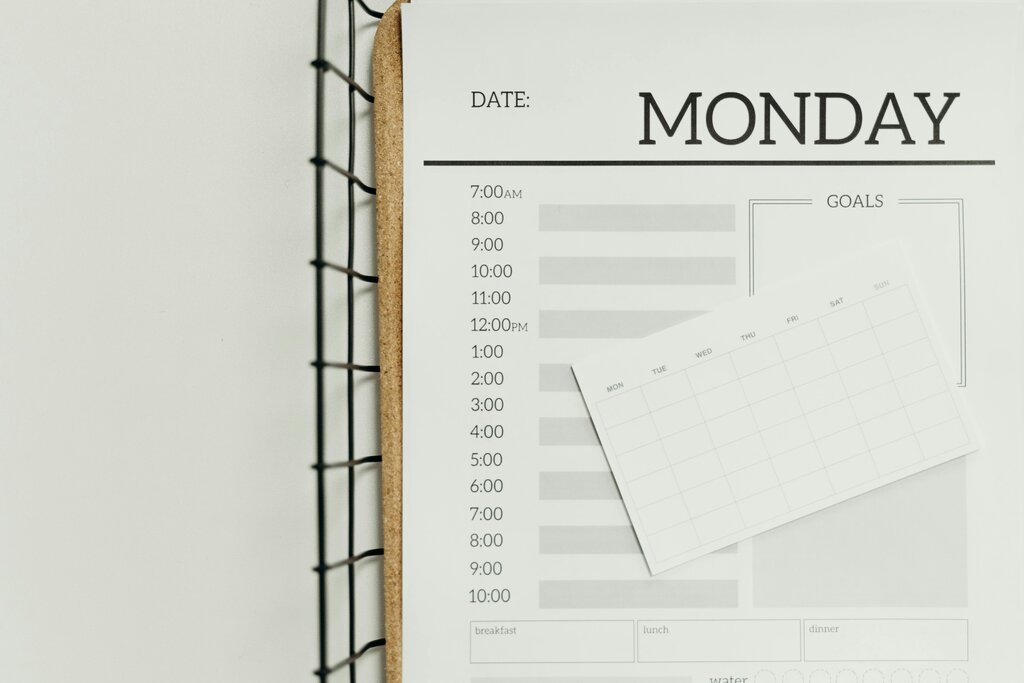
Time Blocking vs. To-Do Lists
A traditional to-do list is a great starting point. It captures all your tasks in one place. But it has a weakness: it doesn't account for time. A list with ten items gives no indication of whether they will take ten minutes or ten hours to complete. This can lead to a false sense of what's achievable in a day.
Time blocking bridges that gap. It forces you to confront the reality of how much time you actually have and to make realistic choices about how to spend it. It's the difference between having a grocery list and having a detailed recipe with cooking times.
A standard to-do list tells you what you need to do. Time blocking tells you when you're going to do it.
Another common approach is multitasking, which involves juggling several tasks at once. Research shows that our brains aren't built for this. When we switch between tasks, we lose focus and energy in the transition. This "context switching" makes us less efficient. Time blocking is the antidote. By dedicating a solid chunk of time to a single task, you can achieve a state of deep work, leading to higher quality results in less time.
The Benefits of Blocking
The most immediate benefit of time blocking is a dramatic increase in focus. When you know you have from 9 AM to 10 AM dedicated solely to writing a report, you're less likely to get sidetracked by emails or social media. You've made an appointment with your work, and you're more likely to honor it.
This structured approach also helps combat procrastination. A vague task like "work on presentation" is easy to put off. But a specific block on your calendar, "1 PM - 2:30 PM: Draft slides 1-5 for project presentation," is a concrete commitment that's much harder to ignore.
Finally, time blocking improves well-being by ensuring you make time for what matters outside of work. You can block time for exercise, hobbies, family, and rest. This prevents work from expanding to fill all available hours and helps create a more balanced, intentional life.

By planning your day in advance, you reduce decision fatigue. Instead of constantly wondering what to work on next, you can simply consult your schedule and get started. This frees up mental energy for the tasks themselves.
What is the core idea behind the time blocking method?
According to the principles of time blocking, a traditional to-do list's main weakness is that it fails to account for _________.