Mastering Your Personal Energy and Attention
Understanding Personal Energy
What Is Personal Energy?
Think of your personal energy like your phone's battery. You start the day with a full charge, and everything you do—from working on a project to worrying about a deadline—drains it. If you don't recharge, you'll eventually run out of power. But unlike a simple battery, our energy isn't just one-dimensional. It's a combination of different sources that work together to fuel our ability to get things done.
Personal energy is your capacity to perform, both in your professional and personal life. It's the fuel for your focus, creativity, and resilience. Managing your time is important, but if you don't have the energy to do the work, a perfectly planned schedule is useless. The key to high performance isn't working longer hours; it's learning to manage this precious, finite resource.
The Four Dimensions of Energy
To effectively manage your energy, you first need to understand where it comes from. Our personal energy pool is fed by four distinct, but interconnected, sources: physical, mental, emotional, and spiritual. When one is low, it tends to drain the others.
Physical Energy is the foundation. It’s about how your body feels. This energy is generated from proper sleep, nutrition, and exercise. Without physical energy, it's difficult to access the other dimensions. Think about how hard it is to concentrate or stay positive when you're exhausted.
Emotional Energy relates to the quality of your feelings. Positive emotions like joy, gratitude, and enthusiasm act as energy boosters. Negative emotions like frustration, anger, and anxiety are major drains. Managing your emotional energy means cultivating positive feelings and developing resilience to negative ones.
Mental Energy is your ability to focus, think clearly, and be creative. It's the energy you use for problem-solving and decision-making. Multitasking, constant interruptions, and information overload can quickly deplete your mental reserves, leaving you feeling scattered and unproductive.
Spiritual Energy is tied to your sense of purpose, values, and meaning. It's the energy you get from doing work that feels important and aligns with what you believe in. When you're disconnected from this source, you might feel a lack of passion or motivation, even if your other energy levels are high.
When Your Tank Is Empty
Ignoring your energy levels has serious consequences. Pushing yourself when you're drained doesn't lead to better results—it leads to burnout. This state of chronic exhaustion affects every part of your life.
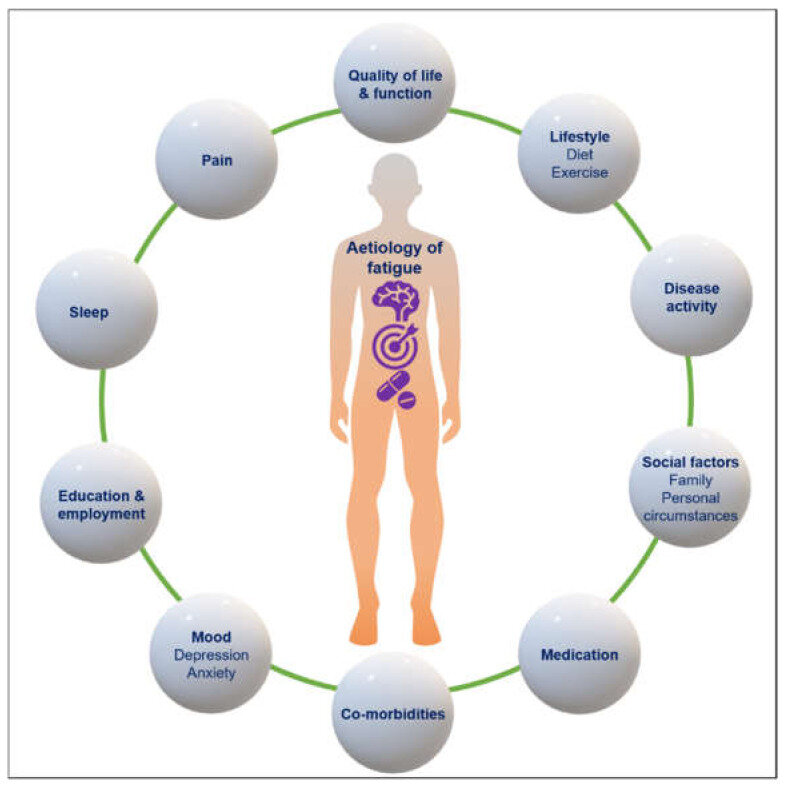
When your energy is depleted, your performance suffers. You make more mistakes, your decision-making becomes clouded, and your creativity vanishes. It also impacts your relationships. Low energy can make you irritable, impatient, and disengaged with colleagues, friends, and family. You simply don't have the capacity to show up as your best self.
Signs of energy depletion include difficulty concentrating, persistent negativity, lack of motivation, and feeling overwhelmed by everyday tasks.
The Payoff of Managing Your Energy
The good news is that you have control over your energy. By learning to manage it effectively, you can unlock a higher level of performance and well-being. It's not about avoiding challenges; it's about building the capacity to meet them head-on.
Cultivating your energy is not a luxury or a matter of superficial well-being-it is a strategic choice that directly impacts the quality of your decisions, your productivity, and your ability to inspire those you work with.
Effective energy management allows you to be fully present and engaged in what you're doing. You'll find you can accomplish more in less time, because your focus is sharp and your mind is clear. You become more resilient, bouncing back from setbacks more quickly. Best of all, you'll have more energy left at the end of the day for the people and activities you love.
Ready to test what you've learned about the fundamentals of personal energy?
According to the principles of personal energy management, what are the four distinct sources of energy?
You feel unmotivated and disconnected from your work, even though you are well-rested and focused. Which energy source is most likely depleted?