Mastering Your Personal Diary
Introduction to Journaling
What Is Journaling?
At its heart, journaling is the simple act of writing down your thoughts and feelings. Think of it as a conversation with yourself, a private space to explore ideas, process events, and reflect on your day without judgment. There's no right or wrong way to do it. It’s not about perfect grammar or beautiful handwriting; it’s about honesty and consistency.

You create a personal record of your life, capturing moments, ideas, and emotions. Over time, this record becomes a powerful tool for understanding yourself better. It helps you see patterns in your thinking, track your growth, and appreciate your journey.
The goal is not to create a masterpiece, but to create a habit of self-reflection.
The Benefits of a Journal
Keeping a journal can feel like a small act, but it brings significant rewards. One of the most immediate benefits is mental clarity. Writing thoughts down gets them out of your head, which can reduce stress and quiet a racing mind. It helps you organize your worries and untangle complex feelings, making them seem more manageable.
Journaling also builds self-awareness. By regularly checking in with yourself, you start to understand your emotional triggers, your values, and what truly makes you happy. This self-knowledge is the foundation for personal growth, helping you make more intentional choices in your daily life.
Mindful journaling has been shown to reduce anxiety, help to process difficult emotions, enhance mental clarity, and strengthen emotional regulation over time.
Finally, it's a great tool for tracking progress. Whether you're trying to build a new habit, learn a skill, or work toward a major life goal, a journal serves as a log of your efforts. Looking back at where you started can be incredibly motivating and provide valuable lessons for the future.
Finding Your Style
There are many ways to keep a journal. The best style is the one that you'll stick with. You don't need to commit to just one; feel free to mix and match or create a hybrid that works for you. Here are a few popular starting points:
| Journal Style | What It Is | Best For |
|---|---|---|
| Daily Reflection | Writing about your day, what happened, and how you felt. | Processing events and understanding daily emotions. |
| Gratitude Log | Listing three to five things you're thankful for each day. | Cultivating a positive mindset and appreciating the good. |
| Goal Tracking | Documenting your goals and tracking your progress toward them. | Staying motivated and accountable for your ambitions. |
You might dedicate a whole notebook to one style, or you could simply start each entry by noting what you're grateful for before moving on to your daily reflections. The structure is entirely up to you.
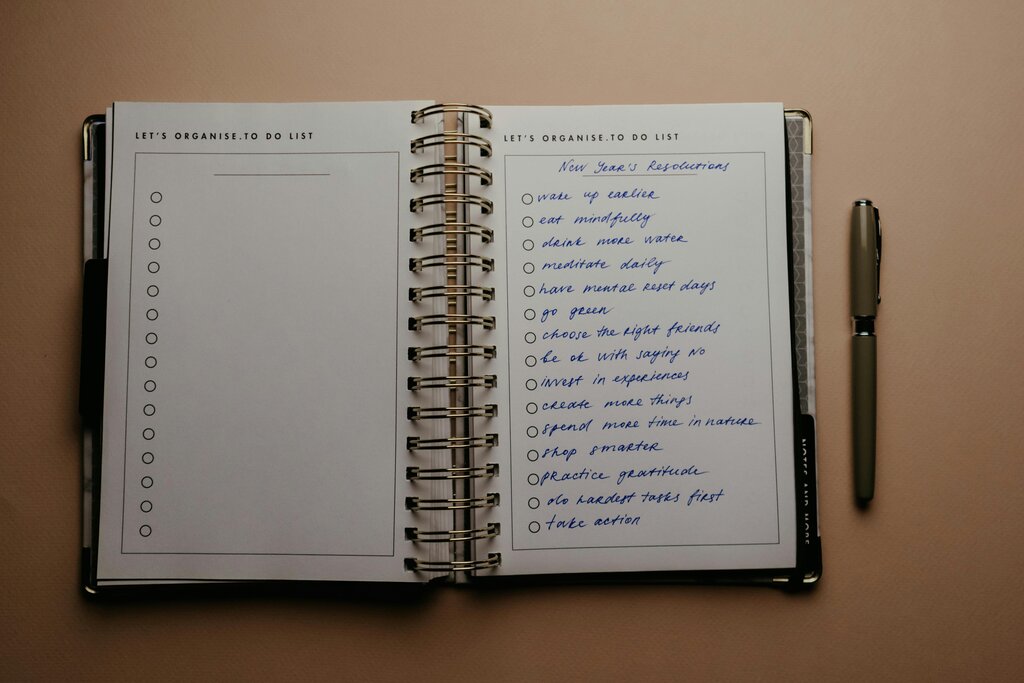
How to Start
Starting a journaling habit is easier than you think. You don't need fancy notebooks or special pens. All you need is something to write with and something to write on.
- Keep it simple. Start with just five minutes a day. A short, consistent practice is more effective than long, infrequent sessions.
- Pick a time. Tie your journaling habit to an existing routine, like your morning coffee or right before you go to sleep. This makes it easier to remember.
- Don't overthink it. Just start writing. If you’re stuck, use a prompt. What was the best part of your day? What's one thing you're worried about? What are you looking forward to?
- Be patient with yourself. Some days you'll have a lot to say, and other days you won't. That's perfectly normal. The key is to just show up.
There is no one right way to journal; find what resonates best with you and adapt these techniques as needed.
Ready to test your knowledge?
What is the primary goal of journaling described in the text?
According to the provided information, one of the main benefits of writing down your thoughts is achieving mental clarity.
By turning journaling into a regular practice, you give yourself a valuable tool for life. It’s a simple habit that offers profound insights and lasting benefits.