Mastering Your Money Relationship with ACRP
Introduction to ACRP
What is ACRP?
The Aetheric Core Resonance Protocol (ACRP) is a therapeutic approach for exploring our deep-seated emotional and psychological relationship with money. It moves beyond budgets and spreadsheets to focus on the underlying energies and patterns that shape our financial lives. Think of it as a way to understand the 'why' behind your financial behaviors, not just the 'what'.
Aetheric Core Resonance Protocol (ACRP)
noun
A therapeutic modality designed to identify, explore, and transform an individual's core emotional and energetic patterns related to wealth, scarcity, and self-worth.
The protocol is built on the idea that our financial reality is a direct reflection of our internal state. By bringing awareness to these inner dynamics, we can begin to heal unproductive patterns and cultivate a healthier, more abundant relationship with money.
Core Principles
ACRP operates on a few key principles that distinguish it from traditional financial counseling. These ideas form the foundation for its therapeutic techniques.
Here's a closer look at these pillars:
-
Financial Energetics: This is the idea that money is not just a physical currency but also carries a specific energy. Our personal beliefs and emotions about money create an 'energetic signature' that influences how it flows into and out of our lives.
-
Emotional Resonance: ACRP explores how our emotional state resonates with different financial situations. For example, feelings of unworthiness might resonate with patterns of debt, while feelings of security might attract stability.
-
Subconscious Patterning: Many of our financial behaviors are driven by subconscious beliefs formed in childhood. These 'money scripts' often operate outside our awareness, dictating our choices about spending, saving, and earning.
-
Somatic Awareness: The body holds financial stress and trauma. ACRP uses somatic (body-based) awareness to help individuals notice where they feel financial tension, such as a tight chest when looking at bills, and release it.
Applying ACRP in Financial Therapy
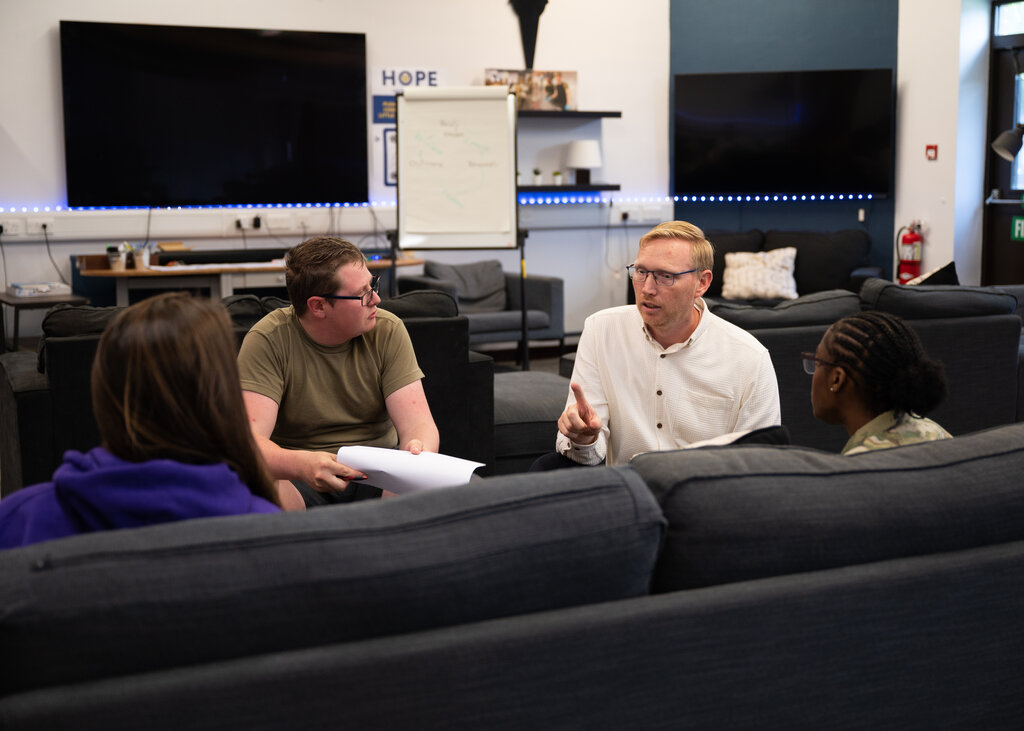
In a therapeutic setting, ACRP is used to guide individuals away from shame and blame toward curiosity and self-compassion. A practitioner helps a client uncover the root causes of their financial struggles by exploring memories, family history, and core beliefs related to money.
Instead of just creating a new budget, a session might involve identifying the feeling that triggers overspending or exploring the ancestral origins of a scarcity mindset. The goal is to heal the relationship with money at its source, allowing for more conscious and empowered financial behavior to emerge naturally.
This approach is particularly effective for those who find that traditional financial advice doesn't stick. If you know what you should be doing with your money but can't bring yourself to do it, ACRP can help bridge the gap between knowledge and action.
ACRP shifts the focus from managing money to understanding the self that manages the money.
The benefits extend beyond just a healthier bank account.
| Benefit | Description |
|---|---|
| Increased Self-Awareness | Understand the deep-seated motivations behind your financial habits. |
| Reduced Financial Anxiety | Alleviate the stress and fear that often accompany money matters. |
| Healing Limiting Beliefs | Transform subconscious blocks related to scarcity, worthiness, and success. |
| Improved Decision-Making | Make financial choices from a place of clarity and alignment, not fear or compulsion. |
By addressing the emotional core of our financial lives, ACRP offers a path to lasting change and a genuine sense of financial well-being.
What is the primary focus of the Aetheric Core Resonance Protocol (ACRP)?
A person feels a tightness in their chest whenever they open their bank app. An ACRP practitioner would likely guide them to explore this sensation as part of which core principle?
This overview provides the foundation for understanding the Aetheric Core Resonance Protocol. In the next sections, we will explore specific techniques and case studies.